
Last updated September 23, 2026
Free visual inspection and a written scope of work before any mitigation begins - photos, moisture readings, and drying logs go in your claim file
The scope we write is the scope we bill. Anything new gets shown to you, in writing, before we touch it.
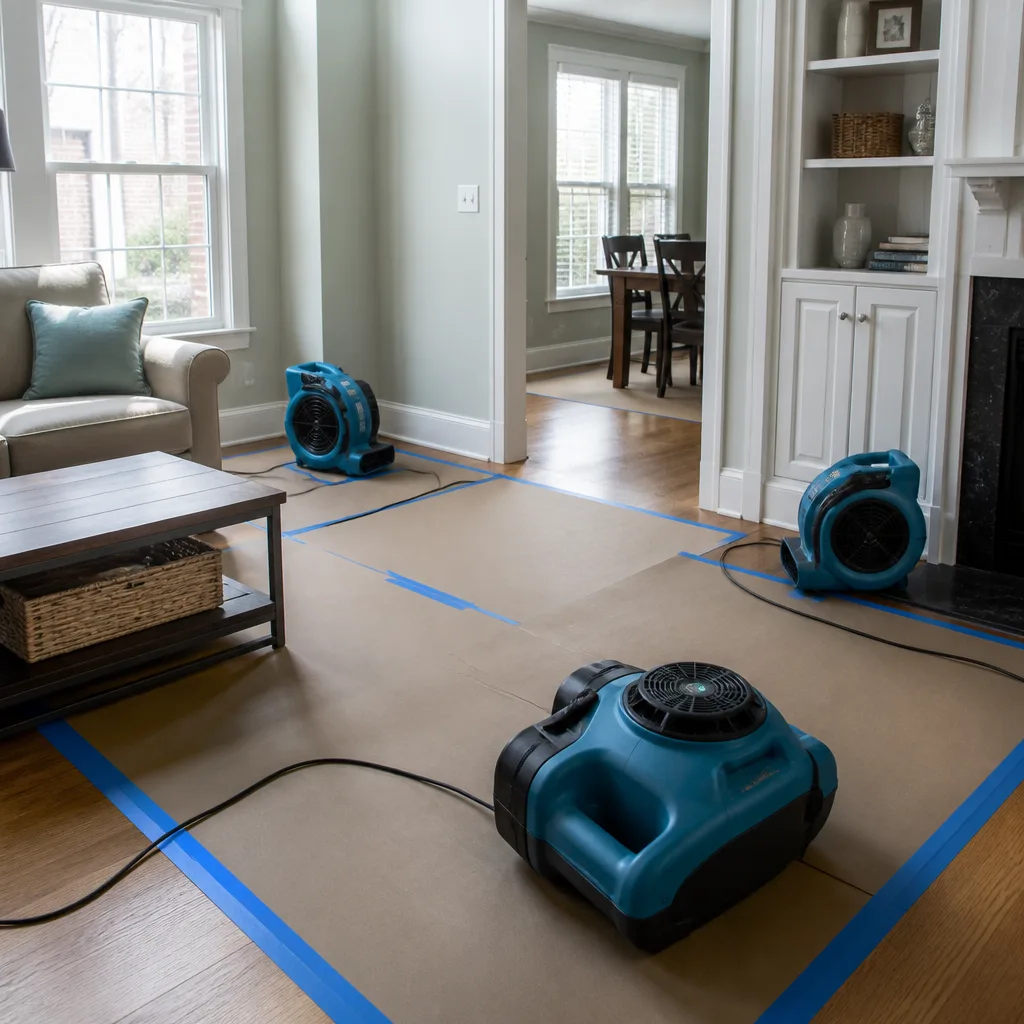
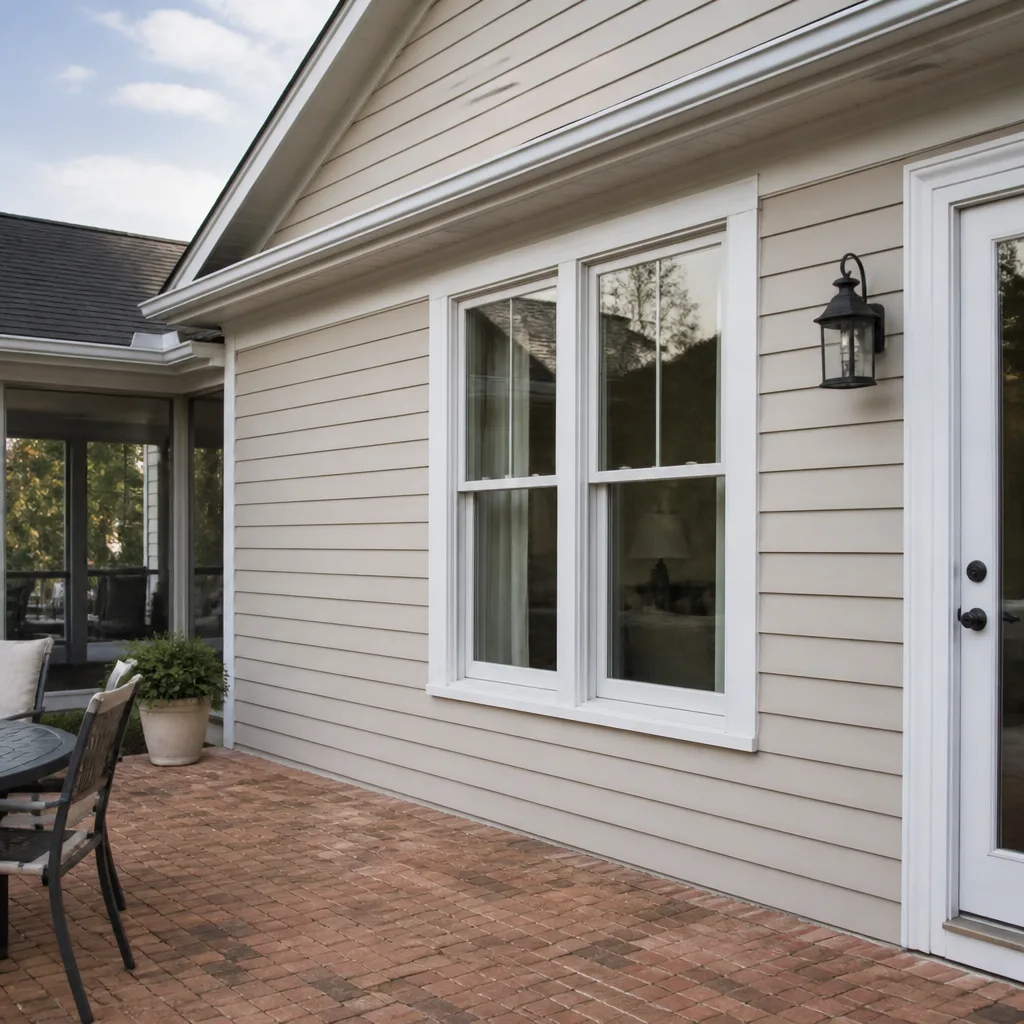
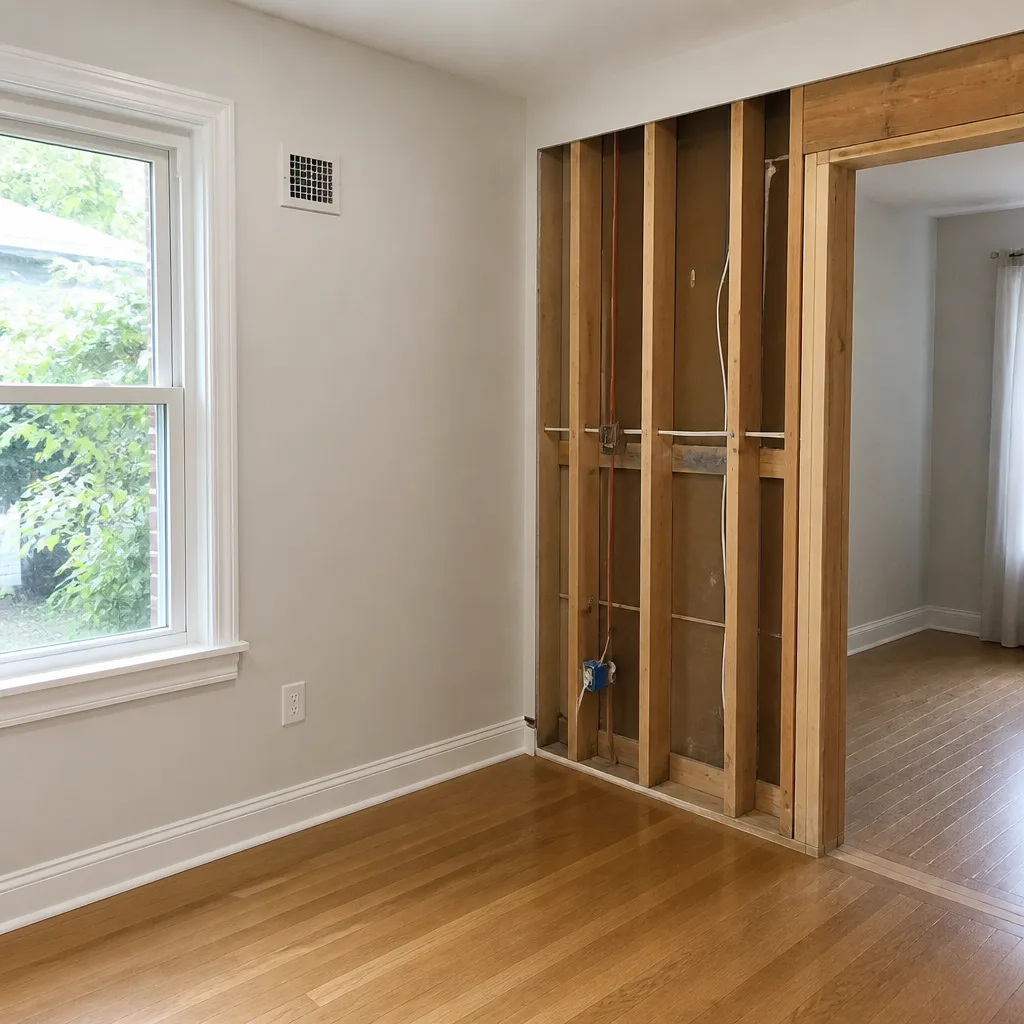

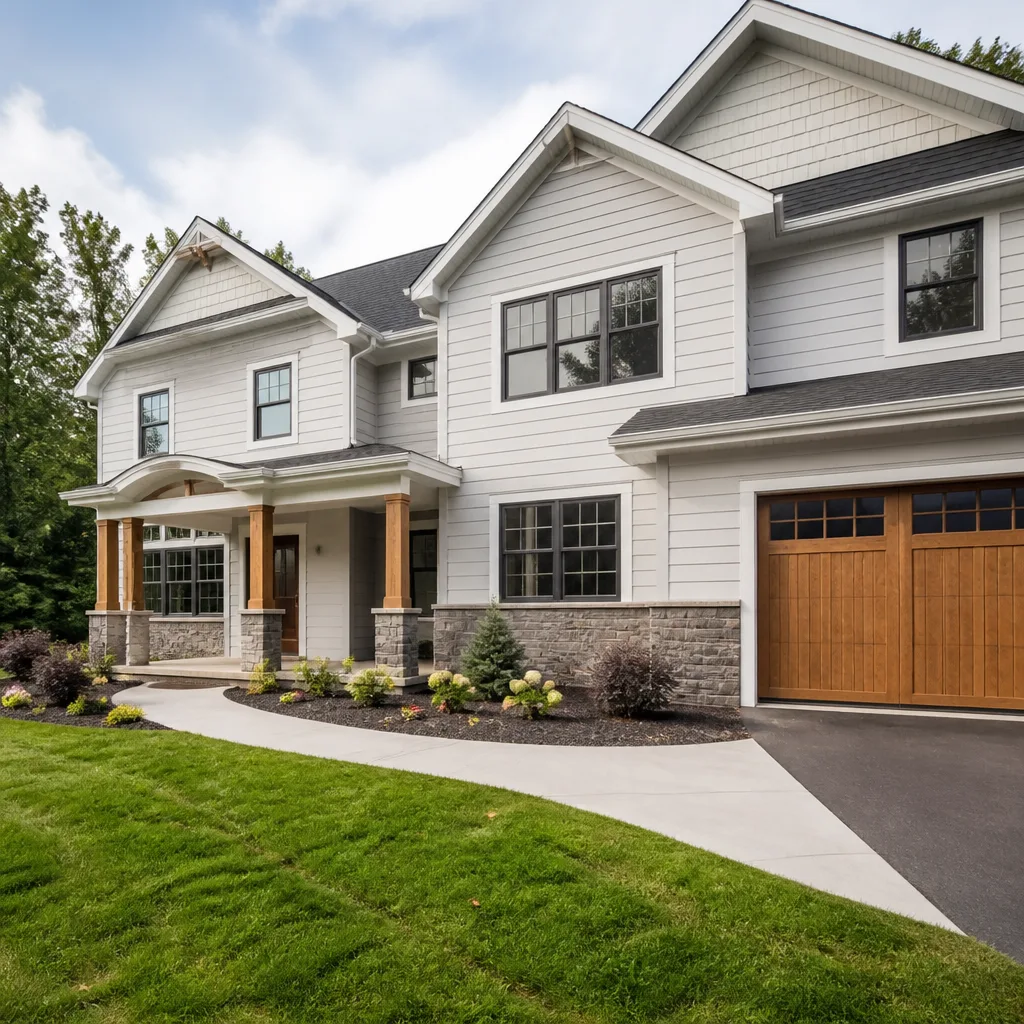
Seasonal Damage Restoration Care for Miami: Year-Round Homeowner’s Guide
Miami receives 61.9 inches of rain annually, but 70% of it falls between May and October. That concentration changes everything about how a restored home ages. A wall cavity that dried to specification in February will face a fundamentally different moisture load before that same wall is six months old. In our experience across more than 12,000 homes since 2011, the homeowners who avoid repeat damage are not the ones who react fastest to emergencies. They are the ones who understand that Miami has no frost season and no drought season - it has two elevated-risk windows that rotate around Atlantic storm season and South Florida’s wet-dry humidity cycle. This guide explains what to inspect, when to document it, and how to read the specific warning signs that precede the most common water losses in Miami. For a deeper dive, see our Complete Guide to Damage Restoration in Miami.
Quick Answer
Seasonal damage restoration care in Miami means preparing for two distinct risk windows: the May-October wet season, when 43 inches of concentrated rainfall test every seal and drainage path, and the November-February dry season, when heavy AC use on warm winter days drives condensate system failures that rival storm damage for frequency. Year-round care requires quarterly inspection of six vulnerable systems, pre-storm documentation of baseline moisture readings, and monthly checks of HVAC drain lines that operate continuously in Miami’s climate. Our Water Damage Restoration Maintenance Checklist for Miami Homeowners provides the full framework.
Table of Contents
- Pre-Wet Season Inspection: The Six Systems That Fail First
- Hurricane Prep as Documentation Work
- The First 72 Hours After a Storm
- Dry-Season Risks: When Miami’s AC Never Rests
- Why HVAC Condensate Failures Are Miami’s Hidden Epidemic
- How to Read Moisture: What the Numbers Mean
- Building a Claim-Ready File: The Haven Standard Approach
- Common Mistakes to Avoid
Pre-Wet Season Inspection: The Six Systems That Fail First
March and April in Miami are deceptive. The afternoon humidity stays below 70%, the mosquitoes have not yet arrived, and last year’s storm repairs feel settled. Then the first band of tropical moisture arrives in mid-May, and six specific systems fail with predictable regularity. We see the pattern every year in neighborhoods from Coral Gables to Miami Shores.
Here are the six systems to inspect before May 1, with the specific steps that reveal problems before water enters the structure:
- Roof penetrations and flashing. Check every vent pipe, chimney saddle, and skylight curb for lifted seals. Miami’s UV exposure degrades rubber boots faster than northern climates; a boot that looked sound in January may be brittle by April. Look for cracking at the flex point where the boot meets the pipe, and for gaps between flashing and roof membrane that widen with daily thermal expansion.
- Window weep holes and tracks. South Florida’s wind-driven rain enters through blocked weep holes more often than through failed seals. Remove the track covers, vacuum debris, and verify that water poured into the track drains to the exterior within 30 seconds. In coastal Miami, salt accumulation accelerates clogging.
- Exterior door thresholds and weatherstripping. Check the sill pan beneath the threshold for standing water or staining. Replace compression weatherstripping that no longer rebounds to full thickness; in Miami’s humidity, foam degrades to 60% of original density in 18-24 months.
- Gutter downspout extensions and splash blocks. Verify that every downspout terminates at least 6 feet from the foundation or connects to a functional underground drain. Miami’s sandy soils drain quickly, but concentrated flow from a missing extension undermines slab edges and creates entry points for subsurface water.
- AC condensate drain lines and overflow switches. Blow out the primary drain line with low-pressure nitrogen or a wet-dry vacuum. Test the overflow float switch by lifting the float manually; if the compressor does not shut down, the switch has failed. This single check prevents more interior water damage in Miami than any other pre-season step.
- Landscape grading and hardscape drainage. Walk the perimeter during a heavy rain or simulate with a hose. Water should flow away from the foundation on all sides. In Miami’s flat terrain, even a 1-inch reverse grade toward the slab will pool water against the stem wall during a typical 2-inch afternoon storm.
Document each inspection with dated photos. When a claim arises, the insurer’s first question is whether the homeowner maintained the property. A photo log with timestamps answers that question with evidence, not assertion.
Hurricane Prep as Documentation Work
Most hurricane preparation guides focus on plywood and bottled water. For restoration purposes, the critical prep happens before the storm and creates a measurable baseline that determines whether a post-storm claim is paid, disputed, or denied.
We developed this protocol after reviewing thousands of claims as a former adjuster and seeing which documentation survived scrutiny. It is now standard in every DryMark Restoration Miami home assessment we perform before storm season.
Step 1: Photograph known weak points with a moisture meter reading.
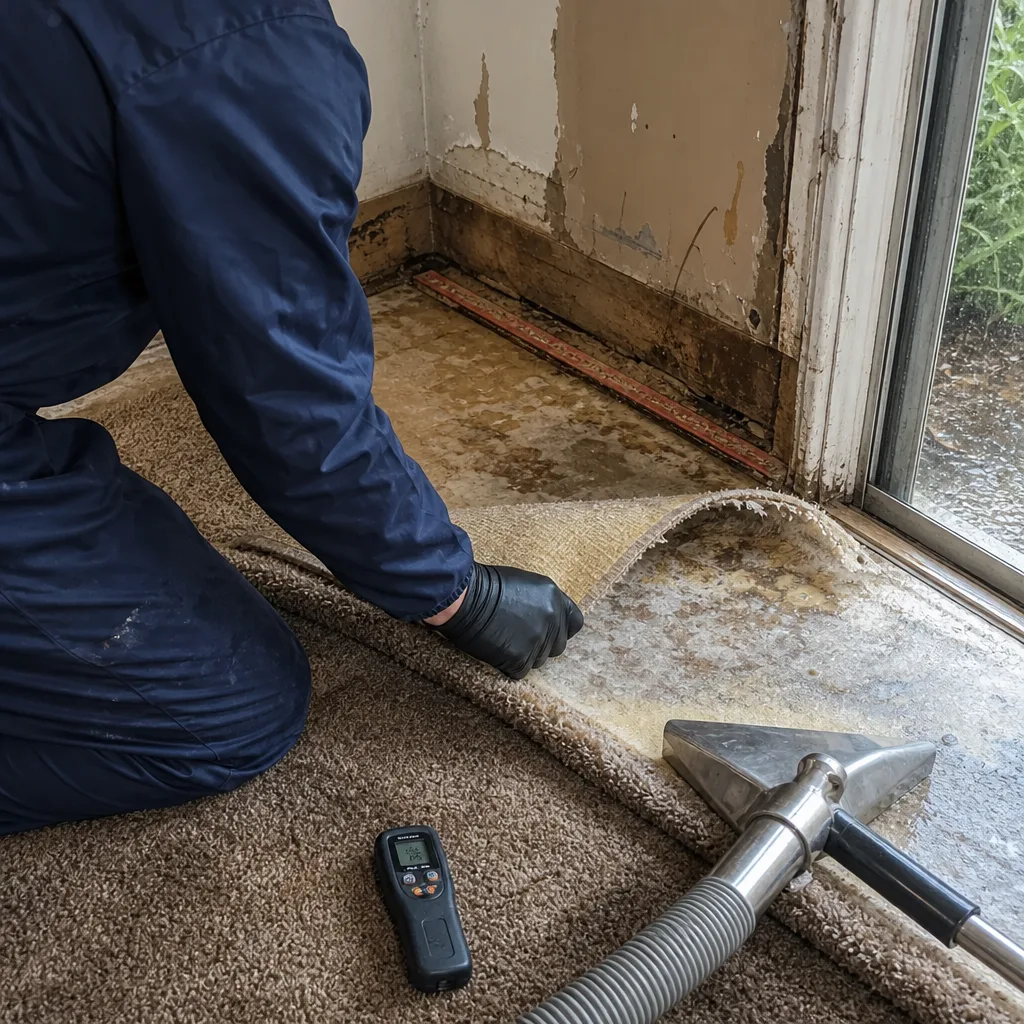
Identify the three areas in your home with past water exposure or visible vulnerability: the corner where the downspout discharged last year, the window that leaked in a previous storm, the baseboard with the faint stain that never fully disappeared. Photograph each with a pinless moisture meter held against the surface, showing the reading in the frame. A reading of 12-15% on drywall is normal for Miami’s ambient humidity; a reading above 20% indicates active moisture that predates the storm and will complicate your claim.
Step 2: Record exterior conditions with date stamps.
Walk the property and photograph roof condition, gutter attachment, window caulking, and grade lines. Use a camera that embeds GPS and date data, or email the photos to yourself to create a timestamped record. After Hurricane Irma in 2017, we saw claims denied because homeowners could not prove that pre-existing roof damage was not storm-caused.
Step 3: Seal and photograph interior contents.
Move valuables to interior rooms, photograph the placement, and seal the room door with painter’s tape. If wind-driven water enters, the sealed door creates a documented barrier; if water appears behind the tape, the source and timing are easier to establish.
Step 4: Store the documentation off-site.
Upload photos to cloud storage and email a copy to your insurance agent with a subject line that includes the date and “pre-storm baseline.” This creates a third-party timestamp that is harder to dispute than a file on your personal device.
The cost of this documentation is two hours and zero dollars. The value, when a claim is disputed, is frequently the difference between a covered loss and a denied one.
The First 72 Hours After a Storm
The period immediately after a storm is when most homeowners damage their own claims through hasty action or delayed documentation. The correct sequence is: document, mitigate, then restore. Reversing the order destroys evidence that insurers require.
Hour 0-6: Initial documentation before any disturbance.
Photograph standing water with a ruler or coin in the frame for scale. Photograph water lines on walls, the point where water entered, and all affected contents in place. Do not move furniture, do not cut drywall, do not start fans. These actions alter the scene and give the insurer grounds to dispute the extent of original damage.
Hour 6-24: Controlled mitigation with continued documentation.
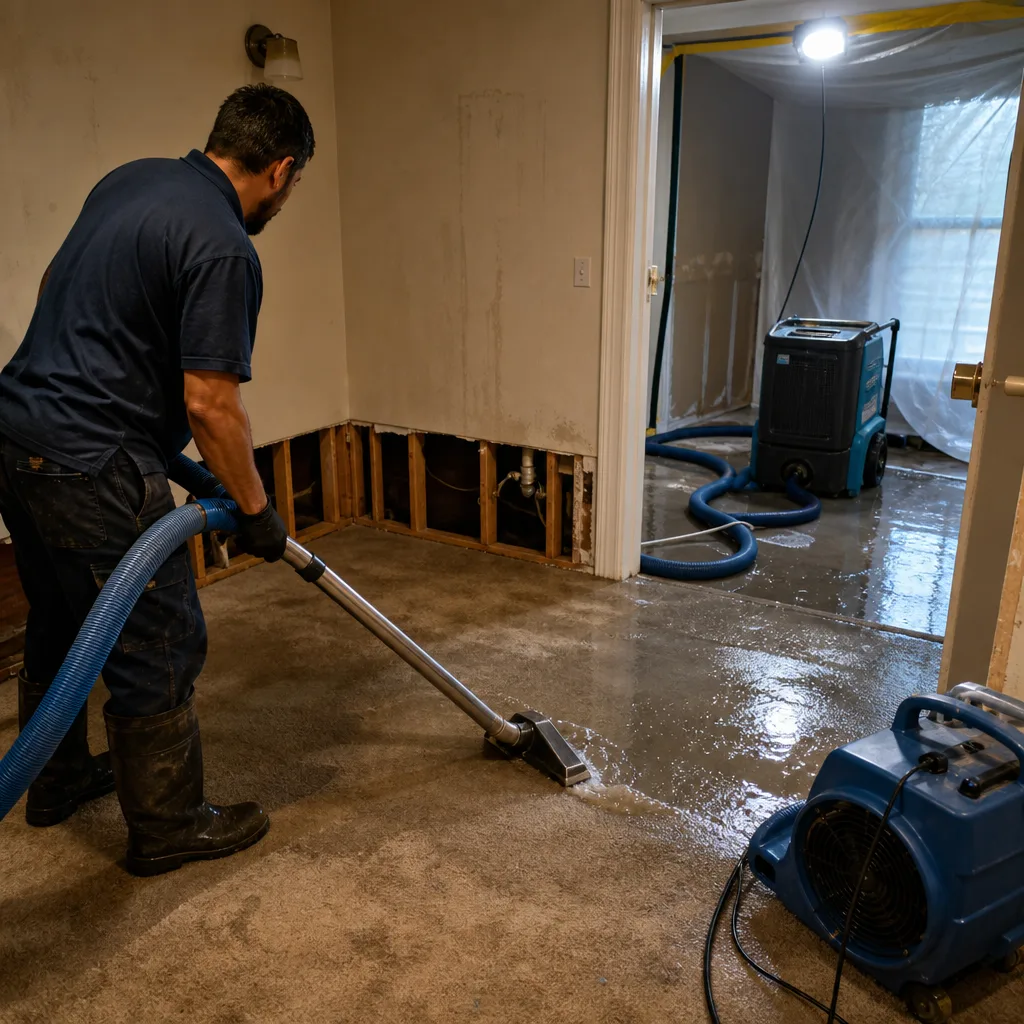
Remove standing water with extraction equipment or professional service. Photograph the same angles after water removal. If you cut wet drywall for drying access, cut straight lines at 24-48 inches above the floor, photograph the exposed cavity, and save the removed piece with the water line visible. This preserves the material evidence of water height that digital photos alone cannot provide.
Hour 24-72: Professional assessment and drying log initiation.
Contact Water Damage Restoration in Miami for a professional assessment. A qualified restoration company will establish a drying log with daily moisture readings, psychrometric data (temperature, relative humidity, and vapor pressure differential), and equipment placement maps. This documentation, maintained to IICRC S500 standards, is what converts a restoration invoice into a payable claim.
At DryMark Restoration Miami, every storm response includes a photo record on every visit, a written scope before work begins under Haven Standard Clause 1, and daily moisture logs using equipment from Phoenix and XPOWER documented to IICRC, RIA, and IFA standards. The 365-Day Done Right Promise, backed by The Haven Standard, means that if moisture readings rise after we leave, we return and correct the deficiency at no charge.
Dry-Season Risks: When Miami’s AC Never Rests
November through February in Miami is not a rest period for a home’s water-vulnerable systems. The dry season brings specific risks that homeowners from northern climates fail to anticipate because the mechanism is invisible: condensate line failures driven by air conditioning systems that run heavily on warm winter afternoons.
Miami’s winter temperature pattern is distinctive. December days frequently reach 78-82 degrees with 65% afternoon humidity. The thermostat calls for cooling, the AC operates for hours, and the condensate production rivals summer levels. But the homeowner’s attention is elsewhere - the system is not on the pre-storm checklist, the drain line is not on the spring inspection list, and the first indication of trouble is water dripping from a ceiling register or pooling in a closet.
The critical dry-season inspection points are:
- Primary drain line flow. Pour a quart of water into the AC drain pan and verify it exits at the exterior termination within 60 seconds. Slow drainage indicates partial clog from biofilm or algae, which proliferates year-round in Miami’s warmth.
- Overflow drain pan condition. The secondary pan beneath the air handler should be dry. Any water indicates primary line failure or pan overflow. Check the float switch by manually lifting the float; the compressor should shut off immediately. If it does not, the switch has failed and the pan will overflow silently.
- Insulated suction line at the air handler. Missing or degraded insulation on the cold refrigerant line causes condensation on the exterior that drips into the cabinet or surrounding structure. In Miami’s humidity, a 3-foot uninsulated section can produce a pint of water daily.
- Condensate pump operation. For systems with pumps rather than gravity drains, test by pouring water into the reservoir and verifying the pump activates before the high-water switch trips. Pumps have a 3-5 year lifespan in continuous operation; Miami’s year-round AC use accelerates wear.
We recommend quarterly drain line treatment with an algaecide tablet approved for HVAC use, not bleach, which corrodes copper and degrades PVC at joints. The cost is negligible; the alternative is frequently a $3,000-8,000 ceiling and insulation replacement that insurance may not cover if the cause is deemed maintenance-related.
Why HVAC Condensate Failures Are Miami’s Hidden Epidemic
In our 12,000+ jobs since 2011, HVAC condensate system failures have become the single highest-frequency non-storm water loss source in Miami. The reason is straightforward: no other major U.S. market runs residential air conditioning with comparable intensity across all twelve months. A Miami AC system accumulates 8,000-10,000 annual operating hours. A Chicago system might reach 2,000.
The monthly check that prevents these failures takes 10 minutes and requires no tools:
- Locate the exterior drain termination, usually a PVC pipe near the ground on the same wall as the air handler.
- Place your hand over the pipe opening while the AC is running. You should feel steady airflow, warm and moist, indicating the drain is clear and the system is producing condensate.
- If airflow is absent or intermittent, the line is partially blocked. Use a wet-dry vacuum at the exterior termination to pull the clog free, or call for service.
- Inspect the air handler closet or attic space for any moisture, staining, or musty odor. These are late warnings; absence of visible water does not confirm system health.
- Verify the overflow switch test from the dry-season section monthly, not quarterly. The switch is a $15 part that prevents $5,000 in damage.
The documentation value of this monthly check is substantial. When a condensate failure causes damage and the insurer investigates, a log of monthly verification supports the claim that the loss was sudden and accidental, not the result of gradual neglect. Without that log, the policy’s maintenance exclusion may apply.
For homes in Miami’s coastal neighborhoods - Key Biscayne, Miami Beach, Surfside - the salt air adds a secondary factor. Corroded drain line fittings and degraded float switches fail 30-40% faster than inland equivalents. Monthly inspection is not excessive; it is proportionate to the environment.
How to Read Moisture: What the Numbers Mean
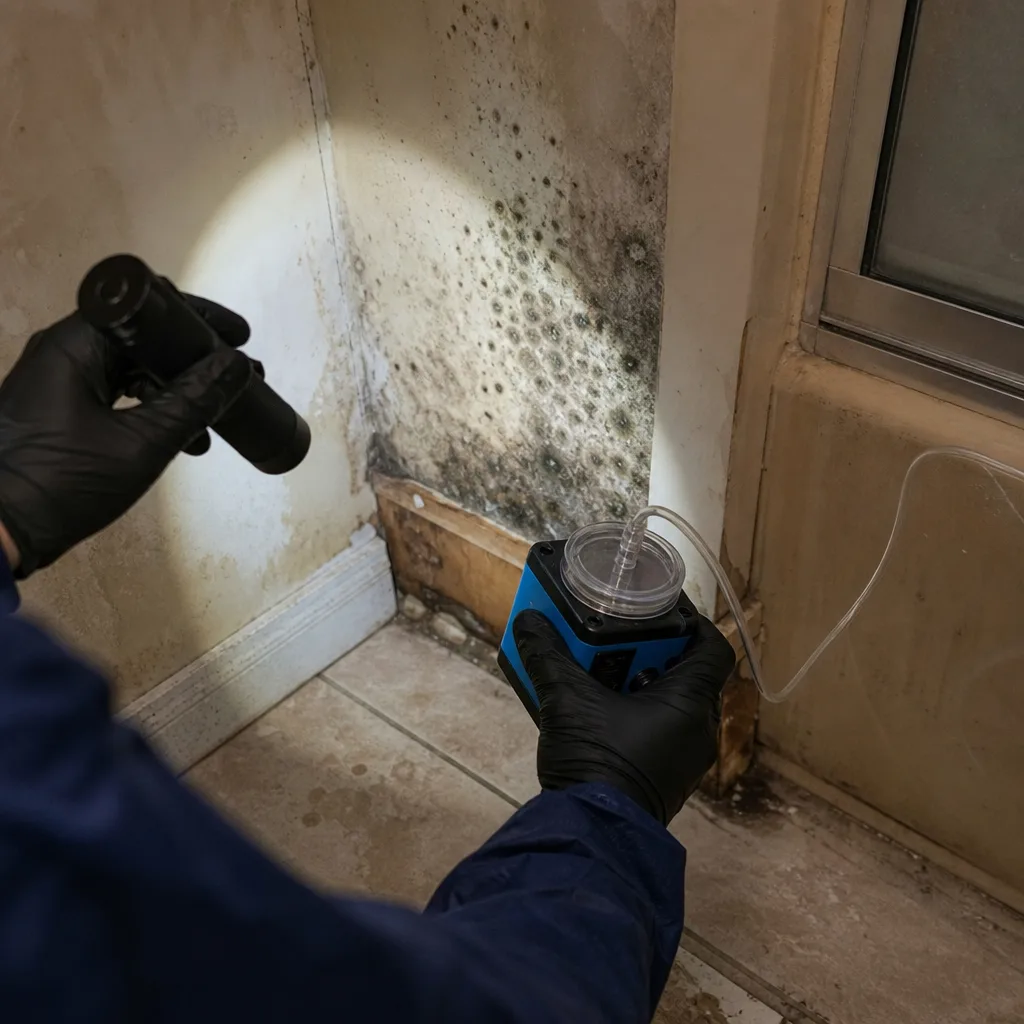
Moisture meters are inexpensive and widely available, but the numbers require interpretation specific to Miami’s climate. A homeowner who misreads normal humidity as damage, or damage as normal humidity, makes poor decisions about when to call for professional assessment.
Wood framing and structural lumber: In Miami’s ambient conditions, untreated lumber stabilizes at 14-18% moisture content. Readings below 20% generally indicate dry conditions suitable for finishing. Readings above 25% indicate active moisture intrusion or incomplete drying. The critical threshold for fungal growth is 20% sustained over 72 hours, but in Miami’s warmth, we use 48 hours as the practical limit.
Drywall and gypsum board: Normal range is 10-16% in Miami. Readings above 20% indicate water exposure requiring investigation. At 30%, drywall begins to lose structural integrity and paper facing separates from the core. We remove drywall at this threshold because it will not dry to specification without controlled demolition.
Concrete and masonry: Pinless meters are unreliable on concrete; use a calcium chloride test or relative humidity probe for slab moisture. In Miami’s high water table, slab moisture frequently reads 75-85% relative humidity even without leaks. Flooring failures in Miami are often caused by installation over insufficiently dried slabs, not by subsequent water intrusion.
Carpet and pad: A moisture probe should penetrate to the pad. Surface readings on carpet are meaningless. Pad readings above 25% require extraction and replacement; pad does not dry effectively in place and becomes a reservoir for microbial growth.
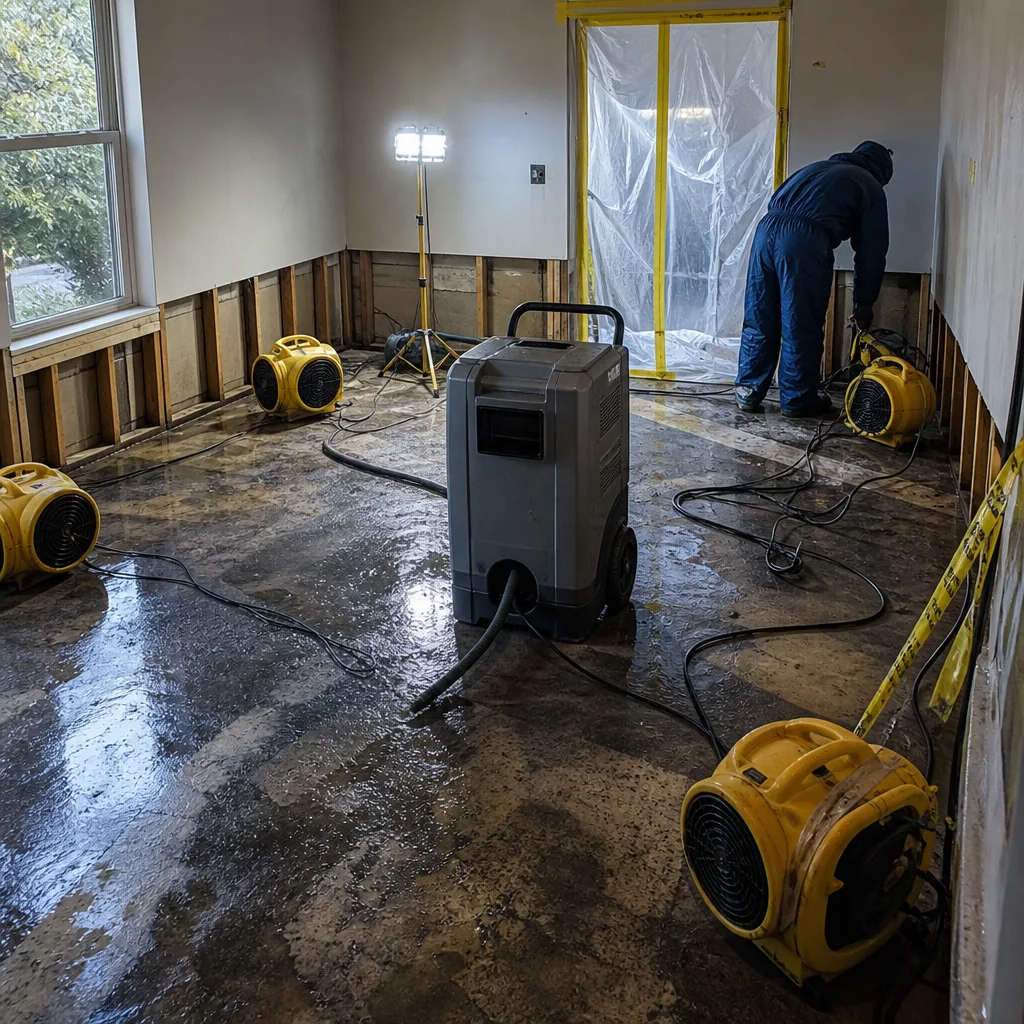
Professional restoration companies document moisture readings on a room-by-room grid, typically every 16-24 inches on walls and floors, with readings taken at consistent intervals until drying goals are achieved. This grid documentation is what insurers review to verify that drying was thorough, not merely declared. At DryMark Restoration Miami, our daily drying logs using B-Air and Injectidry equipment record these readings with equipment serial numbers and technician signatures, creating an auditable chain of evidence.
Building a Claim-Ready File: The Haven Standard Approach
Documentation is not an afterthought in restoration; it is the product that determines whether the work is paid for. The Haven Standard, which has governed every DryMark Restoration Miami job since 2011, was built around this principle by a former claims adjuster who saw how documentation gaps cost homeowners their recoveries.
The components of a claim-ready file are specific and replicable:
- Written price before work begins. Haven Standard, Clause 1: a detailed scope with line-item pricing is delivered and signed before any crew enters the property. No scope-creep additions, no verbal authorizations, no invoice surprises.
- Photo record on every visit. Every technician visit produces dated, geotagged photographs of affected areas, equipment placement, and moisture readings. These are delivered to the homeowner and available to the adjuster on request.
- Daily drying log with psychrometric data. Temperature, relative humidity, specific humidity, and vapor pressure differential are recorded at each visit, with equipment readings from Dri-Eaz and Phoenix dehumidifiers and air movers. This data proves that drying conditions were maintained within IICRC parameters.
- Material classification and disposal records. Every removed material is classified by type (Category 1, 2, or 3 water; Class 1-4 damage) with square footage and disposal documentation. This supports the waste disposal line item that insurers frequently challenge.
- 365-Day Done Right Promise. A signed warranty, not a verbal assurance, stamped on every job under The Haven Standard. If moisture readings rise, odors develop, or finishes fail within one year, we return and correct the deficiency.
- Free Second Opinion on any competitor’s written estimate. Bring another company’s scope and we will review it against IICRC standards at no charge. This service exists because we have seen homeowners pay for unnecessary demolition, or fail to receive necessary demolition, based on scopes that do not match the actual damage classification.
The file you build as a homeowner, and the file we build as your restoration company, are complementary. Your pre-loss documentation - photos, maintenance records, baseline moisture readings - establishes the condition before the event. Our restoration documentation establishes the scope of damage and the adequacy of response. Together, they create a claim that moves through the process without the delays and disputes that consume months and erode recoveries.
Common Mistakes to Avoid
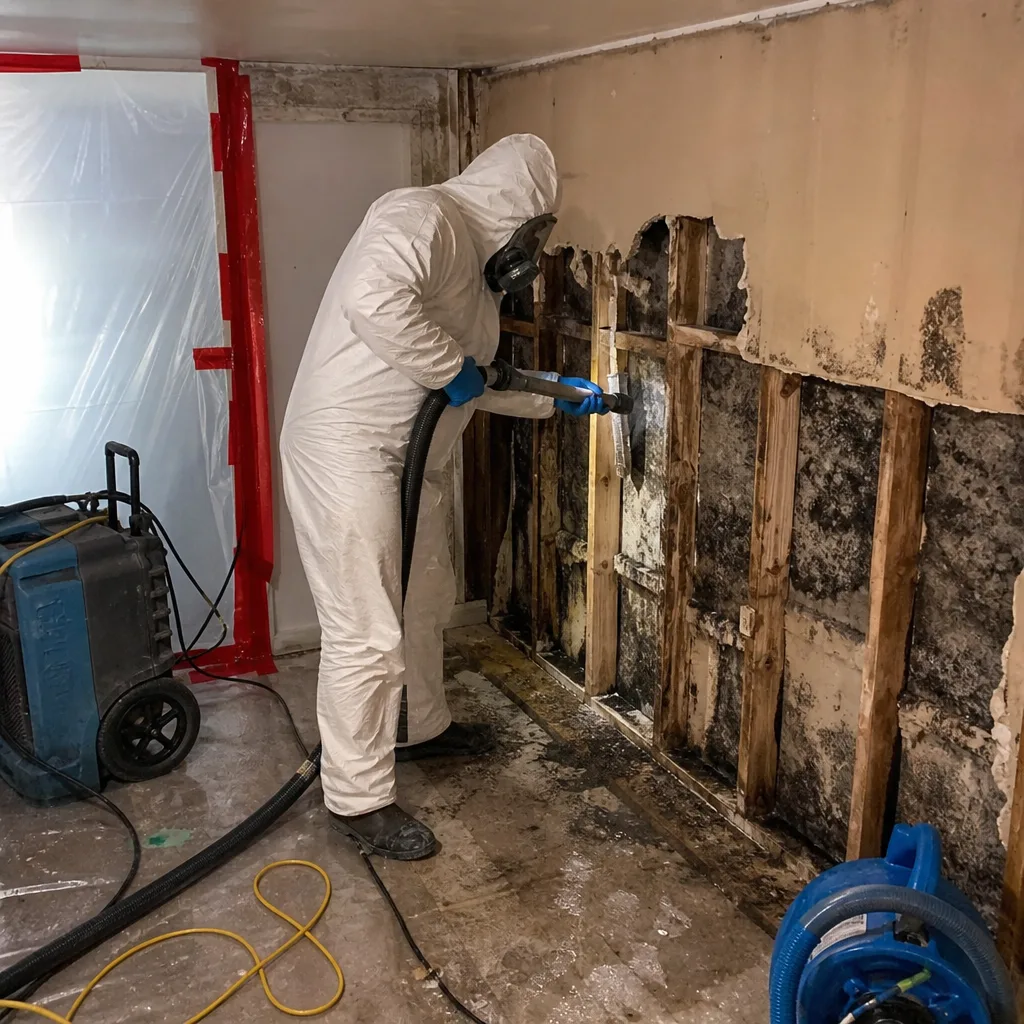
- Starting demolition before documentation. Cutting wet drywall feels like progress, but it destroys the physical evidence of water height and source that adjusters need. Document first, then mitigate, then restore.
- Assuming dry-season safety. Miami’s November-February period produces significant water losses from AC condensate failures. The reduced rainfall creates false confidence; the continuous AC operation does not.
- Using bleach on mold. Bleach does not penetrate porous materials and can worsen the problem by adding moisture. For visible mold growth exceeding 10 square feet, professional assessment is indicated. Mold Remediation in Miami requires containment, negative air pressure, and proper disposal - not surface spraying.
- Neglecting the overflow switch test. A failed float switch is silent until the pan overflows. The monthly manual test takes 30 seconds and prevents the most common dry-season water loss we see in Miami homes.
- Accepting verbal estimates. Haven Standard, Clause 1 exists because verbal pricing creates disputes. A written scope with line-item pricing, signed before work begins, is the only protection against scope creep and invoice shock.
- Failing to document pre-existing conditions. The insurer’s first defense is that damage predated the claimed event. Baseline photos with moisture readings, stored off-site, eliminate this defense before it can be raised.
- Delaying professional assessment for “minor” water. Water travels horizontally in wall cavities and vertically through multi-story buildings. What appears as a 2-square-foot stain on a ceiling often represents 40-60 square feet of wet insulation and framing above. Professional moisture mapping with thermal imaging reveals the true extent.
When to Call a Professional
Call for professional assessment when water has affected drywall, insulation, or structural materials; when the source is unclear or may recur; when mold is visible or suspected; or when the loss may involve Fire & Smoke Damage Restoration in Miami or other complex categories. Do not attempt to dry Category 2 or 3 water (gray water or black water) without professional equipment and containment; the health risks and documentation requirements exceed what homeowners can manage.
DryMark Restoration Miami offers free estimates in Miami - call (786) 250-0820. Every estimate includes a written scope with line-item pricing before any work begins, a photo record of the assessment, and a clear statement of whether the damage classification requires professional drying or can be safely managed by the homeowner. Live phone coverage is available 24 hours a day, 7 days a week with no voicemail on emergency lines.
Frequently Asked Questions
Quarterly homeowner inspections of the six systems described in this guide cost approximately $50-150 in materials and supplies annually, depending on whether you replace weatherstripping, drain line treatments, or gutter extensions in a given year. Professional pre-season inspection by a licensed contractor ranges from $200-400 for a typical single-family home in Miami. Compare this to the $3,000-15,000 cost of a typical water damage restoration, and the return is immediate. Call (786) 250-0820 for an exact quote - estimates are free.
Wind-driven rain damage to the building envelope is typically covered under standard homeowners policies, but flood damage from rising water requires separate flood insurance through the NFIP or private market. The critical factor is documentation: insurers deny claims when homeowners cannot establish that water entered through a storm-created opening rather than through pre-existing maintenance failures. Pre-storm baseline photos with moisture readings, stored with timestamps, are the most effective tool for securing coverage. DryMark Restoration Miami coordinates directly with adjusters and provides the documented drying logs that support payable claims.
Response time depends on storm severity and geographic concentration of damage. For isolated events, DryMark Restoration Miami typically dispatches within 2-4 hours. Following major hurricanes, priority is given to active water intrusion and safety hazards, with response extending to 12-24 hours in widespread events. The most effective action a homeowner can take during that window is documentation: photographs, moisture readings, and protection of unaffected areas. Speed of mitigation matters, but speed of documentation matters more for the claim’s outcome.
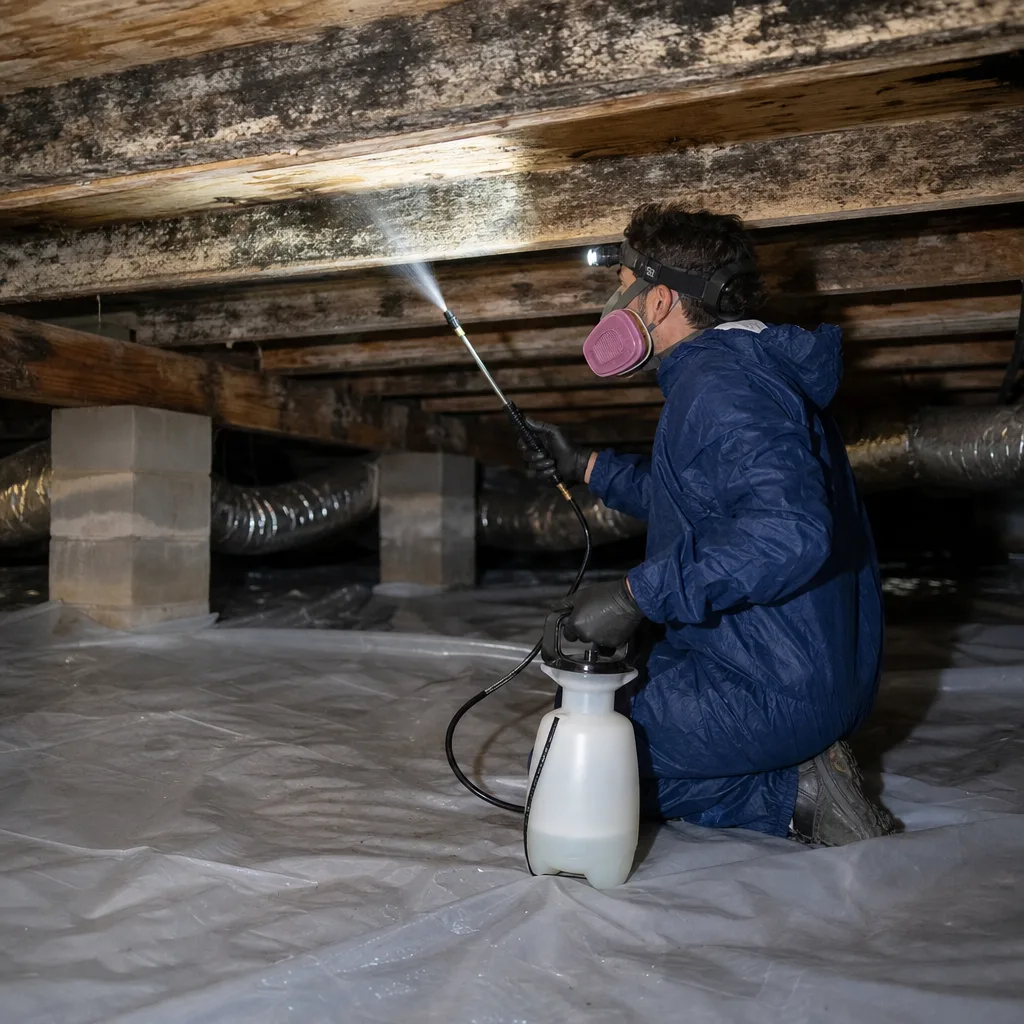
For visible mold growth under 10 square feet on hard, non-porous surfaces, homeowner cleaning with appropriate PPE and EPA-registered products may be adequate. For growth exceeding 10 square feet, growth on porous materials (drywall, insulation, carpet, wood framing), or growth resulting from Category 2 or 3 water, professional remediation is indicated. Miami’s year-round humidity means that incomplete remediation frequently regrows within 30-60 days. Professional remediation includes containment, negative air pressure, HEPA filtration, and post-remediation verification testing - documentation that insurers and future buyers require.
At DryMark Restoration Miami, we coordinate directly with your adjuster, providing the documented photo record, daily drying logs, and written scope that adjusters need to approve payment. Our documentation is formatted to IICRC, RIA, and IFA standards specifically for this purpose. However, the homeowner remains the policyholder and must authorize all communications. We recommend a three-way call at the outset to establish communication protocols and ensure that no documentation is missed. Explore more guides & resources on our blog for additional homeowner strategies. The Haven Standard requires that all scope changes be documented in writing and signed by the homeowner before implementation.
Miami’s combination of concentrated rainfall (70% in six months), high year-round humidity (75% average), flat terrain with limited natural drainage, and continuous air conditioning operation creates multiple overlapping water risk factors. A home in Chicago faces freeze-thaw cycles; a home in Phoenix faces monsoon flash flooding; a home in Miami faces all of the above plus the highest annual AC runtime of any major U.S. market, which drives condensate system failures as a distinct loss category. The maintenance protocols in this guide are designed specifically for this intersection of risks.
The Bottom Line
Miami’s seasonal damage restoration care is not about preparing for winter or drought. It is about understanding two rotating risk windows - the concentrated rainfall of May through October and the continuous AC load of November through February - and inspecting six specific systems before each window opens. Documentation, not urgency, is the discipline that separates homeowners who recover fully from those who dispute claims for months. The monthly 10-minute HVAC drain check, the pre-storm baseline photo with moisture reading, and the requirement for a written scope before any work begins are the practices that produce measurable outcomes. They are also the foundation of The Haven Standard, which has governed every DryMark Restoration Miami job since 2011.
Written by Alicia Brennan, Owner at DryMark Restoration Miami, serving Miami since 2011.