
Free visual inspection and a written scope of work before any mitigation begins - photos, moisture readings, and drying logs go in your claim file
The scope we write is the scope we bill. Anything new gets shown to you, in writing, before we touch it.
24/7 Emergency Water Damage Restoration in Miami
Water damage restoration in Miami typically costs $2,800-$7,500 for a standard residential dry-out, with Category 3 flood cleanup running $4,500-$12,000 due to full material replacement requirements. Most extraction and stabilization jobs begin within 45 minutes of your call. Call (786) 250-0820 now - our lines are answered live, 24 hours a day, by a real person who can dispatch a crew immediately.
We’re based in Miami, dispatching and scheduling from our South Florida office, with crews already moving through Brickell, Miami Beach, and the Roads neighborhood. The first hour determines whether water stays in the carpet or migrates into CBS block walls, whether drywall can be dried in place or requires full removal, and whether your claim documents clearly enough for your adjuster to approve the scope without dispute. Our Water Damage Restoration team arrives with moisture meters, thermal imaging, and containment materials - not a clipboard and a promise to return tomorrow.
Understanding Water Damage Restoration Severity in Miami Properties
IICRC S500 classifies water damage by contamination level, and Miami’s geography forces a stricter reading than most US markets. Category 1 - clean water from a supply line - degrades to Category 2 within 48 hours and Category 3 within a week, but in Miami it accelerates faster. Year-round relative humidity above 80% compresses that timeline significantly. Category 2, greywater with chemical or biological load, requires cleaning and antimicrobial treatment. Category 3, grossly contaminated water, mandates full decontamination and replacement of porous materials.
Here’s what makes Miami distinct: any water from Biscayne Bay storm surge, tidal intrusion, or king-tide backup through street drains is automatically Category 3 due to salt content, pathogens, and chemical contaminants. You cannot dry out Category 3 drywall or carpet. It comes out. The moisture mapping then has to trace horizontally through concrete block walls rather than downward into a basement, because Miami-Dade’s slab-on-grade construction sits with the water table just feet below grade. No basements means no sump-pump recovery path.
Pre-1992 CBS homes add another variable. Before Hurricane Andrew rewrote the Florida Building Code, roof-to-wall straps were absent or minimal, impact-rated openings were not required, and stucco crack patterns differ from post-2002 construction. A restoration scope that treats a 1985 CBS home like a 2010 build will miss infiltration pathways and understate the wet area. Our techs document the construction era on every assessment.
Why Miami Property Owners Choose DryMark Restoration Miami
- 45-minute response commitment - from call to crew on-site in Miami, Miami Beach, Coral Gables, and Key Biscayne, because water migrates through block walls faster than it pools on concrete.
- 24/7 live answer - a real person, never an automated system or voicemail tree, picks up every call to our emergency line at (786) 250-0820.
- IICRC-certified crews - our technicians hold WRT (Water Damage Restoration Technician), FSRT (Fire & Smoke Restoration Technician), and AMRT (Applied Microbial Remediation Technician) certifications, with license numbers documented on every job file.
- Free visual inspection - no charge for the initial assessment, moisture mapping, and written scope delivery; you get a firm price before any work begins, per Haven Standard, Clause 1.
- Direct insurance billing - we coordinate with your adjuster from the first photo, delivering moisture logs, drying documentation, and line-item scopes that carriers recognize and pay.
- One team from extraction to reconstruction - no handoffs between mitigation contractors and rebuild crews, no gaps in documentation, no disputed finish work.
Our Water Damage Restoration Process
1. Inspection & Assessment
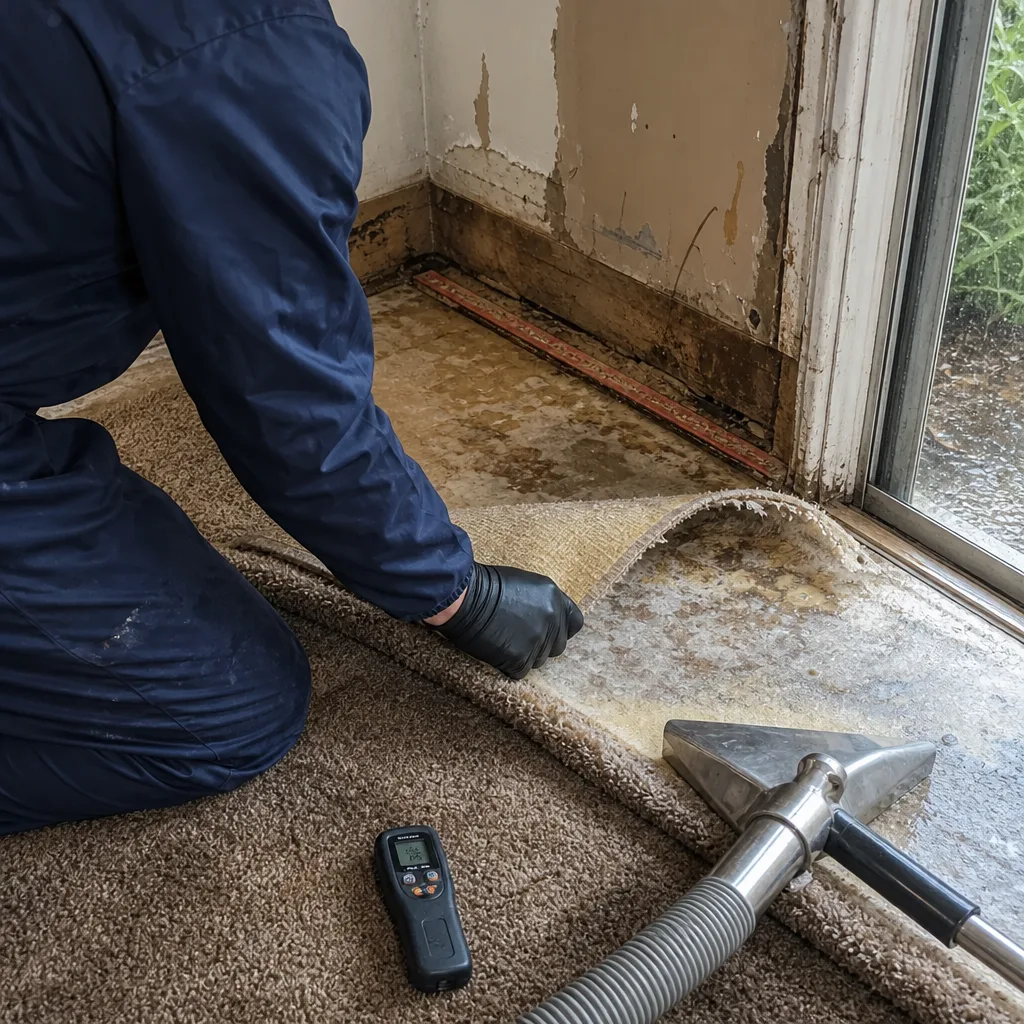
We arrive with thermal imaging cameras, pin and non-invasive moisture meters, and hygrometers to map the full extent of water migration. For Miami’s CBS construction, we trace horizontally through block walls and check stucco-crack infiltration patterns, documenting construction era and pre-loss condition with photos for your claim file.
2. Extraction & Stabilization
Standing water comes out first - truck-mounted extraction for carpet, portable units for hard surfaces, and specialized tools for tile and grout. We set containment barriers immediately on Category 3 jobs to prevent cross-contamination, and we photograph every room before moving anything.
3. Structural Drying & Dehumidification
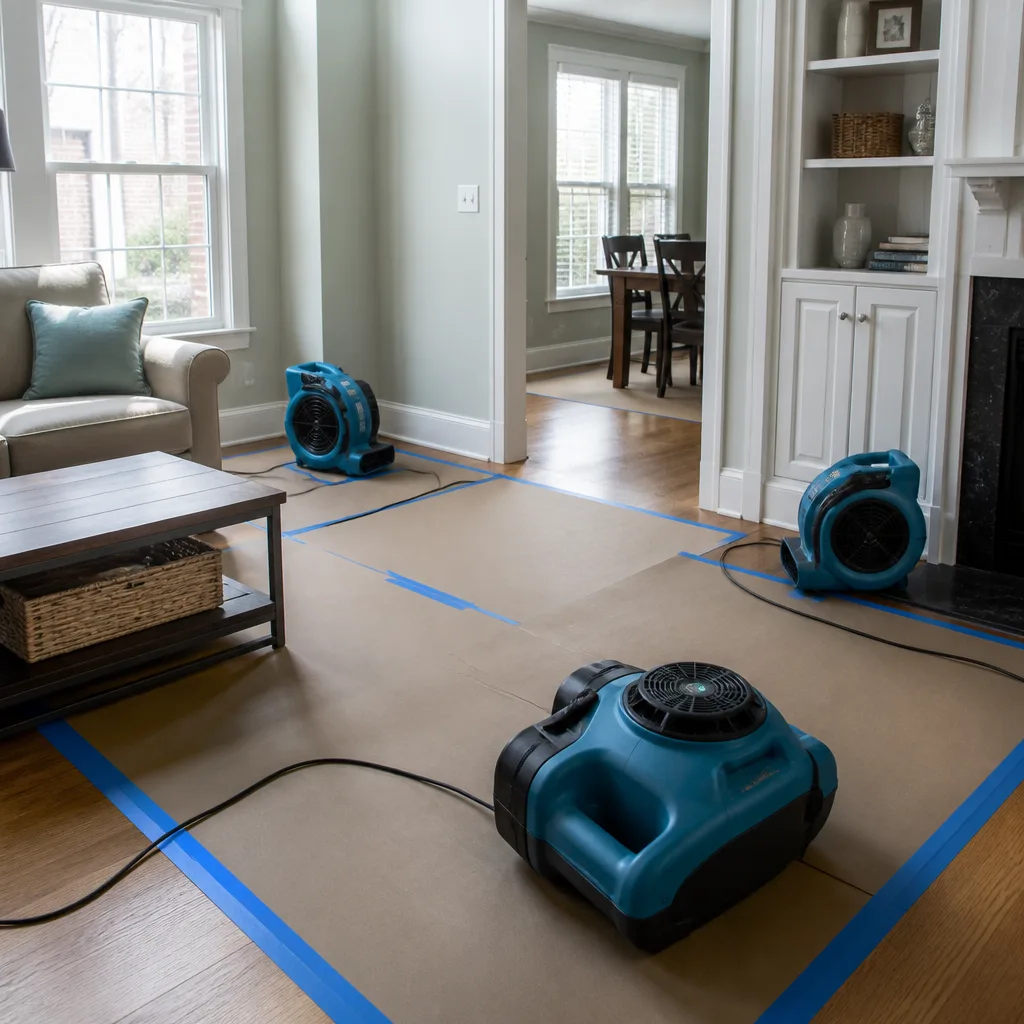
We deploy Dri-Eaz and Phoenix dehumidifiers alongside XPOWER and B-Air air movers, sized to the cubic footage and moisture load. In Miami’s climate, dehumidification runs continuously rather than cycling, because ambient humidity above 80% reintroduces moisture faster than intermittent drying can remove it. Daily psychrometric readings - temperature, relative humidity, and vapor pressure differential - go into your drying log.
4. Cleaning & Sanitization
Category 1 and 2 losses receive antimicrobial treatment and HEPA air scrubbing. Category 3 losses, including all saltwater and king-tide intrusion, require full removal of porous materials followed by decontamination of remaining structural elements. We document each step with photos and written scope updates.
5. Mold Prevention & Tertiary Drying
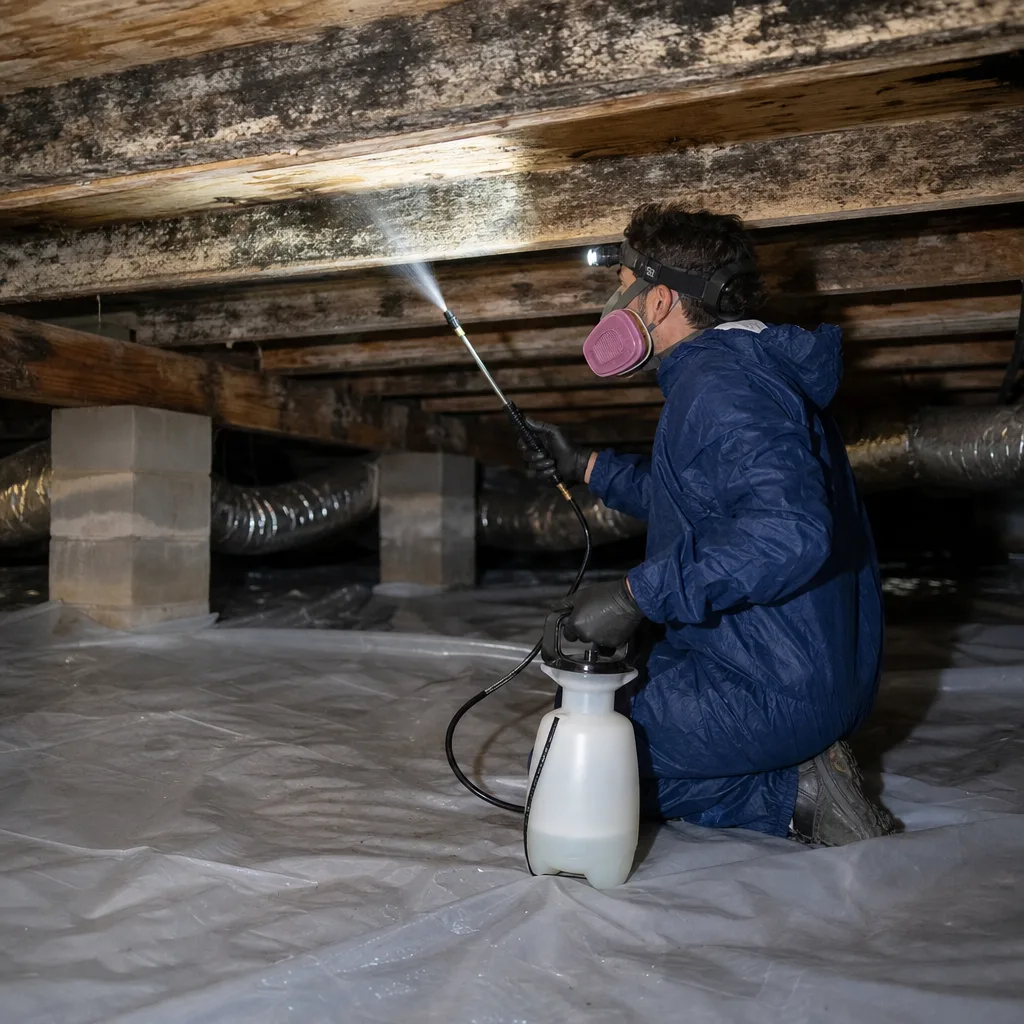
Miami’s mold colonization window is under 24-48 hours. We run tertiary drying protocols - extended dehumidification after apparent dryness - and apply preventive antimicrobial treatment to block walls and framing. Air scrubbers with HEPA filtration run until clearance readings confirm spore counts at or below ambient baseline.
6. Repairs & Restoration
Our rebuild crew replaces drywall, flooring, trim, and finishes to match pre-loss condition, with the same documentation standard: photos, written scope, and a signed 365-Day Done Right Promise under The Haven Standard. We handle permit coordination for structural repairs and code upgrades where required.
Need Emergency Water Damage Restoration in Miami Now?
Crews minutes away, answering live 24 hours a day. The sooner we start, the less it costs.
Working With Your Insurance Company
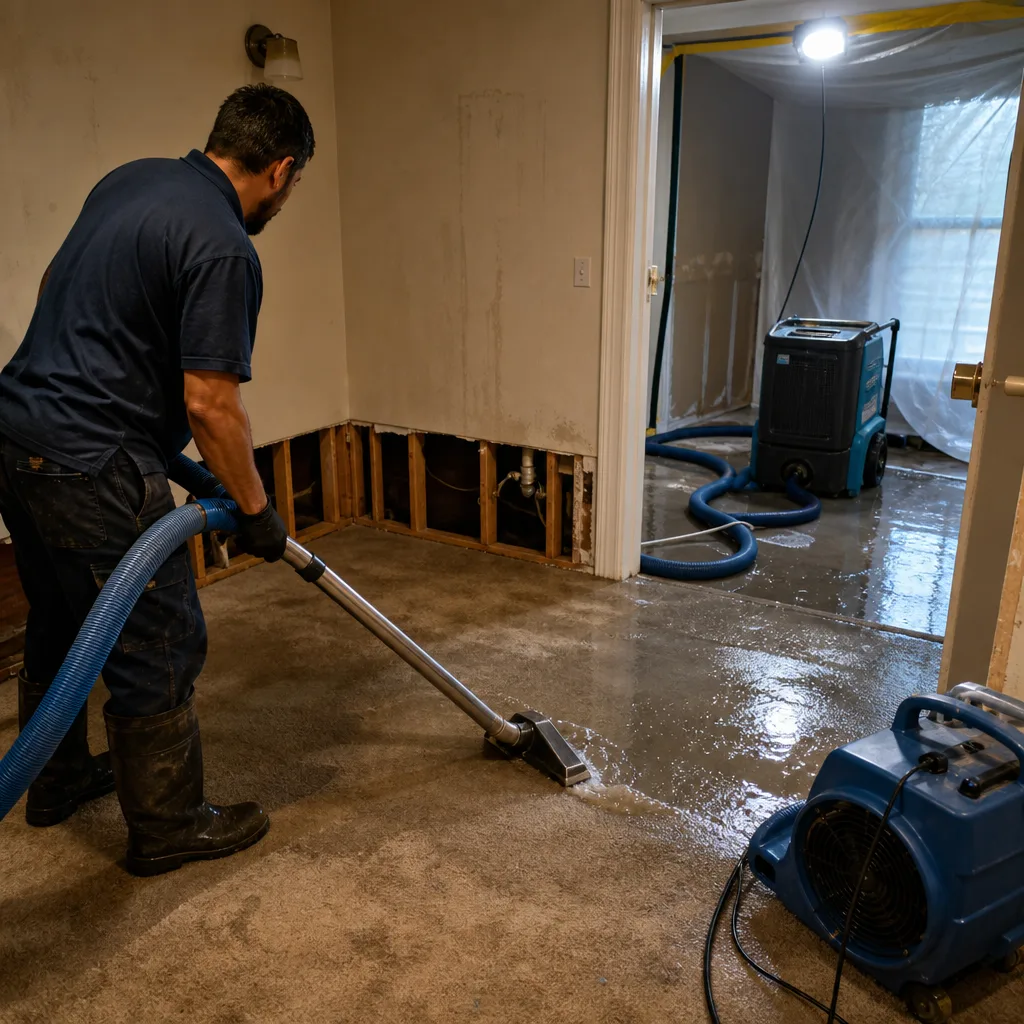
Insurance claims fail on documentation gaps. We close those gaps from the first hour. Every DryMark Restoration Miami job produces a photo record on every visit, daily moisture logs with psychrometric data, and a written scope of work with line-item pricing - the same documentation standard that Alicia Brennan developed as a former claims adjuster before founding Back to Dry in 2011. We speak your adjuster’s language because we used to be on that side of the desk.
We provide industry-standard estimates compatible with Xactimate and Symbility platforms, and we coordinate directly with your carrier’s desk adjuster or field representative. No middleman. No delayed responses. The photo record, drying logs, and scope go to your insurer the same week the work completes, not months later when memories fade and moisture meters are long gone.
What We Provide Your Insurer
- Thorough documentation of the loss
- Photos of all damage, room by room
- Moisture readings and drying logs
- A detailed, line-item scope of work
- Direct coordination with your carrier
Built for Miami’s Loss Calendar
June through October is the concentrated risk window. Over 62 inches of annual rainfall arrive mostly in these five months, overlapping precisely with Atlantic hurricane season. A tropical depression stalling over Biscayne Bay can drop 10 inches in 24 hours, overwhelming flat-roof drainage on 1970s CBS buildings and finding every stucco crack. September peak storm activity coincides with peak humidity, so drying equipment works against the hardest ambient conditions of the year.
October brings king tides - astronomical high tides amplified by lunar position - that now flood Miami Beach, Brickell, and the Roads with saltwater on clear, calm days. No storm required. These are repeat events at the same addresses, and each one is Category 3. January through May sees lower volume but higher severity per event: winter cold fronts can stress aging supply lines in pre-1992 homes, and the drier air (relatively speaking, still 70% humidity) can mask slow leaks that colonize mold before anyone notices the stain.
Water Damage Restoration Across Miami’s Neighborhoods
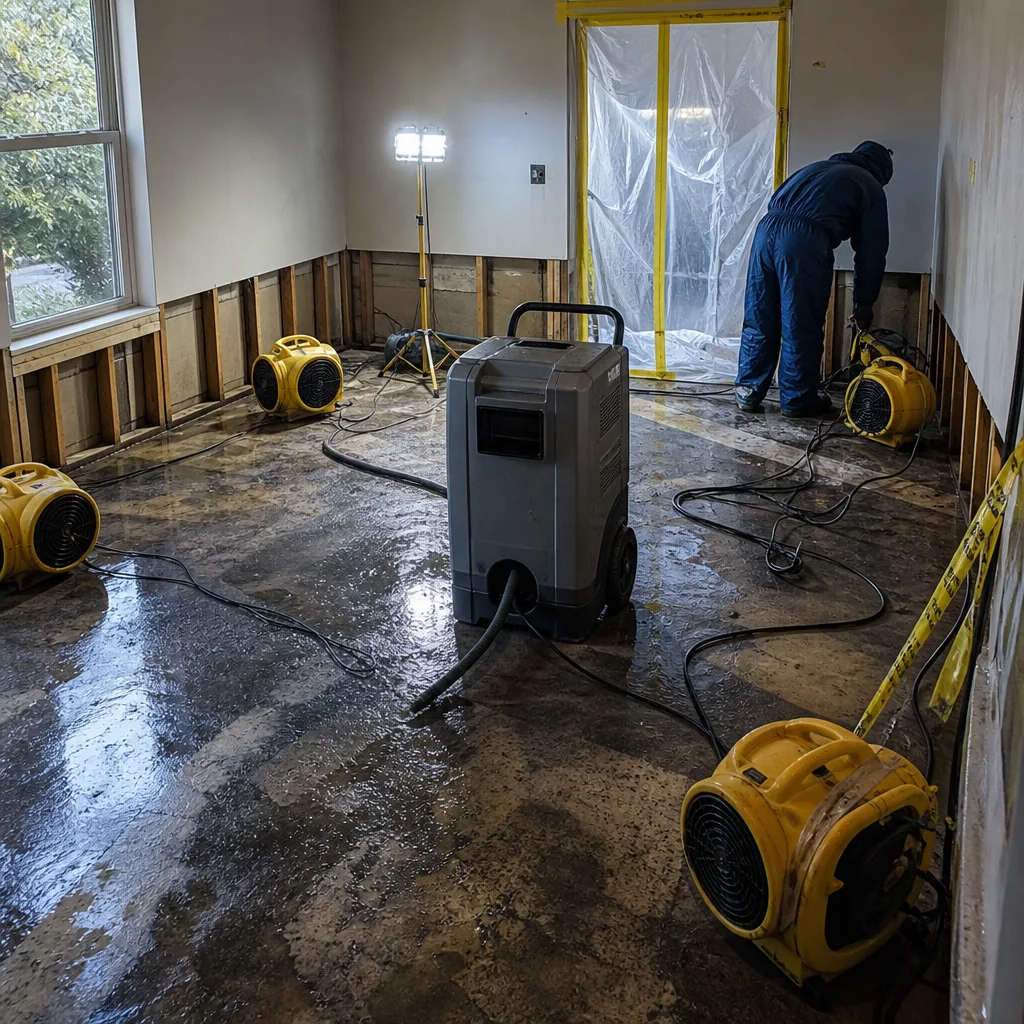
In Miami Beach, we respond to Alton Road and Collins Avenue addresses where king-tide saltwater backs through street drains into ground-floor condos and Art Deco retail spaces. The slab-on-grade construction means zero vertical drainage - moisture maps run wall-to-wall, and Category 3 protocol applies every time.
Brickell high-rises present a different profile: failed roof membranes on podium decks flood multiple units below, and the scope has to trace through concrete fire separations between floors. We coordinate with building management and multiple unit owners simultaneously, documenting each affected space separately for individual claims.
The Roads neighborhood, west of Brickell between SW 12th and SW 15th, holds 1950s-1970s CBS homes on tight lots with mature tree canopies. Root intrusion into sewer laterals causes Category 2 backups, and aging clay tile roofs fail in tropical downpours. We check for pre-1992 construction on every call here.
Coral Gables and Key Biscayne add wind-load variables: impact-rated openings are standard post-2002, but older homes may have retrofitted shutters that failed to seal properly, or threshold gaps that admit wind-driven rain around apparently intact doors. We document the opening condition, not just the interior damage.
Specialized Water Damage Restoration Services We Offer in Miami
Emergency Water Extraction
Truck-mounted and portable extraction systems remove standing water within hours of your call. In Miami’s high-humidity environment, extraction speed directly determines whether materials are salvageable - every minute of standing water extends drying time exponentially.
Structural Drying & Dehumidification
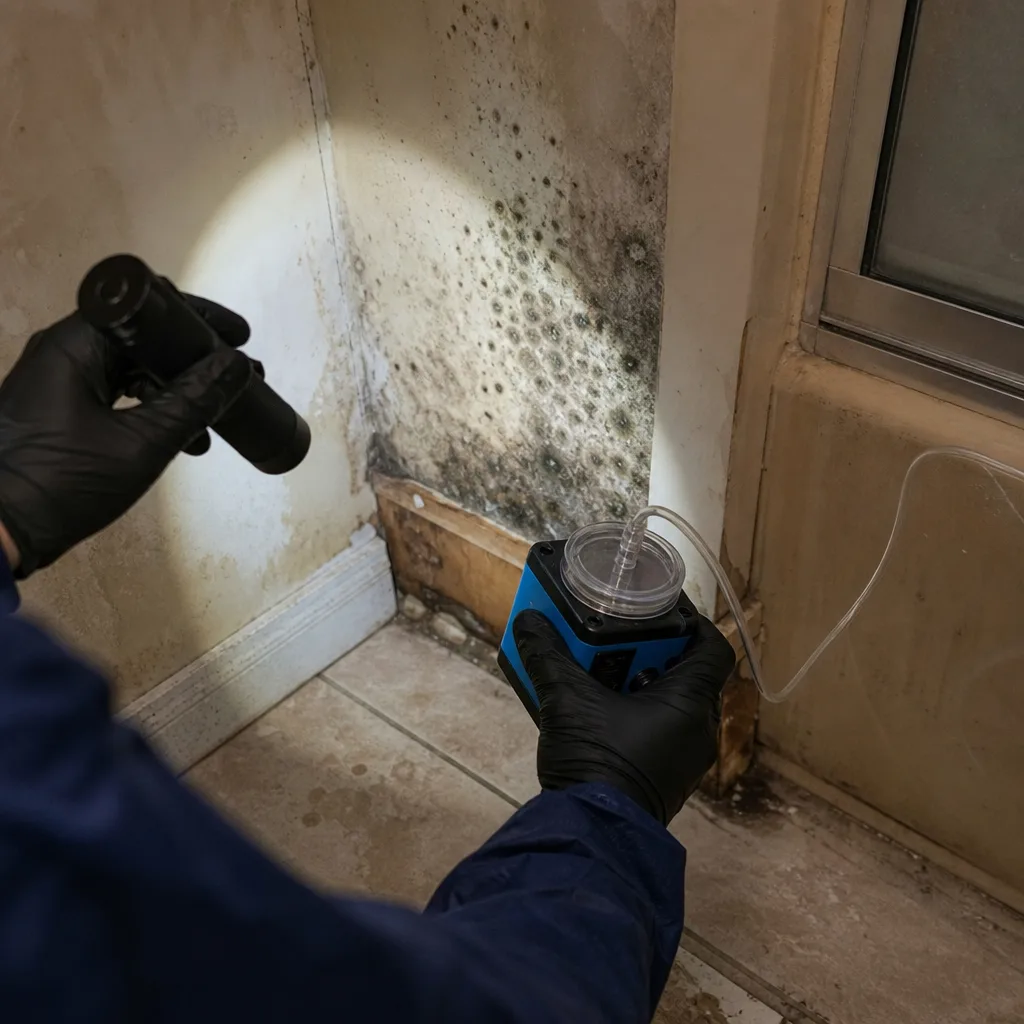
We size dehumidification to the specific moisture load, running Dri-Eaz and Phoenix units continuously with XPOWER air movers in a calculated drying chamber. Miami’s ambient humidity above 80% means cyclical operation - standard in drier markets - simply reintroduces moisture during off cycles. Our psychrometric logs prove the difference.
Flood Cleanup
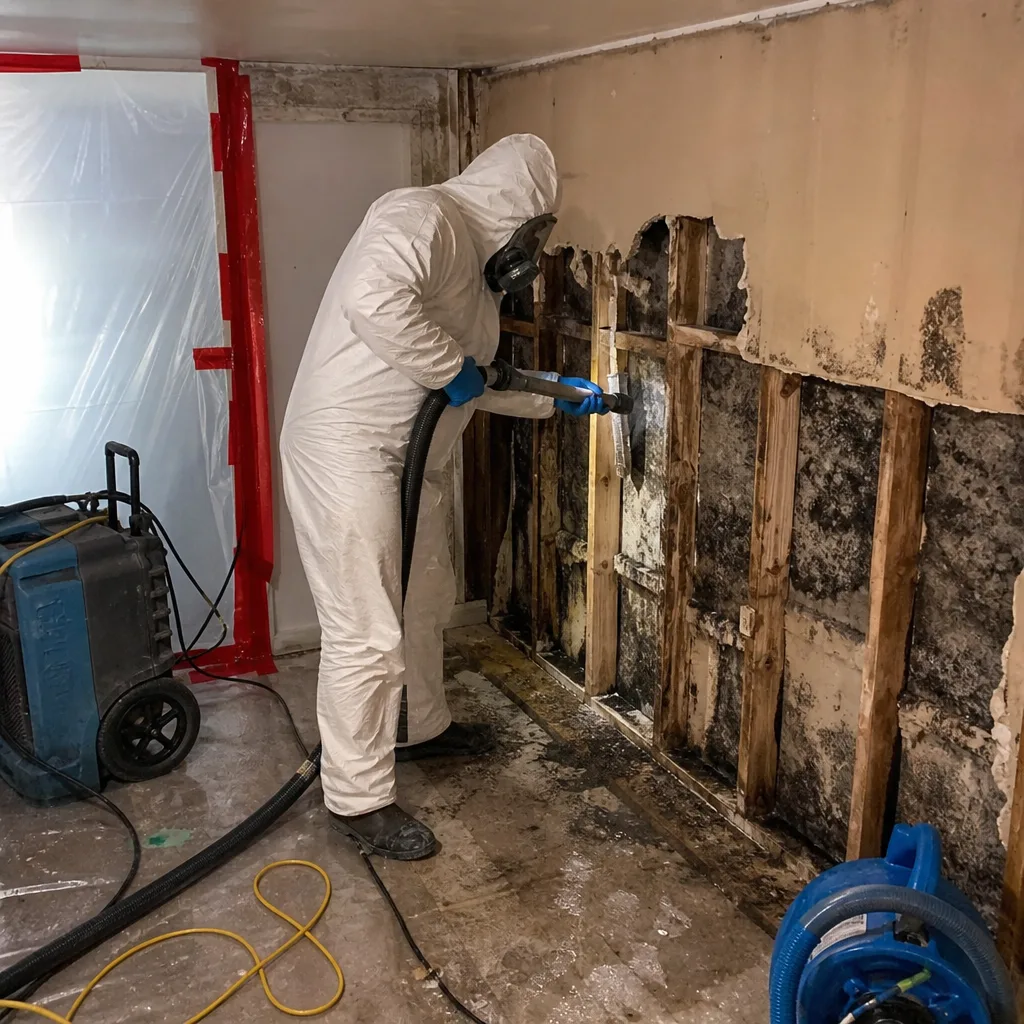
All Biscayne Bay surge, storm surge, and king-tide intrusion in Miami is Category 3 water. Full decontamination, complete removal of porous materials, and antimicrobial treatment of structural elements are mandatory, not optional. We treat it as Category 3 from the first bucket, every time.
Burst Pipe Restoration
Pre-1992 copper and galvanized supply lines in Miami-Dade’s older stock fail at joints and at the slab entry point. We extract, dry, and document the full migration path, including hidden runs through CBS block walls that can wick water 20 feet from the break point.

Ceiling & Roof Leak Water Damage
Flat and low-slope built-up roofs dominate Miami’s residential stock. Membrane failures at drains, parapets, and HVAC penetrations send water through multiple layers before appearing as a ceiling stain. We trace the full pathway, document the roof condition for your adjuster, and scope both the interior dry-out and the necessary roof repair.

What happens when you call
- 1
A real person answersNo phone trees - you reach a local pro.
- 2
You get an upfront price rangeHonest numbers before anyone is dispatched.
- 3
A background-checked tech heads outLicensed & insured, dispatched right away.
- 4
You approve before work beginsNothing starts until you say go.
Water Damage Restoration Costs in Miami, FL
Typical residential water damage restoration in Miami runs $2,800-$7,500 for Category 1 or 2 dry-out with salvageable materials. Category 3 flood cleanup, including all saltwater and king-tide events, ranges $4,500-$12,000 due to full drywall, carpet, and insulation removal plus decontamination. Commercial properties scale from $8,000-$25,000 depending on square footage and contamination level.
What moves the price: affected square footage, contamination category, construction era (pre-1992 homes often require more extensive material removal), and whether mold colonization has begun. Insurance typically covers sudden and accidental water damage from supply line breaks, storm intrusion through damaged openings, and most flood events with appropriate coverage. Gradual leaks and maintenance issues are usually excluded.
We deliver a written price before any work begins, every time, with no scope-creep additions once the crew is inside. Haven Standard, Clause 1. Bring a competitor’s written estimate and we’ll review it free - our Second Opinion service at no charge. Call (786) 250-0820 for your free visual inspection and firm scope.
We Also Serve Cities Near Miami
Our crews respond throughout the metro area, including Miami Beach with its king-tide vulnerability and Art Deco stock, Coral Gables and its pre-1992 Mediterranean Revival homes, Key Biscayne with its wind-exposed waterfront construction, and Hialeah with its dense 1960s-1980s CBS residential blocks. Same documentation standard, same live-answer dispatch, same written price before work begins.
Serving Miami, FL - Our Local Coverage Area
We’re based in the Miami area and know this community well. Use the map below to see our service coverage - if you’re nearby, we can almost certainly help.
Miami Water Damage Restoration Questions, Answered
Does a king-tide flood in Miami Beach count as clean water?
No. King-tide water pushing through street drains carries salt, petroleum residue, urban runoff, and biological contaminants from Biscayne Bay and the storm sewer system. Under IICRC S500, it is automatically Category 3 - grossly contaminated - requiring full decontamination and replacement of porous materials, not dry-out. Call (786) 250-0820 and we’ll classify the water and scope the work before any demolition starts.
Why does mold show up so fast after a Miami leak?
Miami’s year-round relative humidity above 80% and temperatures in the 70s-80s create optimal mold growth conditions 12 months a year, not just in summer. Colonization can begin within 24 hours of water intrusion, compared to 48-72 hours in drier climates. We run dehumidification and air scrubbing immediately, not after extraction completes, to compress that window. Call (786) 250-0820 for emergency response.
Do pre-1992 Miami-Dade homes need a different restoration scope after a storm?
Yes. Pre-1992 CBS construction lacks Florida Building Code-mandated roof-to-wall straps, impact-rated openings, and modern moisture barriers. The same wind event creates more infiltration pathways, and stucco-crack patterns differ from post-2002 construction. Our scopes account for construction era, documenting the additional wet area and structural vulnerability for your adjuster. Call (786) 250-0820 for a free inspection that notes your home’s code era.
Why do you run dehumidification continuously in Miami instead of cycling it?
Cycling dehumidification works in markets where ambient humidity drops significantly for portions of the day. Miami’s humidity rarely falls below 70% even in “dry” months, so an off-cycle reintroduces moisture into partially dried materials. Continuous operation maintains negative vapor pressure differential - the force that pulls moisture from materials into the air - until the drying log confirms structural dryness, not surface dryness. Call (786) 250-0820 and we’ll explain the readings on your specific job.
Do you handle the paperwork for a Category 3 flood claim?
Yes. We produce the photo record, moisture logs, drying documentation, and line-item scope that your adjuster needs to approve a Category 3 claim. We coordinate directly with your carrier and provide documentation formatted for Xactimate and Symbility platforms. The paperwork is included as standard, never an upsell. Call (786) 250-0820 to start the documentation process.
How fast can you actually get to my Miami property?
We commit to 45 minutes from call to crew on-site for emergency water damage in Miami, Miami Beach, Coral Gables, and Key Biscayne. Our lines are answered live 24 hours a day - no voicemail, no next-business-day callback while water is still moving. Call (786) 250-0820 now.
Can my family stay in the home during water damage restoration?
Category 1 and limited Category 2 jobs often allow occupancy with containment barriers and air scrubbers running. Category 3 losses, including all saltwater and sewage intrusion, require evacuation until decontamination is complete and clearance testing confirms safe air quality. We tell you which category applies before any work begins. Call (786) 250-0820 for a free assessment and honest guidance.
What should I do in the first 30 minutes after discovering water damage?
Shut off the water source if it’s a supply line break, turn off electricity to affected areas if safe to do so, and call (786) 250-0820. Do not enter standing water if electrical outlets are submerged. Do not attempt to vacuum water with a standard household vacuum. Move small valuables and documents to dry areas if you can do so safely. Our crew will handle extraction, moisture mapping, and documentation - your job is to stop the source and stay safe.
Written by Alicia Brennan, Owner at DryMark Restoration Miami, serving Miami with the Haven Standard since 2011.
Water Damage Restoration in Nearby Areas