
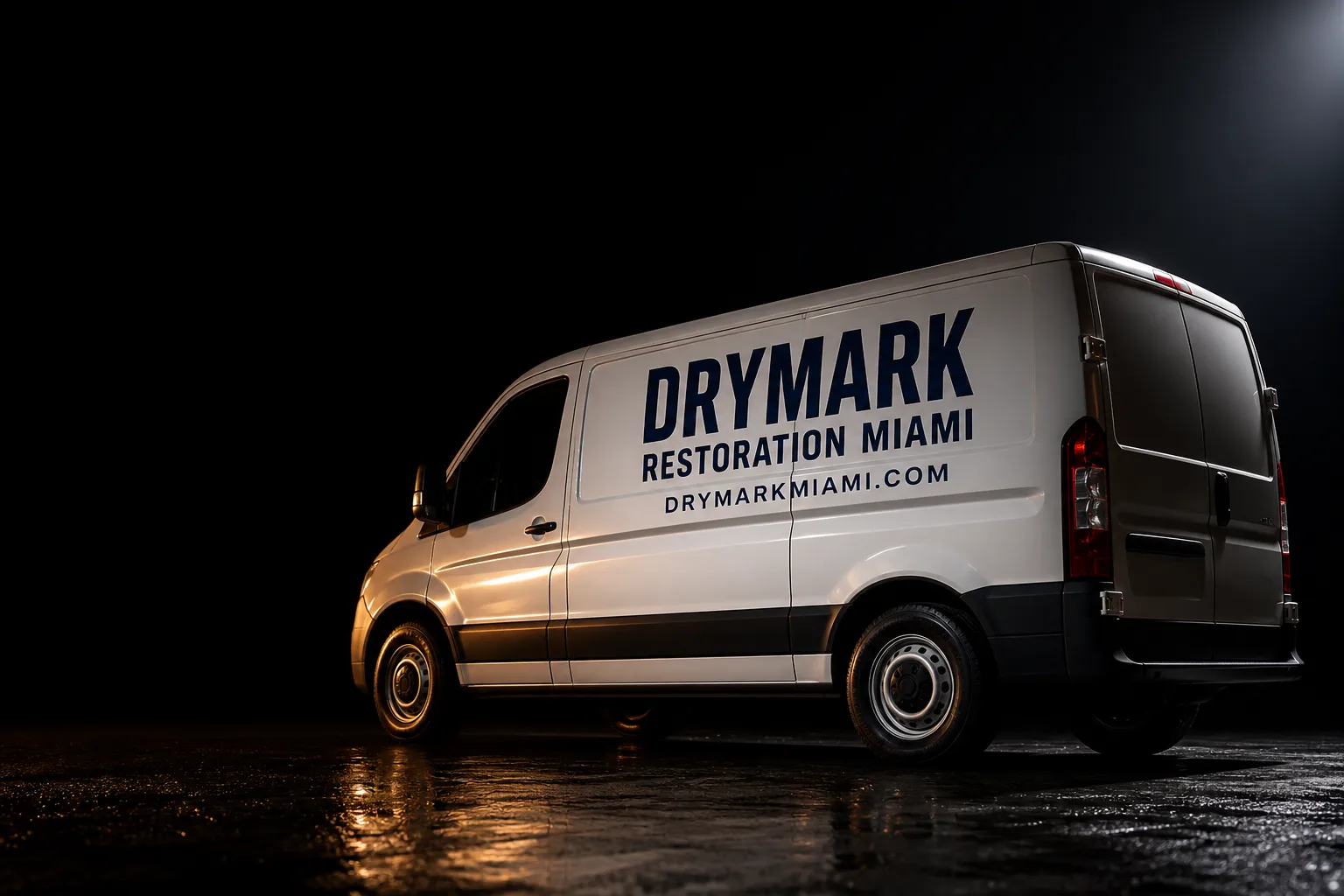
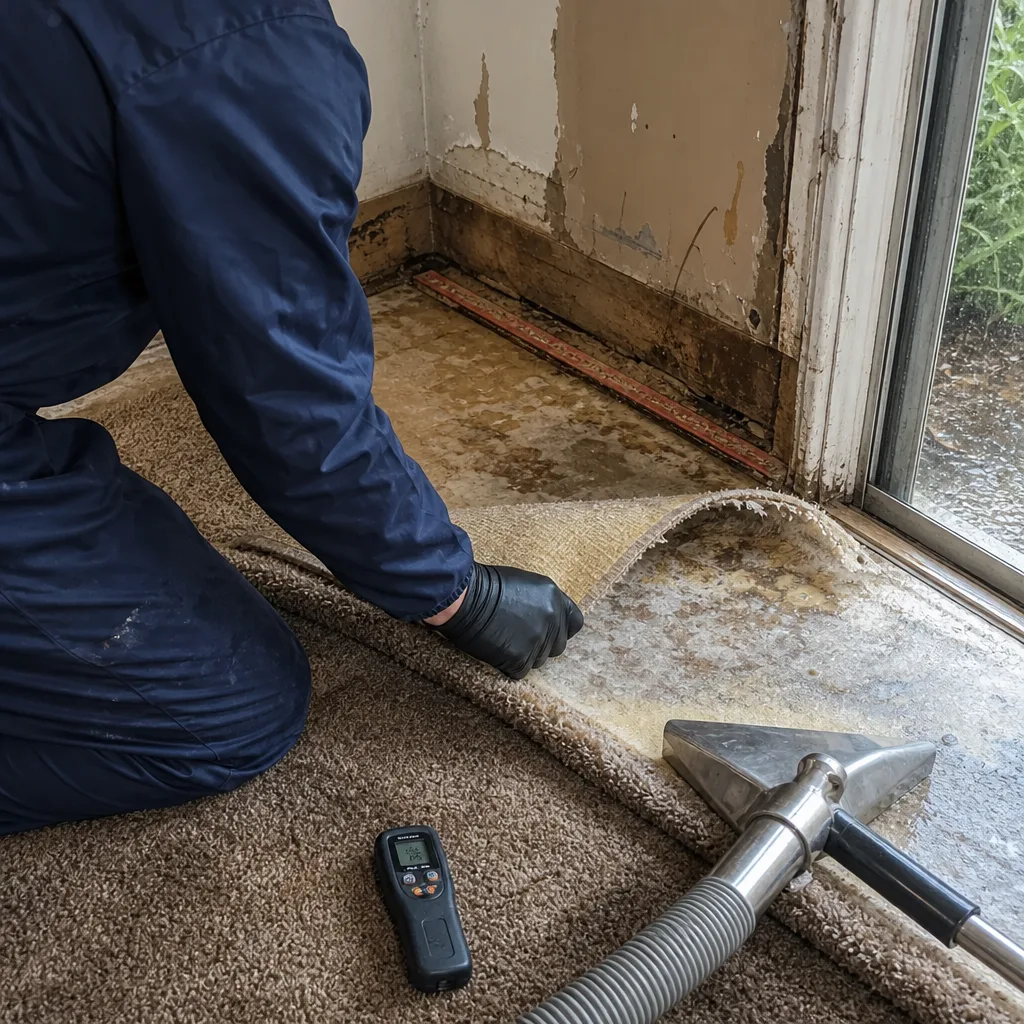
Free visual inspection and a written scope of work before any mitigation begins - photos, moisture readings, and drying logs go in your claim file
The scope we write is the scope we bill. Anything new gets shown to you, in writing, before we touch it.
24/7 Emergency Fire & Smoke Damage Restoration in Miami
Fire and smoke damage restoration in Miami typically costs $4,200-$18,500 depending on structural involvement, with emergency board-up and stabilization starting same-day. Crews from our Miami office dispatch within 45 minutes of your call to contain the loss before humidity-driven secondary damage sets in. Call (786) 250-0820 now - a live person answers, 24 hours a day, no voicemail.
The first hour after a fire determines how far smoke migrates through HVAC systems and how deeply soot embeds into porous materials. In Miami’s 80%+ ambient humidity, that same hour also decides whether airborne moisture begins reactivating smoke residues into acidic compounds that permanently etch glass and metal. We arrive with thermal imaging, moisture meters, and written scopes - not promises.
Understanding Fire & Smoke Damage Restoration Severity in Miami Properties
Fire damage in Miami-Dade County breaks into three severity bands we assess on every call. Light smoke exposure - protein residues from kitchen fires, dry smoke from fast-burning paper or wood - typically affects surfaces within the fire room and adjacent spaces through pressure-driven migration. Heavy soot and wet smoke, common in plastics fires or slow-burning upholstery, carries sticky, acidic particles that cling to concrete block (CBS) walls and stucco finishes typical of Miami’s 1950s-1980s housing stock. Structural fire damage compromises load-bearing elements, roof assemblies, or the flat built-up roofs common in older Miami neighborhoods.
Smoke migration follows the path of least resistance: open floor plans in post-2002 Florida Building Code homes spread residues faster than the compartmentalized rooms of pre-1992 construction. But those older CBS homes have another vulnerability. Pre-Andrew structures lack code-mandated roof-to-wall straps and impact-rated openings. A fire that compromises a window or door in a 1970s Coconut Grove home exposes the interior to wind-driven rain and, in low-lying areas, saltwater intrusion that automatically classifies as IICRC Category 3 water. The smoke job becomes a decontamination job. We see this at addresses along Biscayne Bay, in the Roads, and throughout Miami Beach ground-floor units where king tide flooding now arrives independent of storms.
Why Miami Property Owners Choose DryMark Restoration Miami
- 45-minute response commitment across Miami-Dade, from Brickell to Hialeah, with crews staged for immediate dispatch.
- 24/7 live answer - a real person, never an automated system or callback queue, because fire losses don’t wait for business hours.
- IICRC-certified crews holding FSRT (Fire and Smoke Restoration Technician) and WRT (Water Damage Restoration Technician) certifications, with AMRT (Applied Microbial Remediation Technician) credentials for the mold and Category 3 water work that follows Miami’s compounded losses.
- Free visual inspection with a written scope delivered before any work begins - Haven Standard, Clause 1.
- Direct insurance billing with photo-documented estimates, daily drying logs, and adjuster coordination included as standard.
- One team from board-up to reconstruction - no handoffs between mitigation and rebuild contractors that lose continuity on your claim file.
Our Fire & Smoke Damage Restoration Process
1. Inspection & Assessment
We document the full loss perimeter with thermal imaging, moisture mapping, and soot classification (dry, wet, protein, or fuel-oil smoke). In Miami, this assessment always includes checking for secondary water intrusion through compromised openings - especially in pre-1992 CBS homes where non-impact-rated windows and doors may have failed during the fire or subsequent storm exposure.
2. Emergency Board-Up & Tarping
Our crew secures the structure with plywood and weatherproof tarping rated for tropical wind loads. On flat or low-slope built-up roofs common in Miami’s older stock, we inspect membrane integrity before tarping - a compromised roof deck will channel rainwater directly into the fire-damaged cavity.
3. Water Extraction & Structural Drying
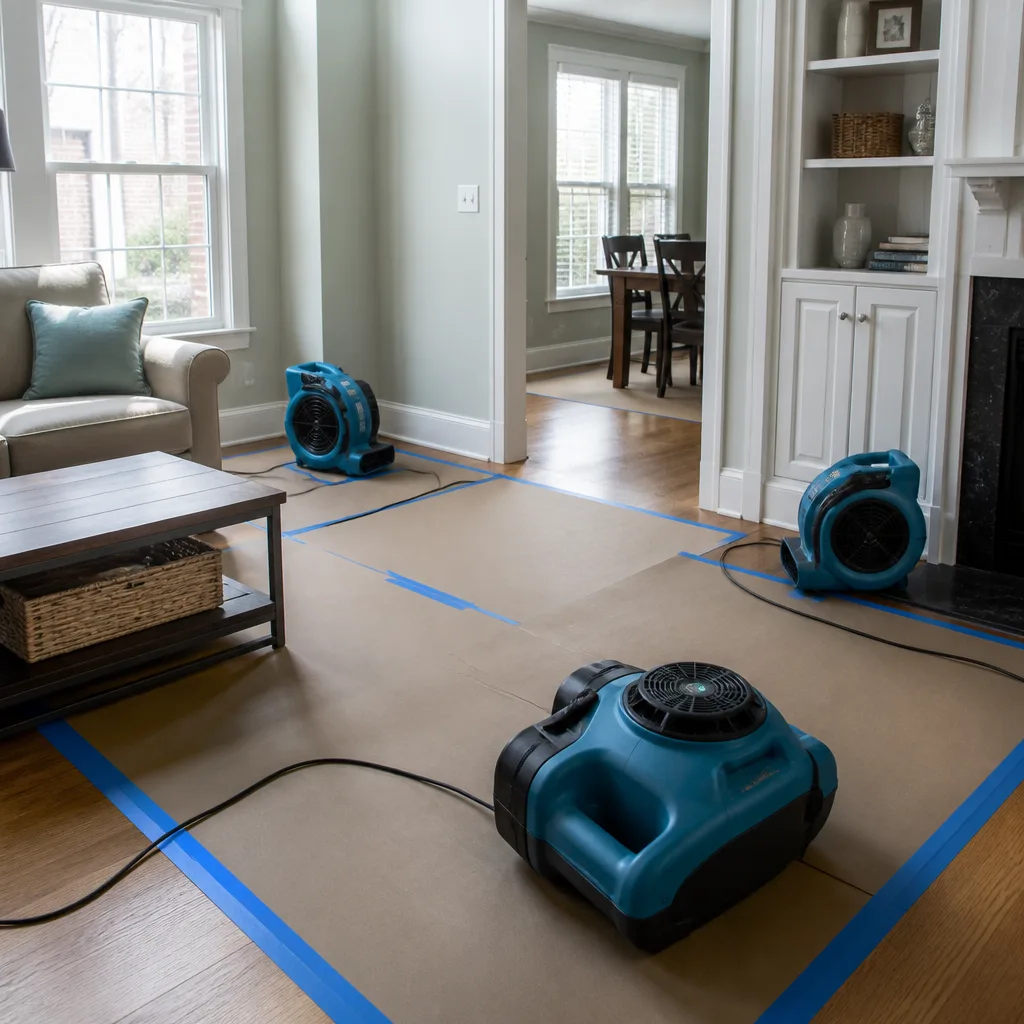
When fire suppression or storm intrusion introduces water, we deploy Dri-Eaz and Phoenix dehumidifiers with XPOWER air movers running continuously - not on timers - because Miami’s ambient humidity re-wets structures faster than equipment can recover in cyclical operation. Daily moisture logs track vapor pressure differential until materials hit dry standard.
4. Smoke & Soot Removal
Residue type determines chemistry: dry smoke responds to dry sponging and HEPA vacuuming; wet smoke requires solvent-based cleaning; protein fires need alkaline cleaners to cut grease films. On stucco and concrete block, we use surface-prep techniques that don’t drive residues deeper into porous substrates.
5. Odor Removal & Deodorization
Thermal fogging, ozone treatment, and hydroxyl generators neutralize odor molecules at the source - not masking agents. In Miami’s humidity, incomplete deodorization means odors reactivate within weeks; we verify elimination with olfactory testing and, where needed, sealed-unit containment testing.
6. Structural Fire Repair & Reconstruction
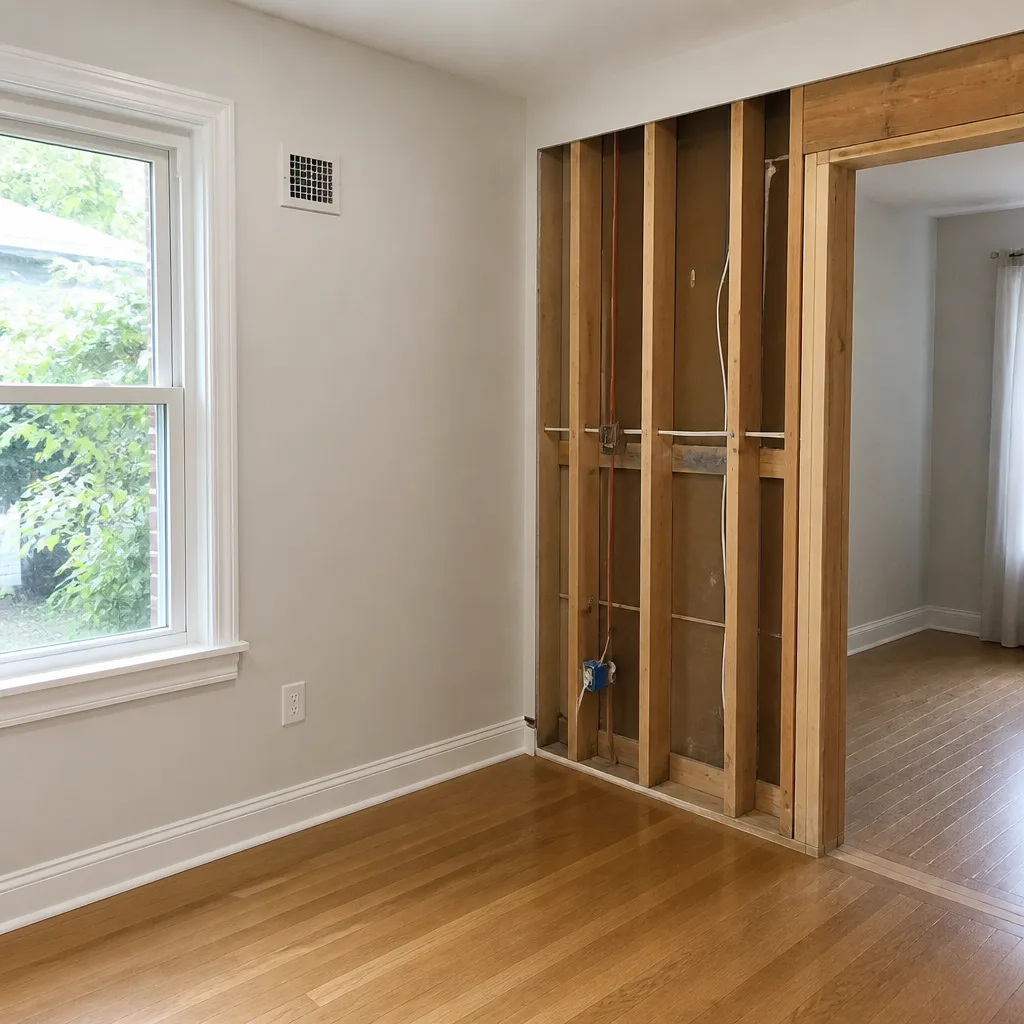
Scorched framing is replaced, not cosmetically covered. On pre-1992 homes, we assess whether current Florida Building Code requirements for impact-rated openings and roof-to-wall strapping trigger upgrade obligations during reconstruction - documented in the scope so your adjuster sees code-compliance costs as recoverable.
Need Emergency Fire & Smoke Damage Restoration in Miami Now?
Crews minutes away, answering live 24 hours a day. The sooner we start, the less it costs.
Working With Your Insurance Company
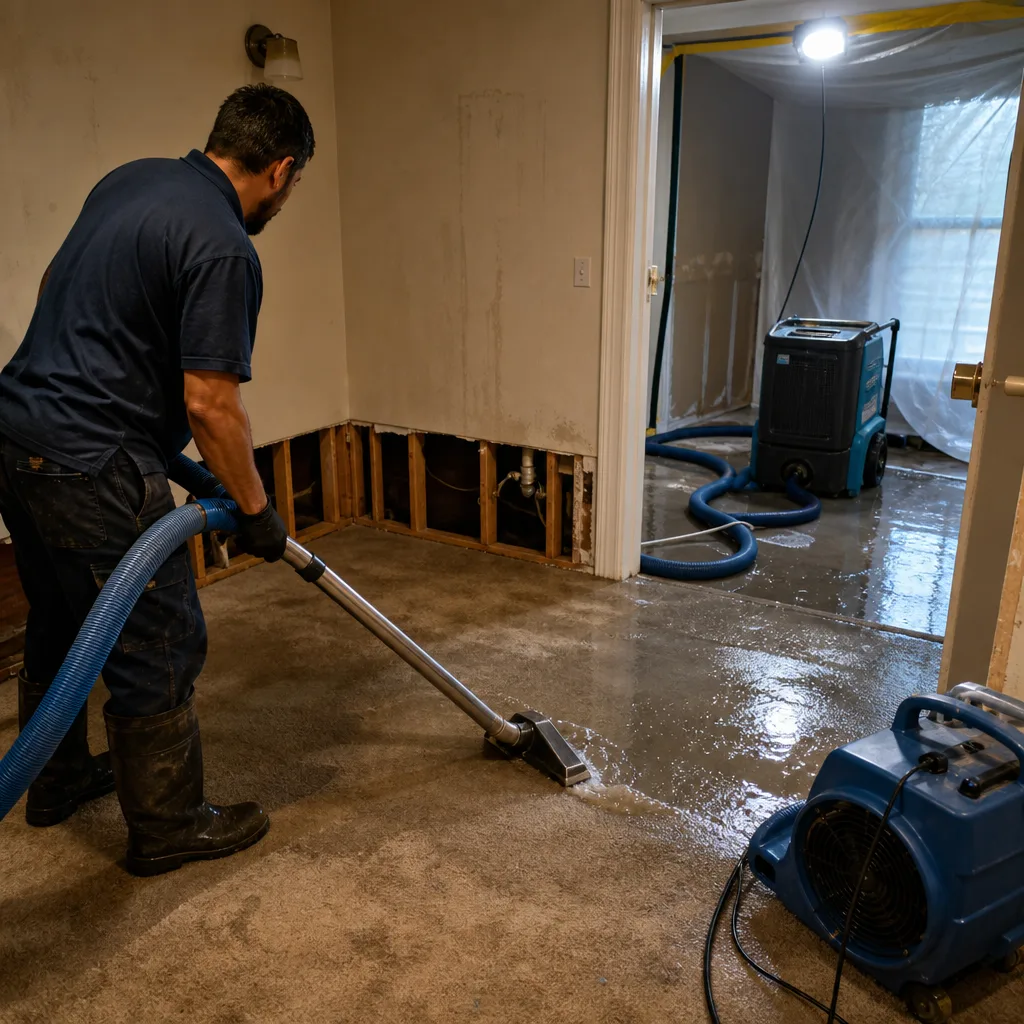
Insurance claims on fire losses fail when documentation gaps let adjusters dispute the scope. We close those gaps from the first hour. Our crew photographs every room, logs moisture readings at each structural contact point, and produces a line-item estimate in Xactimate format - the industry standard your adjuster already uses. Direct communication with your carrier means we answer questions about our drying logs, our equipment runtime documentation, and our material classifications before they become disputes.
The Haven Standard requires a written price before work begins - Clause 1 - and that written scope becomes the backbone of your claim file. No supplemental negotiations after the crew is inside. No scope-creep additions. What we document is what your insurer sees.
What We Provide Your Insurer
- Thorough documentation of the loss
- Photos of all damage, room by room
- Moisture readings and drying logs
- A detailed, line-item scope of work
- Direct coordination with your carrier
Built for Miami’s Loss Calendar
Miami’s fire and smoke damage calendar runs on two overlapping cycles: the Atlantic hurricane season (June-November) and the year-round humidity baseline that never drops below 70%. Summer electrical fires spike when air conditioning systems run continuously on aging 1960s-1980s wiring in CBS homes with original aluminum branch circuits. Lightning strikes on flat built-up roofs peak July through September, often igniting roof assemblies that smolder undetected until smoke penetrates ceiling cavities.
Winter brings its own pattern. December through February, space heater and holiday-decoration fires concentrate in older rental stock from Little Havana to Hialeah - structures with original cloth-insulated wiring and no grounded outlets. The dry season’s lower humidity (relatively speaking - still 65-70%) actually helps initial smoke containment, but cold fronts arriving with 40-knot winds can drive fires across open Florida-room additions common in post-war construction.
Spring king tides, now recurring October through December, add saltwater compounding to ground-floor fire losses in Miami Beach, Brickell, and the Roads. No storm required. Just astronomical high tides pushing brackish water through street drains while smoke residues still sit on surfaces.
Fire & Smoke Damage Restoration Across Miami’s Neighborhoods
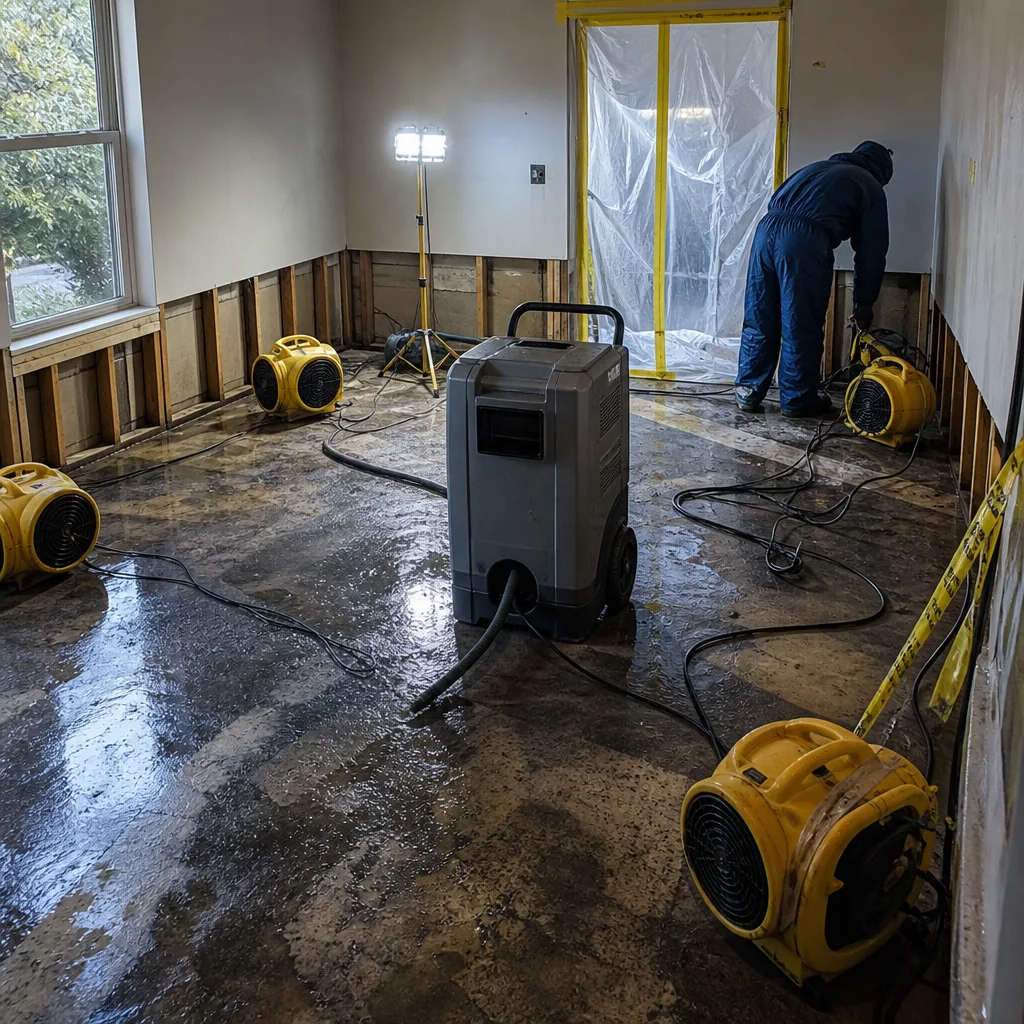
Each Miami corridor presents distinct fire-loss profiles based on construction era, elevation, and exposure.
Miami Beach ground-floor condos and Art Deco walk-ups face the compounding pattern we’ve documented repeatedly: kitchen or electrical fire, then king tide or storm surge introducing Category 3 saltwater through the same compromised envelope. The slab-on-grade construction leaves no basement for water to collect - it spreads across the entire footprint, wicking into drywall and framing that smoke has already contaminated. Replacement, not salvage, is the only defensible scope.
Brickell high-rises built post-2002 generally contain fires to individual units with rated assemblies and sprinkler systems. But the loss shifts to contents - high-value furnishings, electronics, and built-in millwork in units with significant square footage. Our pack-out crews inventory, photograph, and transport contents to climate-controlled cleaning facilities while structural work proceeds. The building’s HOA often requires specific insurance documentation formats; we produce them.
The Roads neighborhood and Coconut Grove hold Miami’s densest concentration of pre-1992 CBS homes - the 1968 field-vignette property type we encounter regularly. Original jalousie windows, non-impact-rated sliding glass doors, and unstrapped roof connections mean fire damage often includes wind-water intrusion paths that post-Andrew codes eliminated. We scope for structural upgrades that code-compliance triggers during reconstruction.
Hialeah and Little Havana rental stock includes converted garage apartments and unpermitted additions with substandard electrical. Fires in these structures spread through common attic spaces in ways that violate original compartmentalization. Our assessment maps the full migration path, including concealed spaces where smoke traveled through soffits and eave vents.
Specialized Fire & Smoke Damage Restoration Services We Offer in Miami
Fire Damage Cleanup
We remove charred debris, evaluate structural integrity of scorched framing, and establish containment barriers to prevent cross-contamination. In Miami’s CBS construction, we test concrete block cores for heat spalling - a failure mode where intense fire temperatures fracture the block surface, compromising structural capacity even when exterior finishes look intact.

Smoke & Soot Removal
Different fuels produce different residues. Plastics and synthetic fabrics generate wet, acidic smoke that etches metal and glass within hours. Kitchen protein fires leave near-invisible greasy films that corrode finishes over weeks. We identify the residue type before selecting chemistry - no all-purpose approaches that drive residues deeper or miss the active agent.
Odor Removal & Deodorization
Miami’s humidity makes odor control a structural drying problem, not just an air treatment problem. Porous materials that retain odor molecules at 80% relative humidity will re-release them when conditions spike. We dry structures to standard before deodorizing, then verify with containment testing - not nose checks.
Contents Cleaning & Pack-Out
Smoke-damaged contents require triage: non-porous items clean on-site with ultrasonic or solvent techniques; porous items (upholstery, textiles, paper) transport to our facility for specialized processing. We photograph every item before it leaves your property - documentation your adjuster needs and your claim file requires.
Emergency Board-Up & Tarping
Our board-up crews carry plywood rated for tropical wind exposure and tarping with reinforced tie-downs. On Miami’s flat roofs, we inspect parapet walls and coping metal before securing - a common failure point where wind uplift separates the roof membrane and creates new water intrusion paths during the tarping period.
Structural Fire Repair
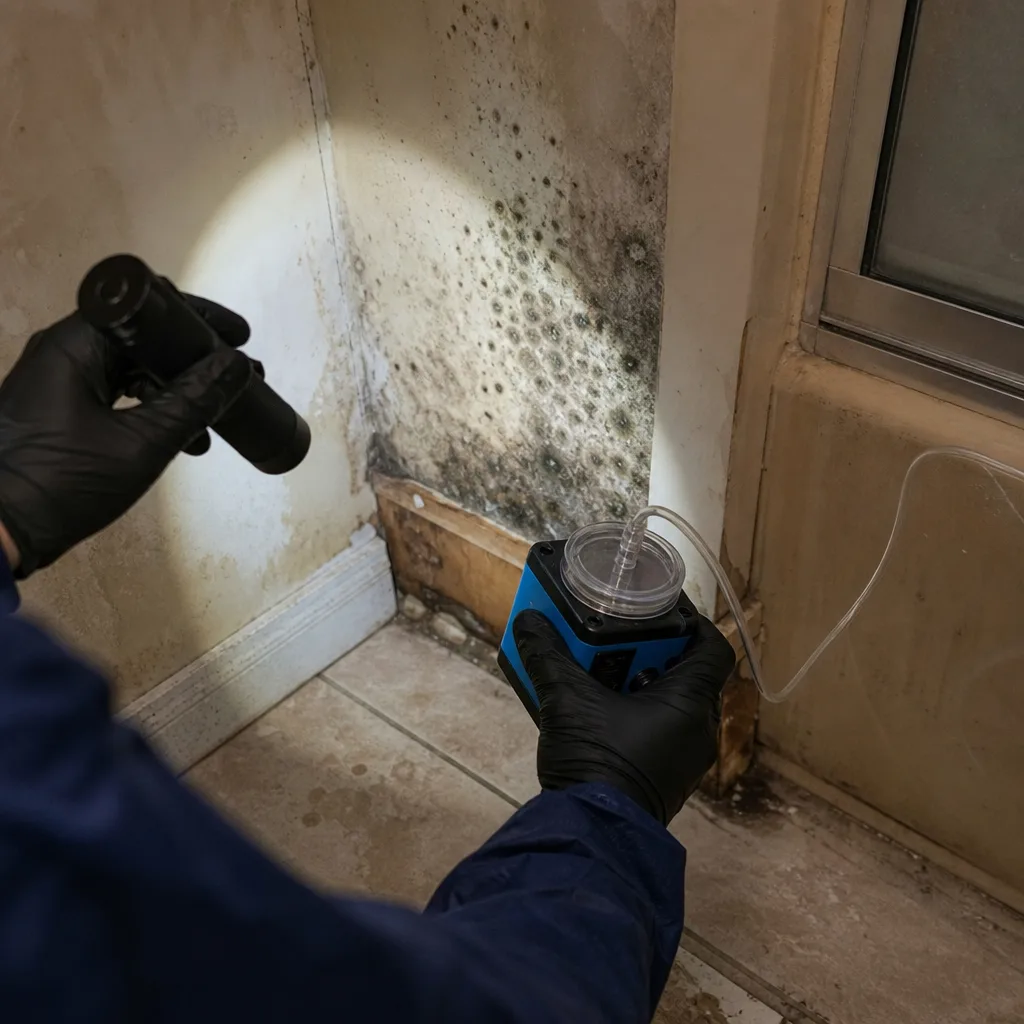
Reconstruction after fire damage in Miami-Dade must account for the county’s amended Florida Building Code requirements. Pre-1992 homes rebuilt to 50% of assessed value trigger full code compliance including impact-rated openings and roof-to-wall straps. We document these triggers in the scope so your insurer recognizes code-upgrade coverage.
What happens when you call
- 1
A real person answersNo phone trees - you reach a local pro.
- 2
You get an upfront price rangeHonest numbers before anyone is dispatched.
- 3
A background-checked tech heads outLicensed & insured, dispatched right away.
- 4
You approve before work beginsNothing starts until you say go.
Fire & Smoke Damage Restoration Costs in Miami, FL

Typical fire and smoke restoration in Miami runs $4,200 for light smoke cleaning in a single room with no structural damage, to $18,500+ for multi-room losses with compromised framing and Category 3 water compounding. Emergency board-up and stabilization typically falls between $800-$2,400 depending on opening count and roof access. Contents pack-out and cleaning adds $1,200-$4,500 based on volume and contamination level.
What moves the price: square footage affected, soot residue type (protein fires require more labor hours than dry smoke), structural involvement requiring engineered repair, and whether secondary water intrusion triggers full Category 3 decontamination. Insurance typically covers direct fire and smoke damage plus water damage from suppression; our written scope separates these line items for adjuster clarity.
We deliver a firm, written price before any work begins - Haven Standard, Clause 1. No exceptions. Bring a competitor’s written estimate and we’ll review it free under our Second Opinion policy.
We Also Serve Cities Near Miami
Our crews respond from the Miami office to Miami Beach, Coral Gables, Key Biscayne, and Hialeah with the same 45-minute commitment and live-answer dispatch. Each municipality maintains its own building department with distinct permit requirements for fire reconstruction - we file correctly the first time, whether it’s Miami-Dade County, City of Miami Beach, or Coral Gables building officials reviewing the scope.
Serving Miami, FL - Our Local Coverage Area
We’re based in the Miami area and know this community well. Use the map below to see our service coverage - if you’re nearby, we can almost certainly help.
Miami Fire & Smoke Damage Restoration Questions, Answered
After a fire in my Miami Beach ground-floor condo, why is the job bigger than just the room that burned?
Smoke migrates through pressure differentials and HVAC systems to rooms that never saw flame, and in Miami Beach the elevation and tidal patterns mean brackish water often intrudes through the same compromised openings - automatically Category 3 under IICRC S500, requiring full decontamination and material replacement beyond the smoke work alone. Call (786) 250-0820 and we’ll assess the full perimeter with moisture mapping included.
Why does smoke damage in a pre-1992 Miami-Dade CBS home behind impact windows get diagnosed differently than a post-2002 home?
Pre-1992 homes lack Florida Building Code-mandated roof-to-wall straps and impact-rated openings, so the same fire event may include hidden structural vulnerability and water intrusion paths that post-2002 construction eliminates; our scope includes assessment of these code-era differences because they affect both safety and insurability of the repair. We document this for your adjuster as a line-item structural evaluation.
Our Miami home had a small kitchen fire and we’re worried about odor - does the 80%+ humidity count matter?
Yes - high humidity reactivates smoke residues and extends odor retention in porous materials, which is why we dry structures to IICRC standard before deodorizing and verify with containment testing rather than surface treatments alone. The moisture reading matters as much as the soot classification. Call (786) 250-0820 for a free inspection with documented humidity and residue assessment.
What’s the first thing your crew does when smoke and soot damage meets storm-driven water intrusion in Miami?
We establish containment and classify the water - if it’s saltwater or brackish, it’s Category 3 and replacement protocols apply to any porous material it contacted, regardless of whether the smoke damage alone might have allowed cleaning; this classification drives the scope before any cleaning begins. The photo record starts immediately, with moisture readings at every structural contact point.
Can you board up and tarp a fire-damaged Miami roof while we’re still deciding on the full rebuild?
Yes - emergency board-up and tarping is a standalone service we provide immediately to prevent secondary damage, with a separate written scope and price; the tarping buys time for adjuster review and scope development without exposing the structure to Miami’s tropical rain and wind. We use wind-rated tie-downs appropriate for the building’s exposure zone.
How fast can your crew actually get to my Miami property after a fire?
We commit to 45 minutes from call to on-site anywhere in our Miami-Dade service area, with live dispatch 24 hours a day; crews carry board-up materials, moisture detection equipment, and initial containment supplies so stabilization begins immediately, not after a return trip. Call (786) 250-0820 - a person answers, not a queue.
Will insurance cover the full fire restoration, or will I pay out of pocket for some parts?
Homeowners policies typically cover direct fire and smoke damage, water damage from suppression efforts, and code-required upgrades triggered by reconstruction; our written scope separates these coverage categories line by line, and we coordinate directly with your adjuster to document each element before work begins. The Haven Standard requires this documentation as a standard deliverable, never an upsell.
What should I do in the first 30 minutes after the fire is out?
Do not re-enter until the fire department clears the structure; then call us at (786) 250-0820 while avoiding any HVAC activation that would distribute smoke residues; if safe and accessible, shut off the electrical main to prevent ignition of compromised wiring, but do not touch damaged panels or attempt any electrical work yourself. Our crew handles the hazard assessment as a documented first step.
Written by Alicia Brennan, Owner at DryMark Restoration Miami, serving Miami under The Haven Standard since 2011.
Fire & Smoke Damage Restoration in Nearby Areas
