
Free visual inspection and a written scope of work before any mitigation begins - photos, moisture readings, and drying logs go in your claim file
The scope we write is the scope we bill. Anything new gets shown to you, in writing, before we touch it.
24/7 Emergency Fire & Smoke Damage Restoration in Miami Beach
A fire in your Miami Beach home, whether a contained kitchen flare-up or a full-structure event, demands immediate response to prevent secondary damage from smoke migration, soot corrosion, and moisture intrusion. Call (786) 250-0820 now - our Fire & Smoke Damage Restoration team answers live, 24 hours a day, with crews dispatched across the Miami Beach barrier island. We arrive with a written scope in hand, not a blank check. The first hour determines whether smoke residues set permanently into porous surfaces and whether hidden moisture pockets begin the mold cycle that Miami Beach’s near-100% summer humidity accelerates to 24-48 hours.
Understanding Fire & Smoke Damage Restoration Severity in Miami Beach Properties
Fire damage in Miami Beach follows a severity gradient that our crews document on arrival. A Class A fire (ordinary combustibles - wood, paper, textiles) leaves dry, powdery soot that responds to HEPA vacuuming and dry-sponge cleaning. A Class B or K fire (flammable liquids, cooking oils) produces wet, sticky residues requiring solvent-based cleaning agents and often stripping of affected substrates. Protein fires from burnt food deposit nearly invisible, extremely pungent residues that penetrate cabinetry and wall cavities.
Smoke migration follows pressure differentials and HVAC pathways. In Miami Beach’s 1920s-1940s Art Deco buildings - flat roofs, unreinforced concrete block, original cast-iron plumbing chases - smoke travels through shared wall cavities and elevator shafts with minimal obstruction. Mid-century towers along Collins Avenue present their own pattern: centralized air handling distributes odor-bearing particles floor to floor unless ductwork is immediately sealed. We map migration with thermal imaging and document every affected room before any cleaning begins.
Severity escalates when fire suppression water meets Miami Beach’s chronic salt-air exposure. Chloride-laden moisture on steel components - rebar, door hardware, garage-door springs - initiates oxidation within hours. Our assessments classify not just fire damage but secondary corrosion risk, flagging components for replacement with galvanized or stainless equivalents rather than cleaning and hoping.
Why Miami Beach Property Owners Choose DryMark Restoration Miami
- 45-minute response commitment to Miami Beach addresses - our crews stage from the South Florida metro office with equipment loaded, not dispatched from a warehouse across the county.
- 24/7 live answer - a real person, never an automated system or voicemail tree, picks up every call to (786) 250-0820.
- IICRC-certified crews holding FSRT (Fire & Smoke Restoration Technician) and WRT (Water Damage Restoration Technician) certifications - the dual credential matters when suppression water compounds fire loss.
- Free visual inspection with a written scope delivered before any work begins, per Haven Standard, Clause 1.
- Direct insurance billing with photo-documented estimates formatted to carrier specifications - we coordinate with your adjuster, not dump paperwork on you.
- One team from board-up to reconstruction - no handoffs between mitigation and rebuild contractors, no gaps in documentation.
Our Fire & Smoke Damage Restoration Process
1. Inspection & Assessment
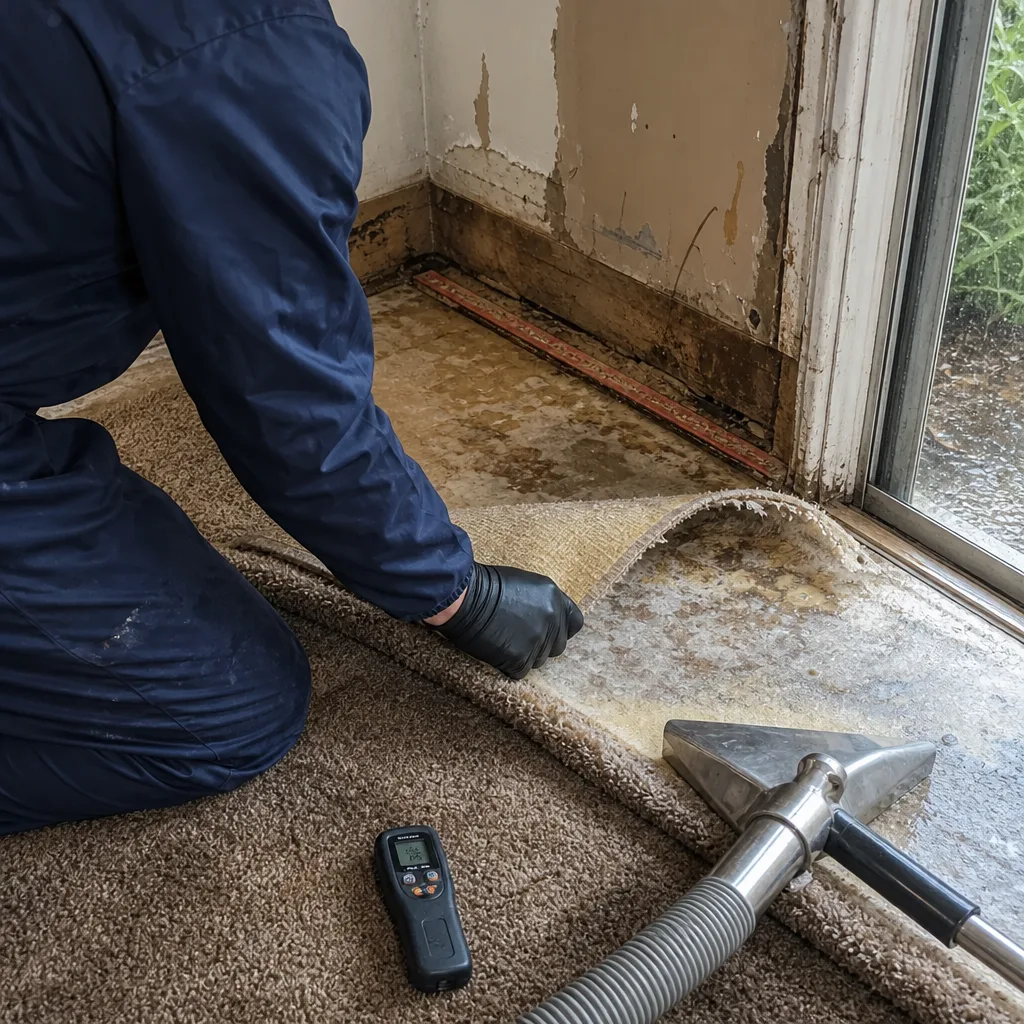
We arrive with thermal imaging cameras, moisture meters, and hygrometers to map fire, smoke, and water damage across all affected spaces. In Miami Beach, this includes checking garage and below-grade mechanical rooms for pre-existing salt-air corrosion that fire suppression may have accelerated. Every reading is logged to the drying record.
2. Emergency Board-Up & Tarping
Broken windows, compromised roofs, and fire-damaged doors are sealed with fire-rated plywood and weatherproof tarps. On Miami Beach’s barrier island, we factor tidal schedules into board-up planning - a king tide can inundate a ground-floor garage before repairs dry, so we seal at grade and install temporary sump protection where needed.
3. Water Extraction & Structural Drying
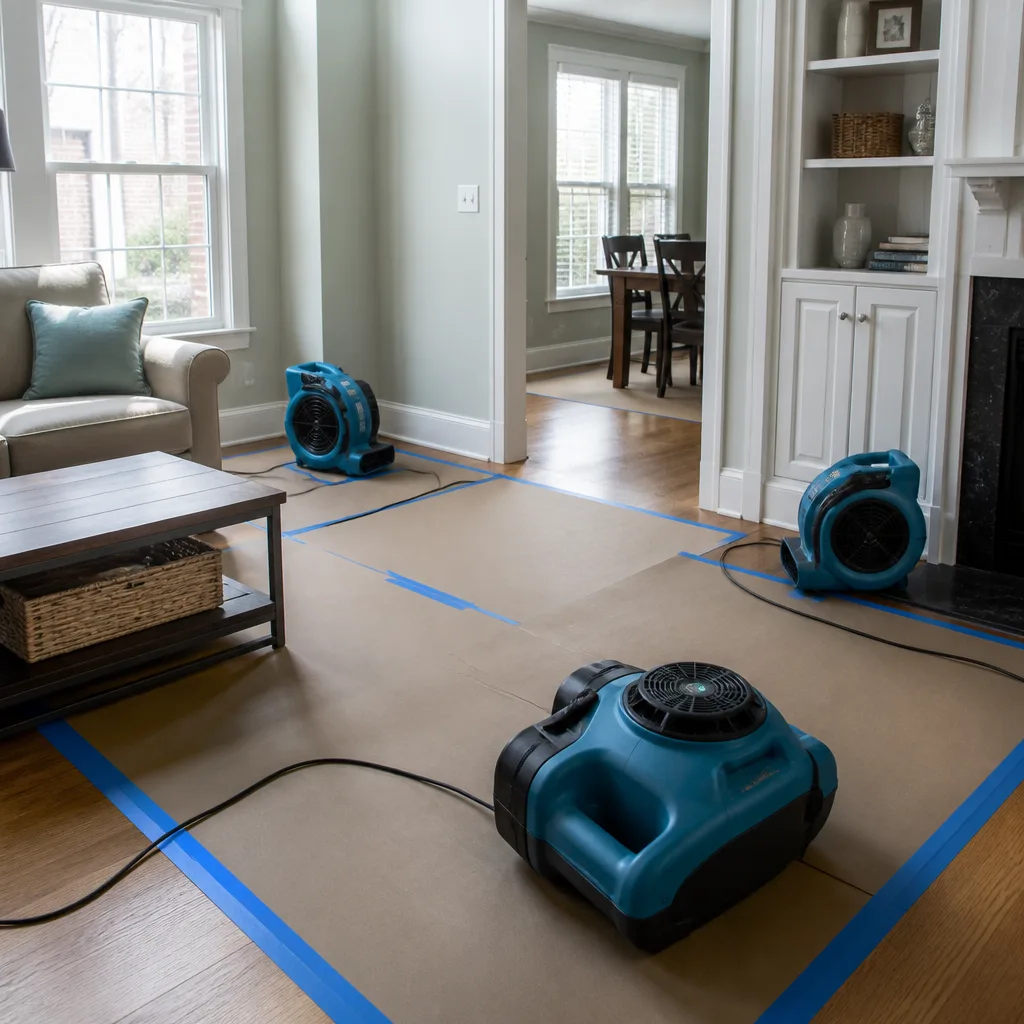
Suppression water is extracted with truck-mounted systems, then we deploy Dri-Eaz and Phoenix LGR dehumidifiers paired with XPOWER air movers to establish psychrometric conditions - controlled temperature and humidity that pull bound moisture from concrete block and structural concrete. Daily moisture logs track progress to IICRC S500 standards.
4. Smoke & Soot Removal
Dry soot receives HEPA vacuuming and dry-sponge cleaning; wet or protein residues require solvent cleaning or media blasting. We match cleaning chemistry to substrate - alkaline cleaners for wood, solvent-based for metal, low-pH for natural stone common in Art Deco lobbies. Containment barriers prevent cross-contamination during this phase.
5. Odor Removal & Deodorization
Surface cleaning alone rarely eliminates fire odor. We deploy hydroxyl generators and thermal fogging to neutralize odor molecules in wall cavities, ductwork, and porous materials. In Miami Beach’s humid climate, we extend dehumidification through this phase - re-moistened soot revives odor and restarts corrosion on garage hardware.
6. Repairs & Restoration
Final reconstruction returns affected spaces to pre-loss condition. Historic district work requires Miami Beach Historic Preservation Board approval for exterior materials and methods - we prepare documentation packets and coordinate inspection scheduling, which extends timelines but prevents costly redo work.
Need Emergency Fire & Smoke Damage Restoration in Miami Beach Now?
Crews minutes away, answering live 24 hours a day. The sooner we start, the less it costs.
Working With Your Insurance Company
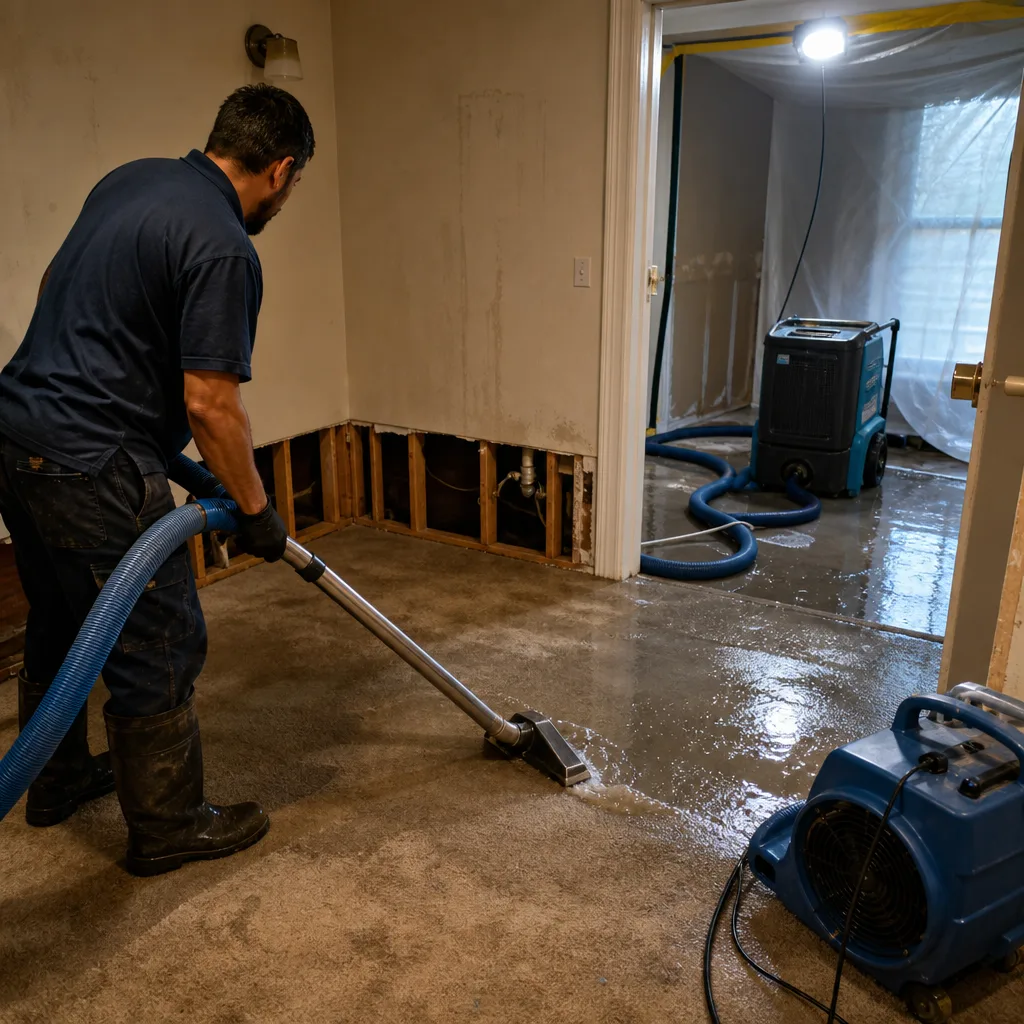
Insurance claims for fire damage succeed or fail on documentation quality. Our process begins photo documentation from the first hour - every room, every angle, every damaged item - with timestamps and moisture readings attached. We produce industry-standard estimates in Xactimate format, the same software used by most major carriers, which reduces back-and-forth and speeds approval.
Your adjuster receives direct communication from our documentation team, not a game of telephone through you. We explain line items, justify equipment day counts with drying logs, and supplement when hidden damage is discovered during demolition. The goal is a payable claim on first submission.
What We Provide Your Insurer
- Thorough documentation of the loss
- Photos of all damage, room by room
- Moisture readings and drying logs
- A detailed, line-item scope of work
- Direct coordination with your carrier
Built for Miami Beach’s Loss Calendar
Miami Beach’s fire damage calendar runs on factors invisible to inland contractors. Winter dry season (December-April) brings space-heater and electrical fires in aging Art Deco wiring, plus kitchen fires from holiday cooking in high-turnover rental units. Spring sees lightning strikes on flat and low-slope roofs, with subsequent rain intrusion through compromised roofing membranes. Summer combines peak air-conditioning electrical load - overloaded circuits in buildings with original 1940s service panels - with the hurricane season’s backup generator incidents and candle/fireplace use during storm outages.
Compounding every season: the barrier island’s salt air corrodes electrical connections, increasing short-circuit fire risk in outdoor panels, pool equipment, and dock wiring. Post-fire, that same salt air attacks exposed steel while humidity keeps surfaces moist enough to sustain corrosion. Our crews plan for this cycle, not just the fire itself.
Fire & Smoke Damage Restoration Across Miami Beach’s Neighborhoods
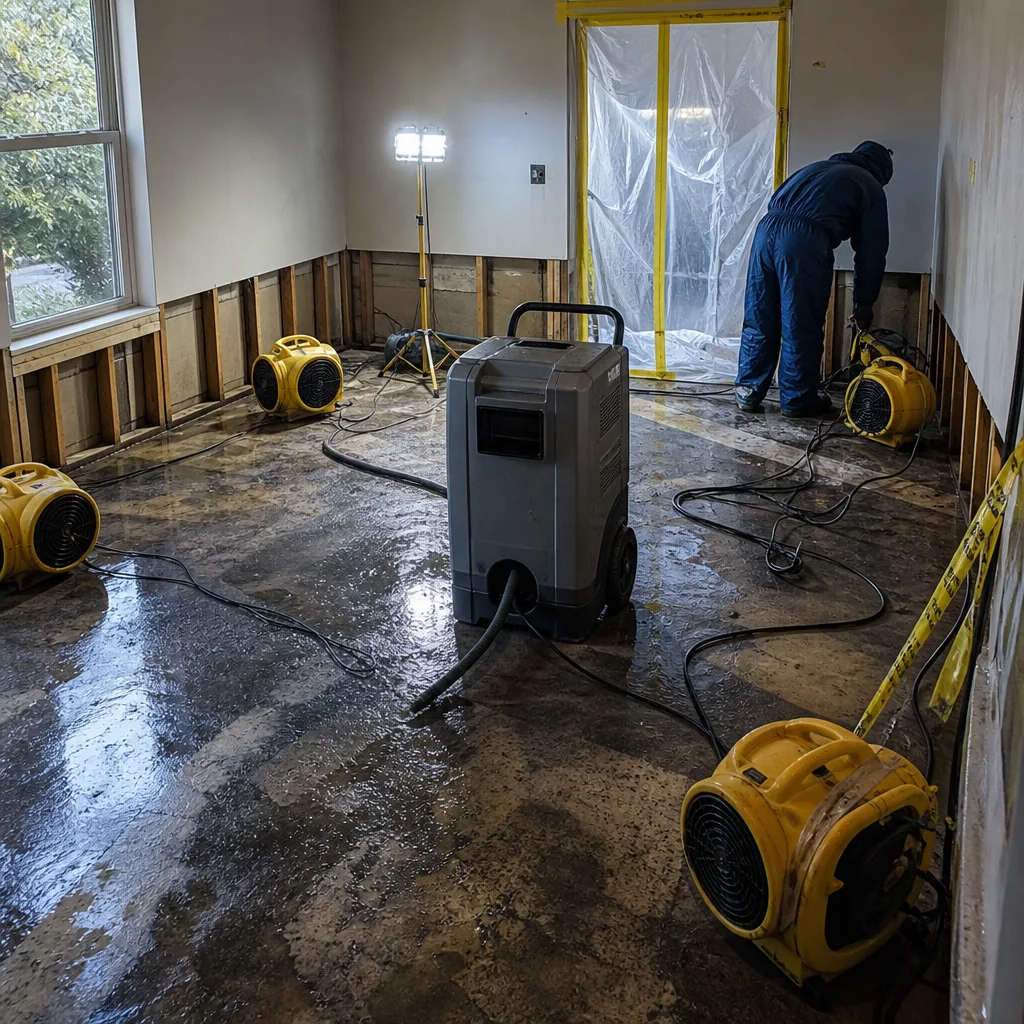
South Beach (SoBe) - The Art Deco Historic District’s 1920s-1940s masonry buildings present unique constraints. Flat roofs with original tar-and-gravel membranes trap suppression water; shared wall cavities in these unreinforced concrete block structures channel smoke between units. Restoration here requires Historic Preservation Board coordination for any exterior work, from window replacement to facade cleaning. We’ve handled board-up and smoke remediation on Ocean Drive properties where the documentation packet alone took ten days to approve.
Mid-Beach / Collins Avenue corridor - Mid-century and modern towers with centralized HVAC systems. Smoke migrates through ductwork to unaffected floors unless dampers are sealed immediately. Garage levels in these buildings flood regularly from king tides; post-fire, we inspect elevator pits and below-grade electrical rooms where moisture lingers for weeks.
North Beach / Normandy Isles - A mix of 1950s garden apartments and single-family homes on fill. Lower-lying than SoBe, these neighborhoods see more tidal intrusion. Fires here often involve older electrical systems and original aluminum wiring that complicates both cause determination and repair permitting.
Indian Creek / bay-side streets - Waterfront single-family and townhouse properties with direct exposure. Salt spray is most concentrated here; garage-door hardware, outdoor electrical, and dock systems corrode fastest. Post-fire board-ups must account for storm-surge potential even outside hurricane season.
Specialized Fire & Smoke Damage Restoration Services We Offer in Miami Beach
Fire Damage Cleanup
From contained kitchen fires to full-room losses, we remove debris, evaluate structural integrity, and classify salvageable versus unsalvageable contents. In Miami Beach’s historic stock, this includes testing original plaster and terrazzo floors for heat damage that isn’t visually obvious.
Smoke & Soot Removal
Different fire types produce different residues requiring different chemistries. We identify and document soot type before cleaning begins - dry, wet, protein, or fuel-oil - then match method to substrate. On Art Deco properties, this means protecting original Bakelite hardware, terrazzo thresholds, and Cuban tile from inappropriate cleaning agents.
Odor Removal & Deodorization
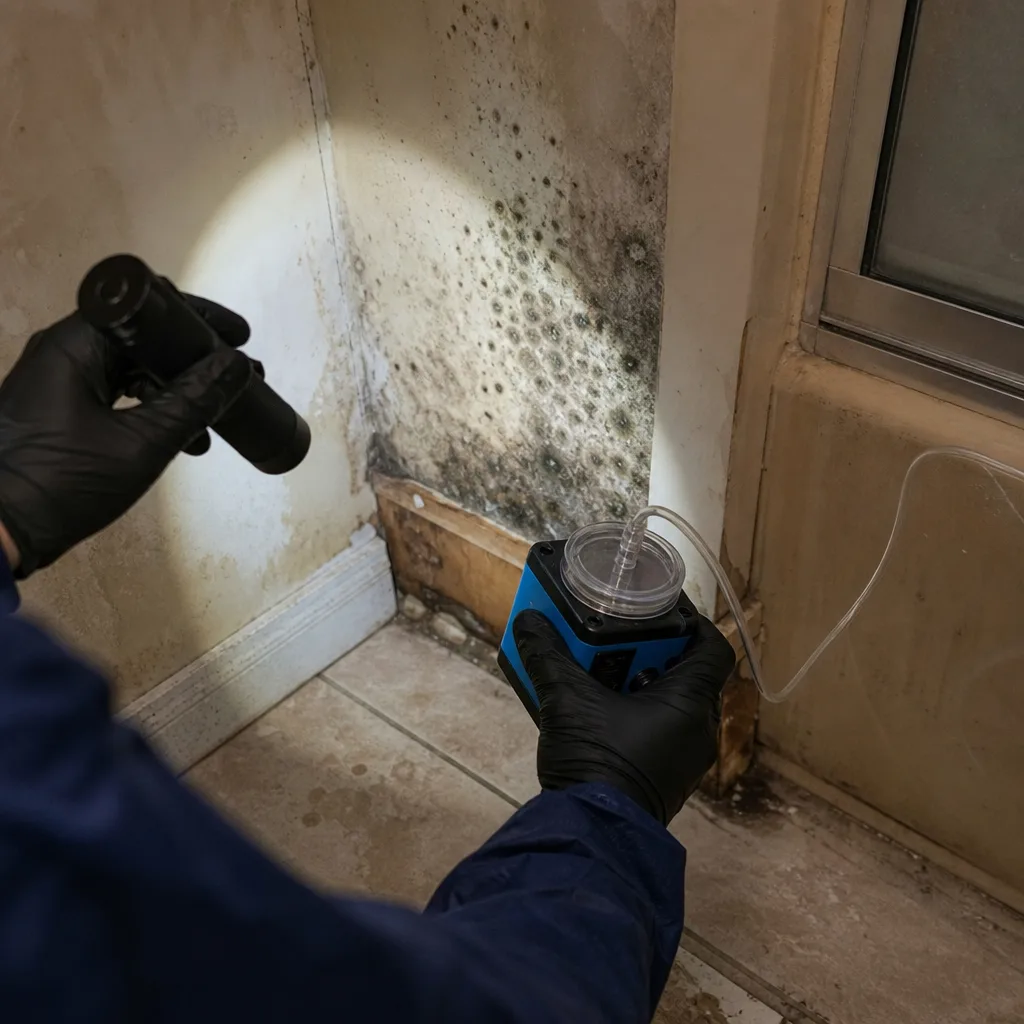
Smoke odor persists when molecules penetrate porous materials and HVAC systems. Our process combines source removal, thermal fogging, hydroxyl generation, and sealed-space ozone treatment where appropriate. In Miami Beach’s humidity, we extend drying before deodorization - re-moistened soot reactivates odor and restarts corrosion cycles on metal surfaces.
Contents Cleaning & Pack-Out
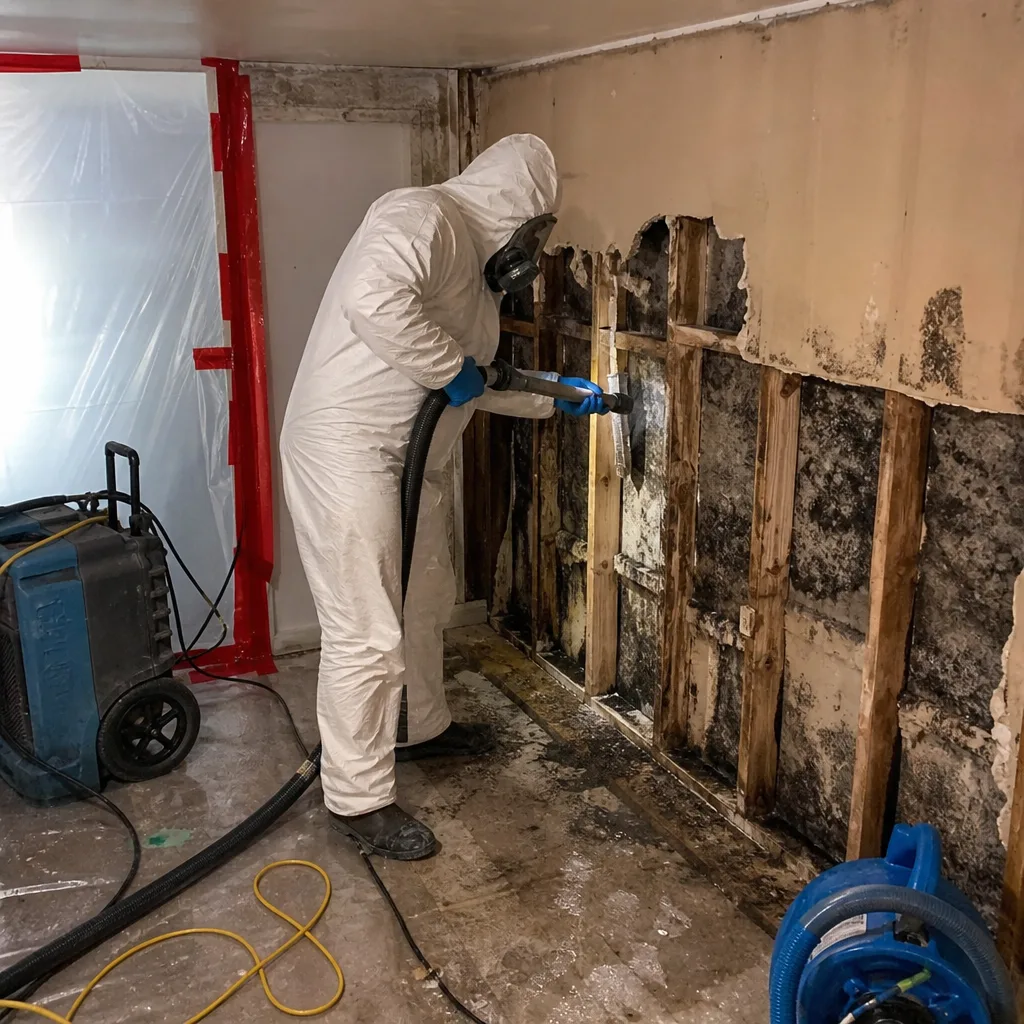
Salvageable items are inventoried, photographed, and transported to our cleaning facility for ultrasonic, dry-cleaning, or ozone treatment. Non-salvageable items are documented for insurance replacement with make, model, and condition notes. We return cleaned contents only after the structure passes post-restoration clearance.
Emergency Board-Up & Tarping
Fire-damaged openings are secured with fire-rated plywood and weatherproof tarps to prevent intrusion, weather damage, and liability exposure. On Miami Beach’s barrier island, we assess tidal risk during board-up - ground-floor garages in flood-prone buildings receive additional sealing and sump placement to prevent king-tide inundation from compounding the loss.

What happens when you call
- 1
A real person answersNo phone trees - you reach a local pro.
- 2
You get an upfront price rangeHonest numbers before anyone is dispatched.
- 3
A background-checked tech heads outLicensed & insured, dispatched right away.
- 4
You approve before work beginsNothing starts until you say go.
Fire & Smoke Damage Restoration Costs in Miami Beach, FL
Fire damage restoration pricing in Miami Beach reflects the island’s specialized labor market, historic-preservation requirements, and the compounded nature of most losses (fire plus water plus corrosion). Typical ranges:
- Emergency board-up and tarping: $800-$2,200, depending on opening count and height access
- Smoke and soot cleanup, light to moderate: $3,500-$8,500 per affected floor
- Heavy smoke remediation with odor removal: $8,500-$18,000
- Structural drying (suppression water): $2,800-$6,500, including equipment and daily monitoring
- Contents pack-out and cleaning: $1,800-$5,500 depending on volume
- Full reconstruction, historic district: $85-$165 per square foot, with Preservation Board documentation adding 15-25% to timeline and administrative costs
What moves price: square footage affected, soot type (protein residues require more labor), presence of asbestos or lead in pre-1978 construction, and whether Historic Preservation Board review is triggered. Most residential fire claims are covered by standard homeowners policies, less the deductible. We provide a written scope before work begins - Haven Standard, Clause 1 - and offer a free second opinion on any competitor’s written estimate.
We Also Serve Cities Near Miami Beach
Our Miami Beach crews respond throughout the barrier island and across the causeway to Miami, Key Biscayne, Coral Gables, and Hialeah. Dispatch and scheduling are coordinated from our South Florida metro office; equipment and personnel are positioned for rapid response across the full service area.
Serving Miami Beach, FL - Our Local Coverage Area
We’re based in the Miami Beach area and know this community well. Use the map below to see our service coverage - if you’re nearby, we can almost certainly help.
Miami Beach Fire & Smoke Damage Restoration Questions, Answered
How does Miami Beach’s salt air affect fire damage restoration?
Salt-laden air accelerates corrosion on exposed steel components after a fire, often overnight. We see garage-door springs, tracks, and opener chains seize within months of fire exposure on the barrier island - years faster than mainland Miami. Our crews replace these with galvanized springs and stainless hardware during the restoration process, and we extend dehumidification to prevent re-moistened soot from reviving odor and restarting oxidation. Call (786) 250-0820 for an inspection - estimates are free.
Can a fire in a historic Art Deco building on Ocean Drive be restored without triggering delays?
Exterior work and common-area repairs in the Art Deco Historic District require Miami Beach Historic Preservation Board approval of materials and methods, which typically adds 10-20 business days to the timeline. Interior work behind existing facades generally does not require Board review. We prepare documentation packets and coordinate submission to prevent surprises. Call (786) 250-0820 - we’ll review your specific property and scope.
Why is mold a bigger concern after a fire in Miami Beach than inland?
Miami Beach’s near-100% summer humidity and year-round air conditioning create mold colonization timelines of 24-48 hours after any moisture intrusion - faster than most inland Florida cities. Fire suppression water, combined with the island’s chronic humidity, means we begin structural drying immediately alongside smoke remediation, not sequentially. Daily moisture logs track progress to IICRC S500 standards. Call (786) 250-0820 for emergency dispatch.
What should be done if a fire-damaged garage floods from a king tide?
Document everything before entering - photograph water lines, don’t disturb potential electrical hazards. Then call (786) 250-0820 immediately. We extract tidal water, test for Category 3 contamination (saltwater plus street runoff plus possible sewage backflow), and treat the space as a compound loss: fire, water, and corrosion. The garage’s contents, vehicles, and structural materials require separate classification for insurance purposes. Speed matters - saltwater accelerates rebar corrosion in structural concrete within days.
Do you service equipment brands like Dri-Eaz and Phoenix for fire damage restoration?
Yes - we deploy Dri-Eaz and Phoenix LGR dehumidifiers, XPOWER air movers, and Injectidry specialty drying systems on fire jobs where suppression water requires structural drying. All equipment is documented to IICRC, RIA, and IFA standards, with daily logs that become part of your insurance claim file. Call (786) 250-0820 to discuss equipment specifications for your loss.
How fast can your crew actually get to my Miami Beach property?
We commit to 45 minutes for Miami Beach addresses, with crews staging from our South Florida metro office. Live answer at (786) 250-0820 24 hours a day - no voicemail, no callback queues. The first hour after fire suppression stops is when smoke residues set and moisture begins migrating into unaffected spaces.
Will my insurance cover fire damage restoration, or will I pay out of pocket?
Standard homeowners policies cover fire damage restoration, including smoke remediation, water extraction from suppression, and contents cleaning, less your deductible. We provide photo-documented estimates in Xactimate format, coordinate directly with your adjuster, and bill your carrier. Out-of-pocket costs typically apply only to upgrades beyond like-kind replacement or deductibles. Call (786) 250-0820 - we’ll review your coverage and provide a written scope.
Can I stay in my home during fire damage restoration?
It depends on the loss scope. Contained kitchen fires with localized smoke damage may allow occupancy during remediation, with containment barriers and air scrubbers running. Larger losses with structural compromise, extensive odor, or HVAC contamination require temporary relocation. We assess habitability at inspection and document our recommendation for your insurance’s additional living expense coverage. Call (786) 250-0820 for a same-day evaluation.
Written by Alicia Brennan, Owner at Back to Dry Restoration, serving Miami Beach since 2011 under The Haven Standard.
Fire & Smoke Damage Restoration in Nearby Areas
