
Free visual inspection and a written scope of work before any mitigation begins - photos, moisture readings, and drying logs go in your claim file
The scope we write is the scope we bill. Anything new gets shown to you, in writing, before we touch it.
How Much Does Water Damage Restoration Cost in Miami?
Water damage restoration in Miami typically costs between $1,500 and $5,500 for a standard residential water loss, though major structural flooding or category-three sewage contamination can drive costs into the $8,000 to $12,000 range. Because Miami’s humidity levels often exceed 70 percent, drying times are extended, requiring more aggressive equipment deployment than in drier climates to prevent secondary mold growth. DryMark Restoration Miami provides a written price before any work begins, ensuring you know your exact costs before our technicians start the drying process.
Water Damage Restoration Cost Breakdown (2026)
Restoration costs are rarely flat fees because the complexity of the damage dictates the labor and equipment required. The following table outlines typical cost ranges for Miami homeowners based on the scope of the incident.
| Service Component | Estimated Cost Range |
|---|---|
| Minor Water Intrusion (Single Room, Quick Drying) | $800 - $2,200 |
| Standard Water Damage (Multiple Rooms, Carpet/Pad Removal) | $2,500 - $5,500 |
| Major Flooding (Full Floor/Structural Damage) | $6,000 - $12,000+ |
| Category 3 Sewage Cleanup (Sanitization & Removal) | $4,000 - $9,000+ |
| Emergency Mitigation Call-Out (After-Hours) | $350 - $600 (Included in final job cost) |
These figures represent the total investment for mitigation, including moisture mapping, equipment setup, and final documentation. Per the Haven Standard, Clause 1, we provide a firm, written price before work begins, eliminating the confusion of variable hourly rates or unexpected scope creep. If you suspect water intrusion, call (786) 250-0820 for a precise estimate tailored to your home’s specific moisture levels.
What Affects Water Damage Restoration Pricing in Miami
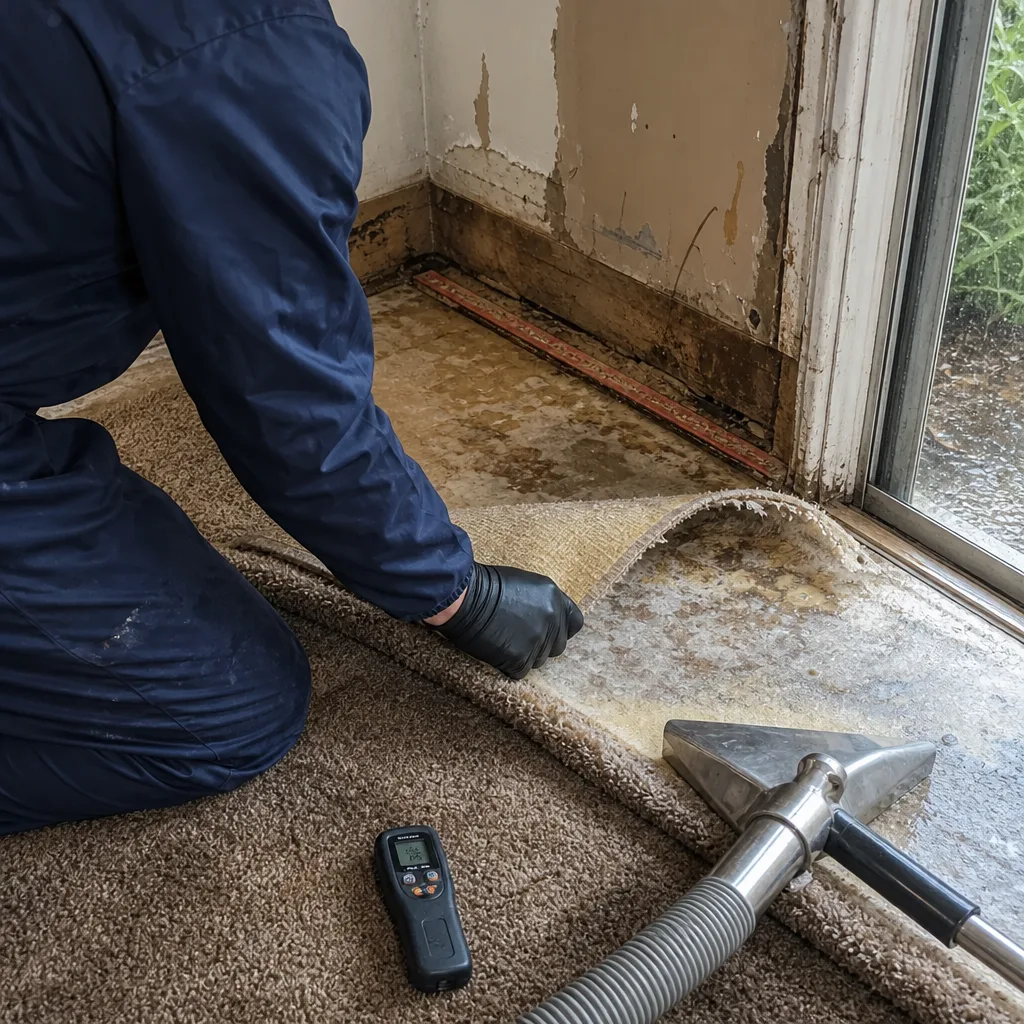
In the Miami market, geography and building materials play a significant role in how we scope a project. We don’t guess; we measure. Here are the primary factors that influence your final bill:
- The Category of Water: Clean water (Category 1) from a burst supply line is cheaper to remediate than grey water (Category 2) or black water (Category 3) from sewage backups, which requires specialized PPE, antimicrobial treatments, and hazardous waste disposal protocols.
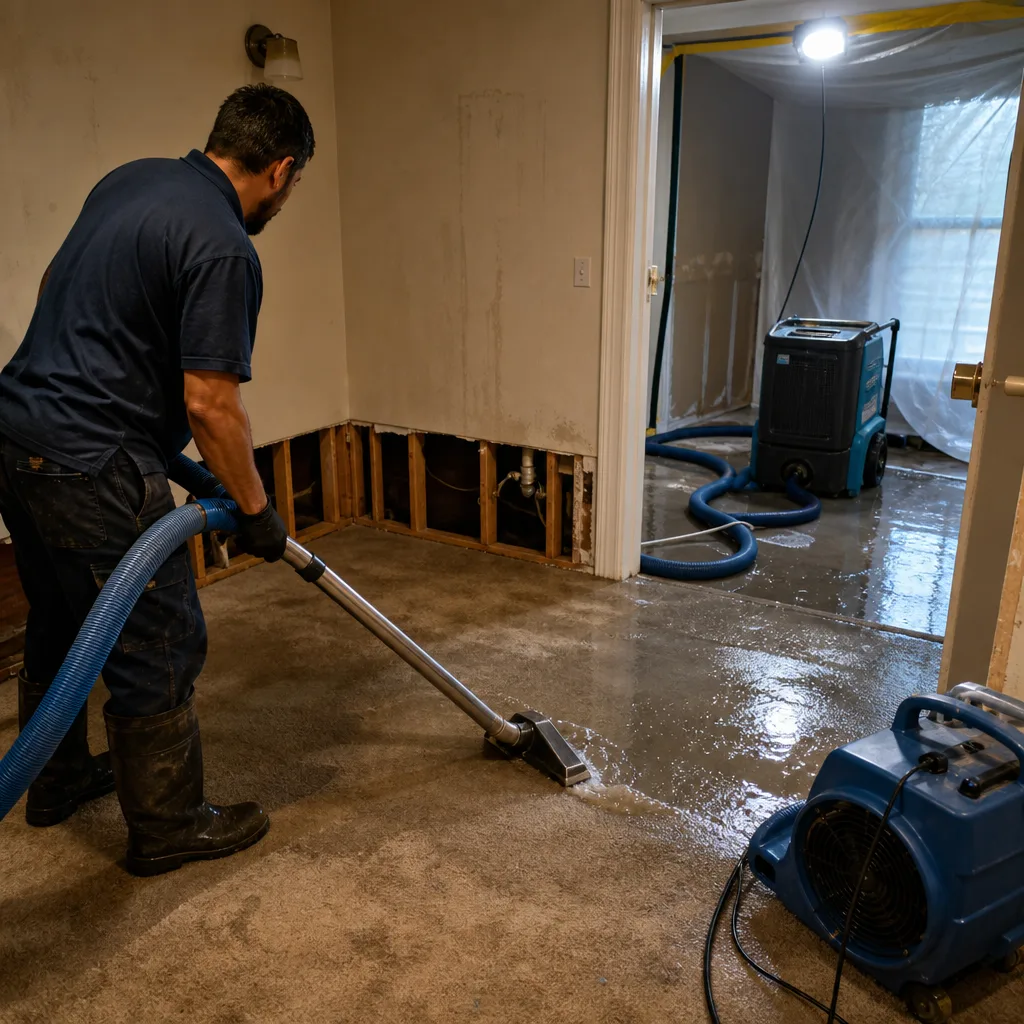
- Miami Humidity and Climate: Our local environment makes drying significantly harder. Because ambient humidity is often high, we must use professional-grade dehumidifiers like Dri-Eaz or Phoenix units for longer durations to achieve target equilibrium moisture content (EMC) in building materials.
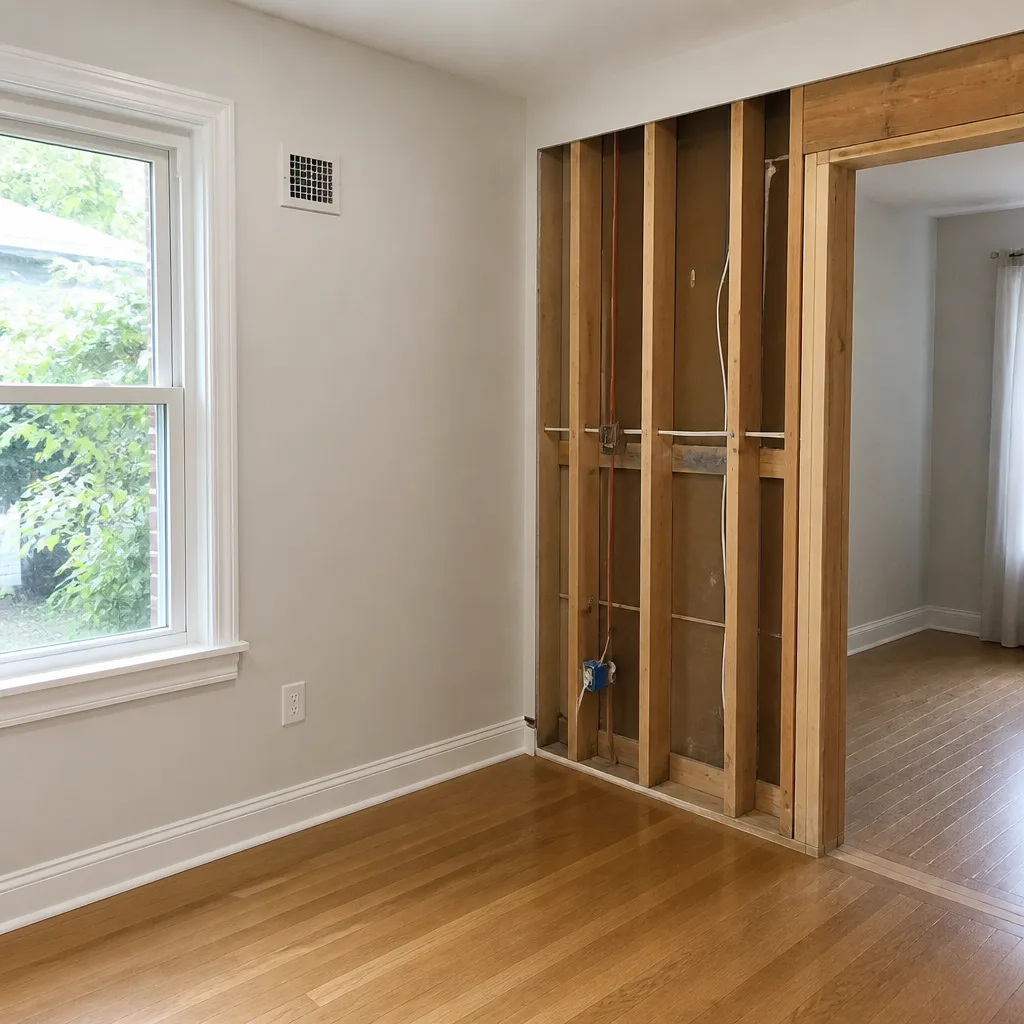
- Material Porosity: Porous materials like drywall, carpet, and insulation often require removal and replacement, whereas non-porous materials like tile, concrete, or metal can usually be dried in place, reducing your overall reconstruction costs.
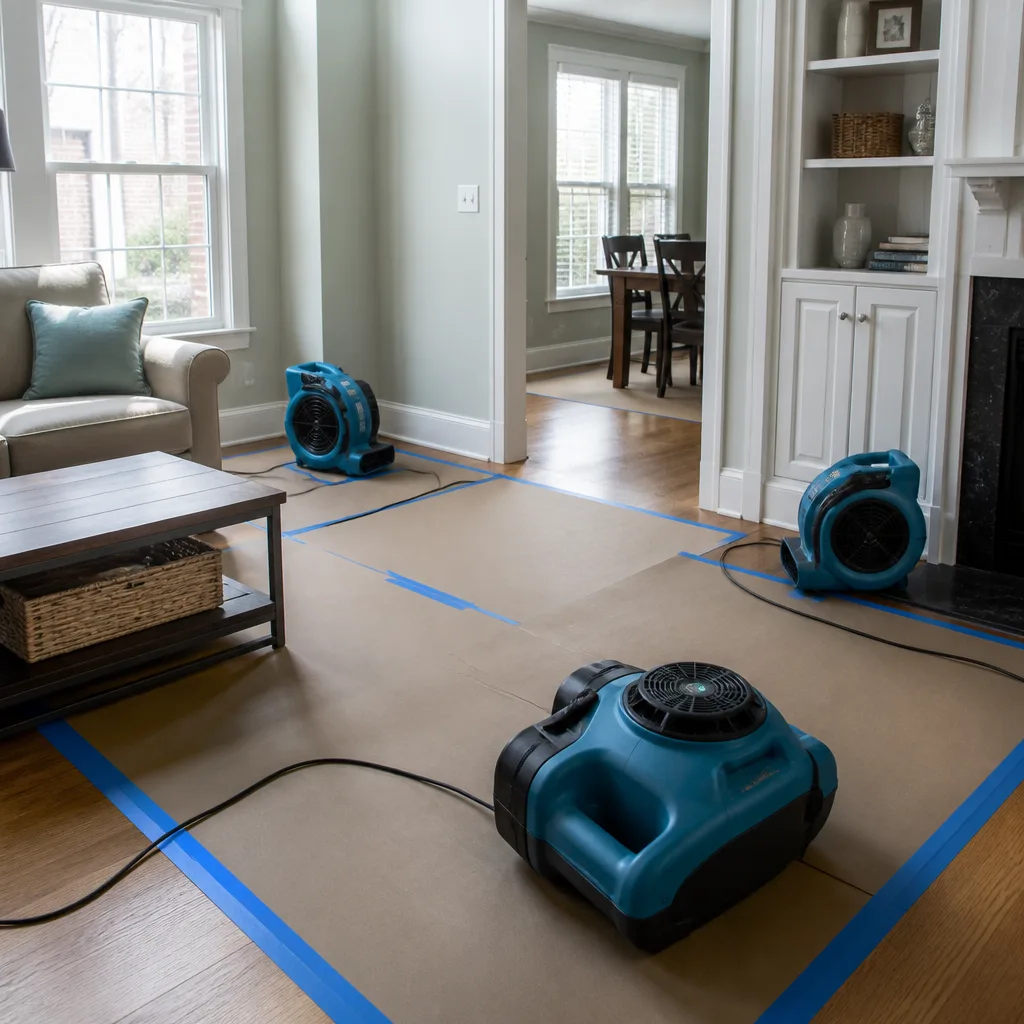
- Extent of Saturation: We track the “vapor pressure differential” between the wet materials and the surrounding air. The larger the affected area, the more equipment-such as XPOWER air movers or Injectidry systems-is required to force moisture out of hidden pockets within wall cavities.
- Documentation Requirements: Accurate insurance claims depend on daily moisture logs, psychrometric data, and a documented photo record of every visit. At DryMark Restoration Miami, this documentation is included as a standard deliverable, ensuring your insurer has the evidence required to approve your claim without a fight.
How to Save on Water Damage Restoration
The most effective way to control restoration costs is to stop the water source and initiate professional mitigation immediately. Every hour that water sits, it wicks further into baseboards, cabinetry, and structural framing, turning a manageable drying job into a full-scale reconstruction project.
Avoid the temptation to use box fans or household dehumidifiers. These units lack the grain depression capabilities required to handle Florida’s high-moisture air and often move contaminants around rather than removing them. Instead, focus on these steps:
- Shut off the water source: If the leak is from a pipe or appliance, locate the main shut-off valve immediately.
- Call a professional: Contact us at (786) 250-0820 for a free estimate. We bring the equipment and expertise to document the damage properly.
- Get a written scope: Never authorize work without a signed agreement that details exactly what will be done. Our team adheres to the Haven Standard, which guarantees a written price before a single piece of equipment is plugged in.
- Leverage your insurance: If you have an active claim, we work directly with your adjuster, providing the drying logs and photo records that substantiate your loss.
We offer a Free Second Opinion on any competitor’s written estimate. If you aren’t sure about a quote you have already received, call (786) 250-0820, and we will review the scope of work at no charge to ensure you aren’t being overcharged for unnecessary services.
FAQs - Water Damage Restoration Cost
How much does it cost to dry out a flooded basement in Miami?
Drying a flooded area typically starts at $1,500 and scales based on the square footage and the time required to reach structural dry standards. Because Miami homes are often built on slabs, “basement” flooding usually refers to lower-level living spaces or garage areas, which we treat with industrial-grade dehumidification to ensure no moisture remains trapped under flooring. Call (786) 250-0820 for a specific quote.
Is it cheaper to repair or replace water-damaged materials?
It is almost always cheaper to dry materials in place if they are not contaminated. If materials like drywall or insulation are saturated with sewage or have begun to show visible microbial growth, they must be removed for health and safety reasons. We provide a written analysis of what can be saved versus what must be replaced before we start any work, per the Haven Standard.
How quickly can you respond to a water emergency?
We provide live phone coverage 24 hours a day, 7 days a week, and dispatch crews immediately to address active water intrusion. Quick response is the single biggest factor in cost reduction; by arriving before moisture wicks into your home’s structural framing, we prevent the need for expensive reconstruction.
Does my insurance cover the cost of water damage restoration?
Most homeowners’ insurance policies cover water damage caused by sudden and accidental events, such as a burst pipe or a leaking appliance. We provide the detailed documentation-including daily drying logs, psychrometric data, and comprehensive photo records-that helps ensure your claim is processed accurately by your insurer.
Why is there a cost difference between “mitigation” and “restoration”?
Mitigation is the emergency phase where we stop the water, remove standing liquid, and dry the structure to prevent further damage. Restoration is the subsequent phase where we repair or replace the materials that were damaged beyond repair. We handle the mitigation phase with precision, ensuring that the documentation we provide makes the restoration phase as straightforward as possible.
Pricing reflects the Miami market as of 2026. DryMark Restoration Miami offers free estimates - call (786) 250-0820.
What Our Customers Say
"They told us the subfloor was dry and did not need replacing, which cost them the bigger job. We have recommended them four times since."
- Verity M."Daily moisture readings, written down, room by room. When the adjuster questioned the drying time they sent the log and the conversation ended."
- Constance E."Storm took part of the roof. They tarped it the same evening and the written scope came through the next morning."
- Emmett L.