
Free visual inspection and a written scope of work before any mitigation begins - photos, moisture readings, and drying logs go in your claim file
The scope we write is the scope we bill. Anything new gets shown to you, in writing, before we touch it.
24/7 Emergency Water Damage Restoration in Fort Lauderdale
Water damage restoration in Fort Lauderdale typically runs $2,800-$7,500 for a standard residential loss, with emergency extraction starting at $1,200-$2,400 and structural drying adding $1,600-$5,100 depending on affected square footage and material classification. Our crews answer live at (786) 250-0820 twenty-four hours a day, seven days a week - no voicemail, no callback queues. We dispatch from our Miami (South FL) office and can have a technician on-site anywhere in Fort Lauderdale, from Las Olas Isles to Plantation Park, within 45 minutes of your call. The first hour determines whether water migrates from a single room into wall cavities, under terrazzo floors, or through the slab cold joints common in 1960s CBS construction. We provide a free visual inspection and a written price before any equipment is powered on.
Understanding Water Damage Restoration Severity in Fort Lauderdale Properties
Water damage in Fort Lauderdale is classified by source and contamination level: Category 1 (clean water from supply lines), Category 2 (gray water with chemical or biological load, such as dishwasher discharge), and Category 3 (black water: sewage, seawater, or ground-surface flooding). The distinction matters because Category 3 losses require full removal of porous materials - drywall, insulation, carpet pad - and antimicrobial treatment of all remaining structural elements under IICRC S500 standards.
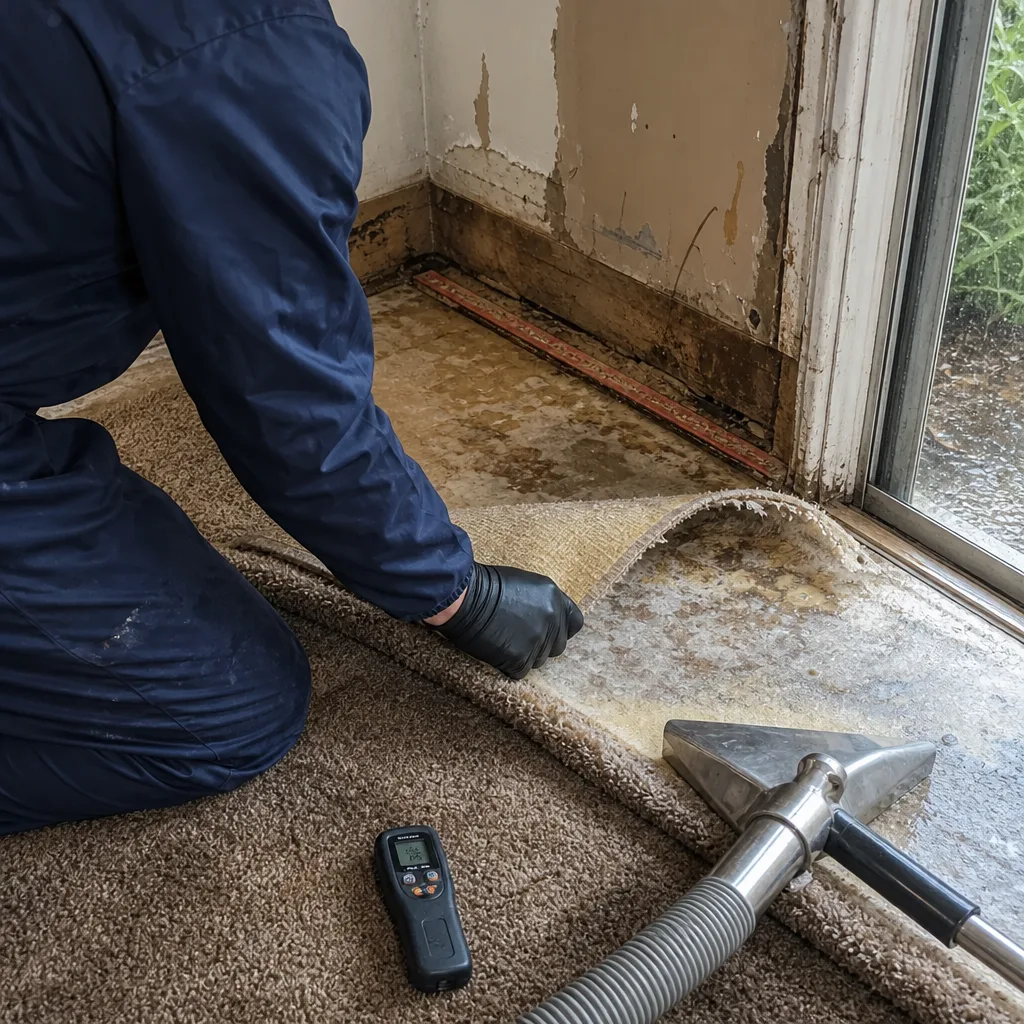
Moisture mapping with thermal imaging and pinless meters reveals what surface inspection cannot: lateral wicking in unreinforced concrete block walls, the dominant construction type in Poinsettia Heights and Victoria Park homes built between 1955 and 1975. These walls absorb groundwater from saturated canal-adjacent soils and redistribute it through mortar joints, creating elevated humidity readings in interior cavities days after the visible water is gone. Psychrometric data - temperature, relative humidity, and vapor pressure differential - drives our drying calculations, not guesswork. Vapor pressure differential is the force that moves moisture from wet materials to dry air; we measure it hourly to verify that our dehumidifiers are actually pulling water from the structure, not just recirculating humid air.
Why Fort Lauderdale Property Owners Choose DryMark Restoration Miami
- 45-minute response commitment to any Fort Lauderdale address, from East Oakland Park Boulevard to South Seabreeze Boulevard.
- 24/7 live answer - a real person, never an automated system or voicemail tree, on every call.
- IICRC-certified crews holding WRT (Water Damage Restoration Technician) and ASD (Applied Structural Drying) certifications; AMRT (Applied Microbial Remediation Technician) on staff for Category 3 and mold-affected losses.
- Free visual inspection with moisture readings documented before any scope is proposed.
- Direct insurance billing and adjuster coordination; we do not require payment upfront from policyholders.
- One team from extraction through reconstruction - no handoffs to unknown subcontractors.
Our Water Damage Restoration Process
1. Inspection & Assessment
We arrive with thermal imaging cameras, pin and pinless moisture meters, and hygrometers to map the full extent of water migration. In Fort Lauderdale’s canal-front homes, we specifically inspect slab cold joints and plumbing penetrations for tidal groundwater intrusion that surface inspection misses. You receive a written scope and price before any work begins - Haven Standard, Clause 1.
2. Water Extraction & Stabilization
Truck-mounted extractors and portable submersible pumps remove standing water. For Category 2 and 3 losses, we establish containment barriers and negative air pressure to prevent cross-contamination. We document every affected room with photographs before any material is disturbed.
3. Structural Drying & Dehumidification
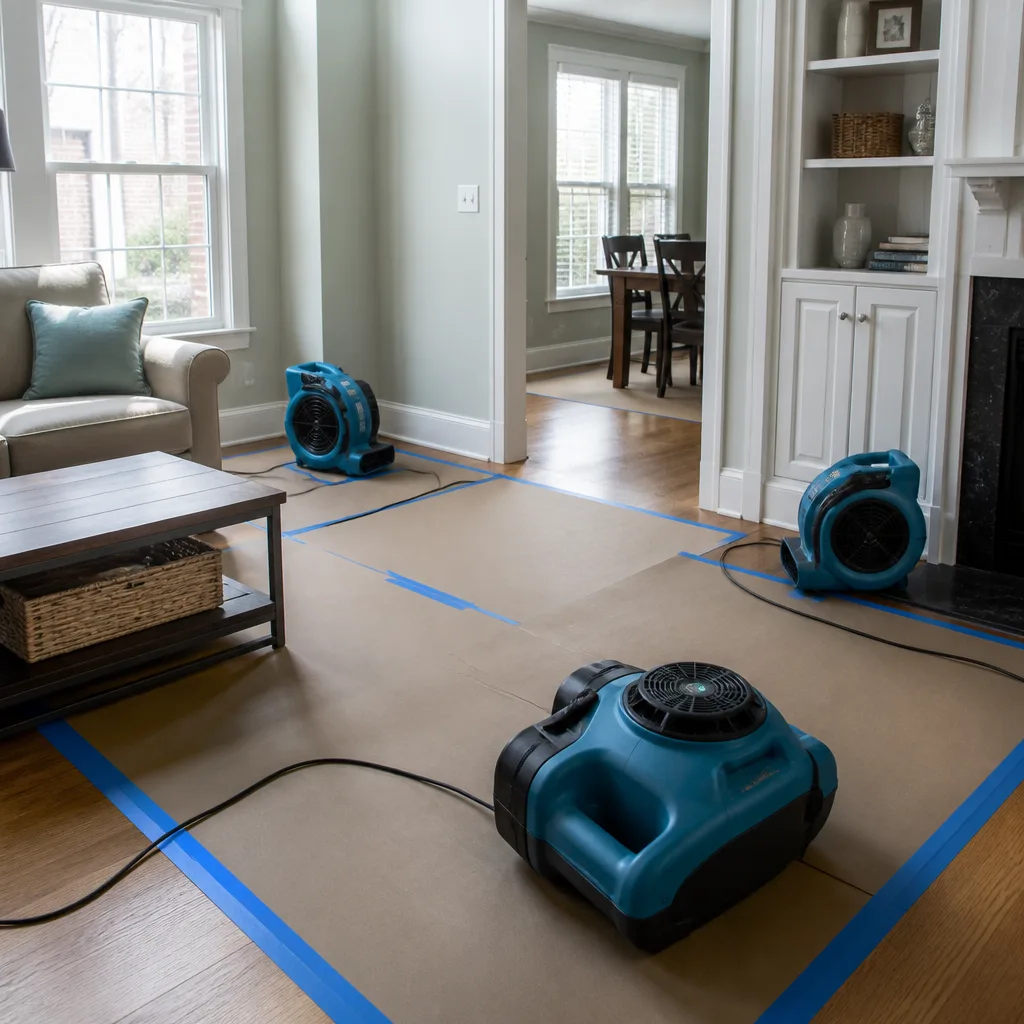
We deploy Dri-Eaz and Phoenix LGR dehumidifiers, XPOWER and B-Air axial air movers, and Injectidry cavity-drying systems to force dry air through wall voids and under cabinets. Drying logs record temperature, relative humidity, and moisture content at each structural point every 24 hours.
4. Cleaning & Sanitization
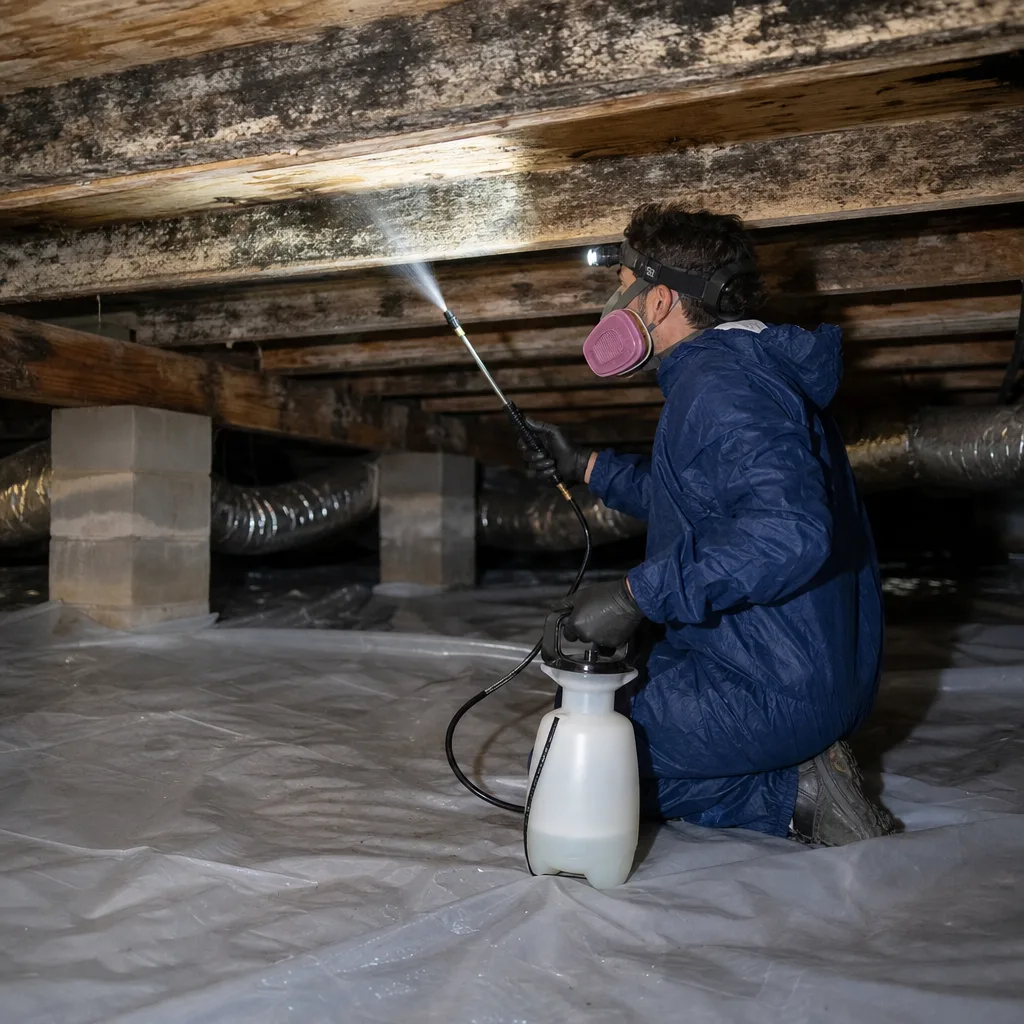
Antimicrobial treatment of all affected structural materials per IICRC S500. HEPA air scrubbers run continuously during this phase to capture airborne particulates. We use EPA-registered products appropriate to the water category and document application with time-stamped photos.
5. Tidal Intrusion Protocol
For Fort Lauderdale’s canal-front properties, we extend drying timelines to account for recurring hydrostatic pressure during king-tide cycles. This includes secondary moisture barrier recommendations and, where necessary, coordination with marine contractors for seawall or drainage assessment - a step unnecessary in inland markets but standard for our Las Olas and The Landings jobs.
6. Repairs & Restoration
Once moisture readings confirm structural materials have returned to acceptable equilibrium, we rebuild: drywall, flooring, trim, paint. Every repair is photo-documented and covered by our 365-Day Done Right Promise under The Haven Standard.
Need Emergency Water Damage Restoration in Fort Lauderdale Now?
Crews minutes away, answering live 24 hours a day. The sooner we start, the less it costs.
Working With Your Insurance Company
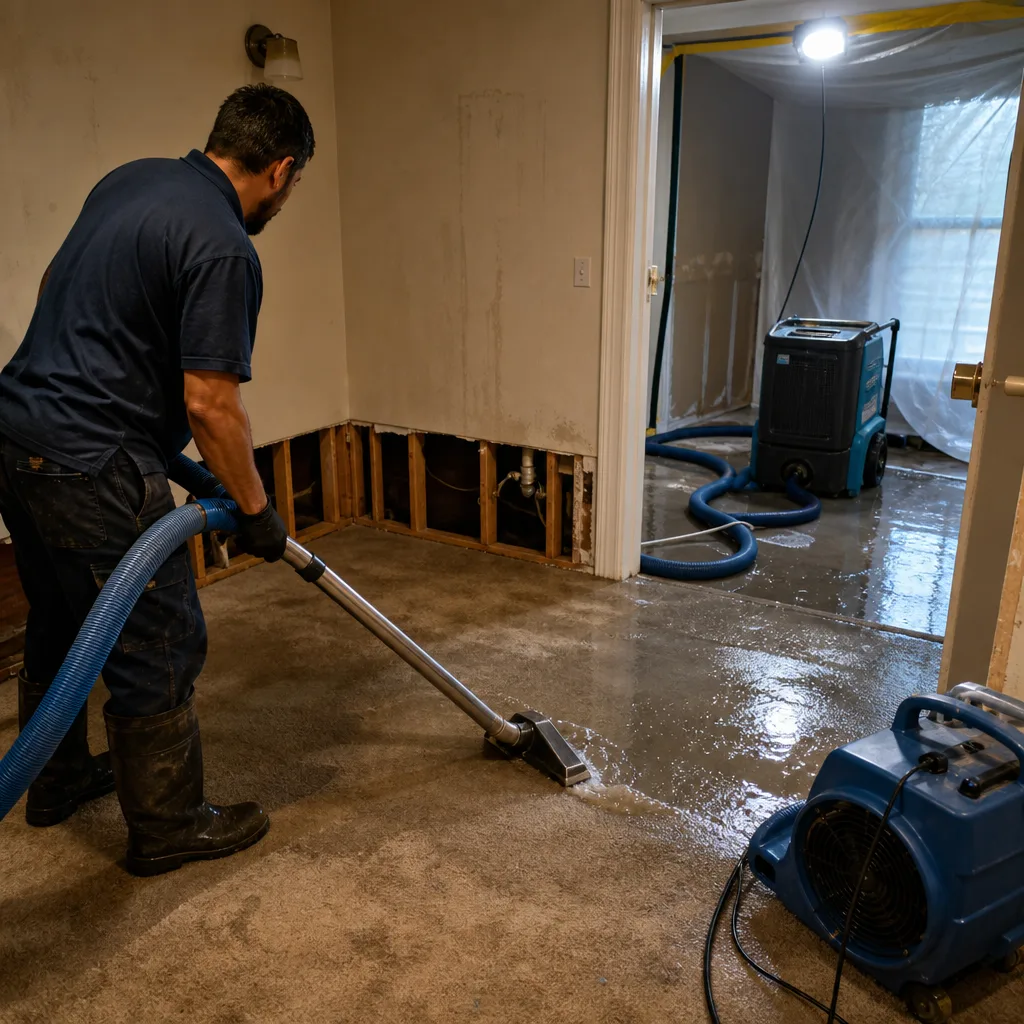
We build the claim file from the first hour. Our documentation protocol, developed by a former claims adjuster, produces the evidence your carrier needs to approve scope without dispute. We photograph every room before work begins, record moisture readings at each structural point, maintain daily drying logs, and deliver a line-item estimate in Xactimate format - the industry standard. Your adjuster receives direct communication from our office; we do not ask you to mediate technical disputes. For properties in ZIP codes 33312, 33317, 33319, and 33332, we have established relationships with the major carriers’ South Florida claim centers, which reduces approval time.
What We Provide Your Insurer
- Thorough documentation of the loss
- Photos of all damage, room by room
- Moisture readings and drying logs
- A detailed, line-item scope of work
- Direct coordination with your carrier
Built for Fort Lauderdale’s Loss Calendar
January through May brings dry-season pipe failures: older copper in 1960s CBS homes along East Commercial Boulevard develops pinhole corrosion from decades of mineral buildup, and the first sustained cold snap - rare but not unknown - splits uninsulated hose bibs and irrigation lines. June through November is hurricane season, compounded by Fort Lauderdale’s canal system funneling storm surge directly into neighborhoods rather than dispersing it. September and October king tides, running 12-18 inches above predicted astronomical levels, push groundwater through slabs in Las Olas Isles and The Landings even on rainless days. December’s cooling temperatures slow evaporation, extending drying timelines by 20-30% unless supplemental heat is applied - a factor we account for in every winter scope.
Water Damage Restoration Across Fort Lauderdale’s Neighborhoods
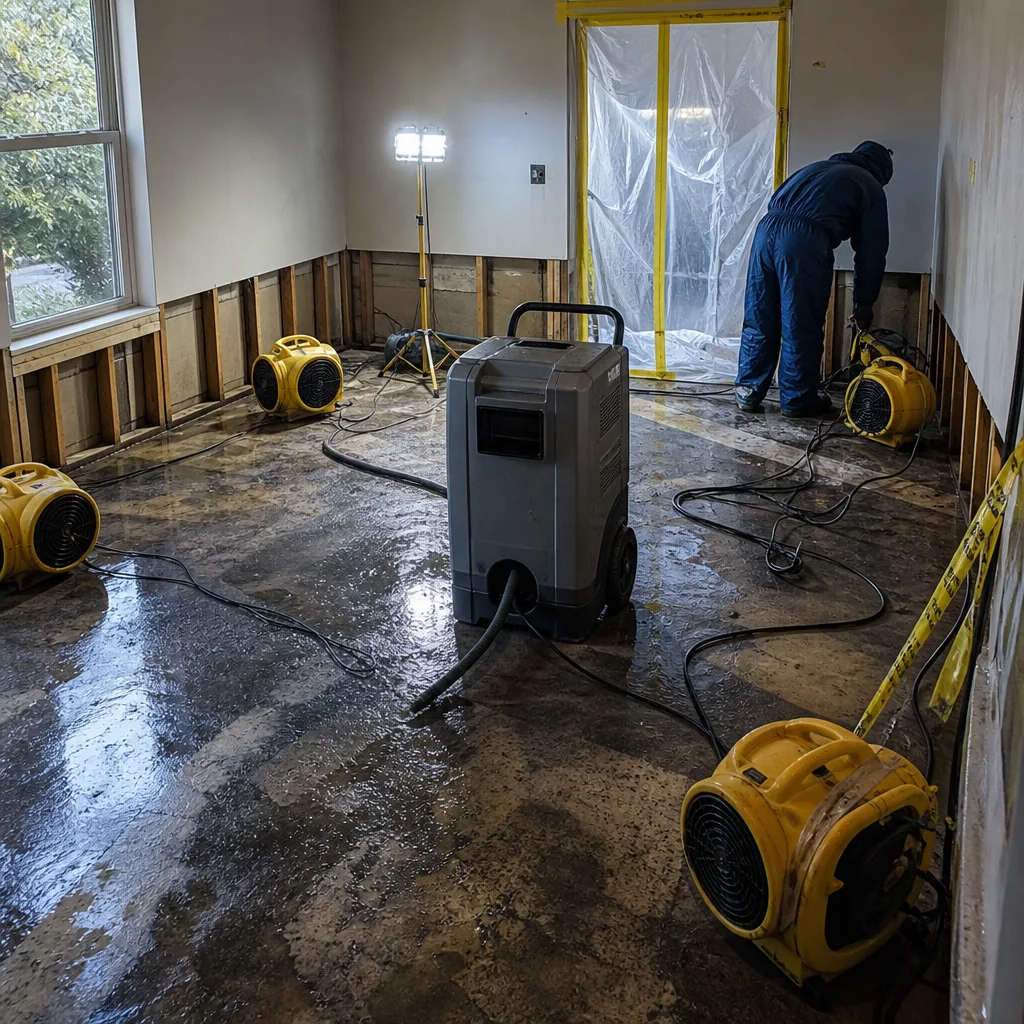
In Las Olas and the surrounding isles, we respond to tidal groundwater intrusion through slab cold joints - the finished floor elevation sits only 18-24 inches above mean high water, and during king tides the hydrostatic pressure finds every penetration. Our drying protocols here run 48-72 hours longer than standard to account for recurring moisture push.
Plantation Park and Poinsettia Heights are dominated by 1950s-1970s CBS construction with terrazzo or tile directly over slab. No crawl space means no early warning: water reaches the interior before the homeowner notices. We see lateral wicking in unreinforced block walls as the primary hidden damage mode, requiring Injectidry cavity systems and extended dehumidification.
Victoria Park’s mature tree canopy contributes to roof and gutter failures during summer thunderstorms, with water entering through soffit vents and running inside walls. Our moisture mapping typically finds secondary damage 8-12 feet from the visible stain.
Near McGinnis Ski School and the Athletic Hall of Fame corridor, newer construction on filled land experiences settlement-related slab cracking that channels groundwater directly into living spaces. We coordinate with geotechnical specialists when structural underpinning is indicated.
Specialized Water Damage Restoration Services We Offer in Fort Lauderdale
Emergency Water Extraction
Truck-mounted and portable extraction for standing water of any category. In Fort Lauderdale’s canal-front homes, we extract first, then immediately inspect slab penetrations for tidal backflow - treating the visible water without addressing the source guarantees recurrence.
Structural Drying & Dehumidification
LGR dehumidifiers, desiccant systems for large commercial losses, and cavity-drying with Injectidry. Our drying logs, delivered daily, document psychrometric conditions and moisture content readings that satisfy insurer requirements and verify progress.

Flood Cleanup
Category 3 losses from storm surge, canal overflow, or tidal inundation require full porous-material removal and antimicrobial treatment, similar to the comprehensive approach needed for Fire & Smoke Damage Restoration in Fort Lauderdale. We handle hazardous waste disposal and document chain-of-custody for insurance compliance.

Burst Pipe Restoration
From corroded copper in 1960s CBS homes to modern PEX failures. We extract, dry, and rebuild - including coordination with licensed plumbers for permanent repair.

Basement Water Removal
True basements are rare in Fort Lauderdale, but we handle below-grade utility rooms, elevator pits, and parking garages in multi-unit buildings along East Oakland Park Boulevard and South Seabreeze Boulevard.
Ceiling & Roof Leak Water Damage
Summer thunderstorm damage to flat and low-slope roofs common in mid-century construction. We trace water migration through soffits and wall cavities, then dry and restore.
What happens when you call
- 1
A real person answersNo phone trees - you reach a local pro.
- 2
You get an upfront price rangeHonest numbers before anyone is dispatched.
- 3
A background-checked tech heads outLicensed & insured, dispatched right away.
- 4
You approve before work beginsNothing starts until you say go.
Water Damage Restoration Costs in Fort Lauderdale, FL
| Service | Typical Range in Fort Lauderdale |
|---|---|
| Emergency water extraction (up to 1,000 sq ft) | $1,200 - $2,400 |
| Structural drying & dehumidification (3-5 day protocol) | $1,600 - $5,100 |
| Category 3 flood cleanup with porous material removal | $4,500 - $11,000 |
| Full restoration with repairs (drywall, flooring, paint) | $3,200 - $8,500 |
| Extended tidal-intrusion protocol (additional days) | $800 - $1,800 |
What moves the price: water category (Category 3 requires more labor and material removal), affected square footage, whether the slab or wall cavities are involved, and whether tidal intrusion requires extended drying. Insurance typically covers sudden and accidental losses; gradual seepage may be excluded. We provide a free visual inspection and written scope - no estimate-by-phone, no surprises. Bring a competitor’s written estimate and we’ll review it at no charge.
We Also Serve Cities Near Fort Lauderdale
Our crews respond throughout the metro area: Water Damage Restoration in Fort Lauderdale and neighboring Plantation, Pompano Beach, Hollywood, and Coconut Creek. Dispatch and scheduling are coordinated from our Miami (South FL) office.
Serving Fort Lauderdale, FL - Our Local Coverage Area
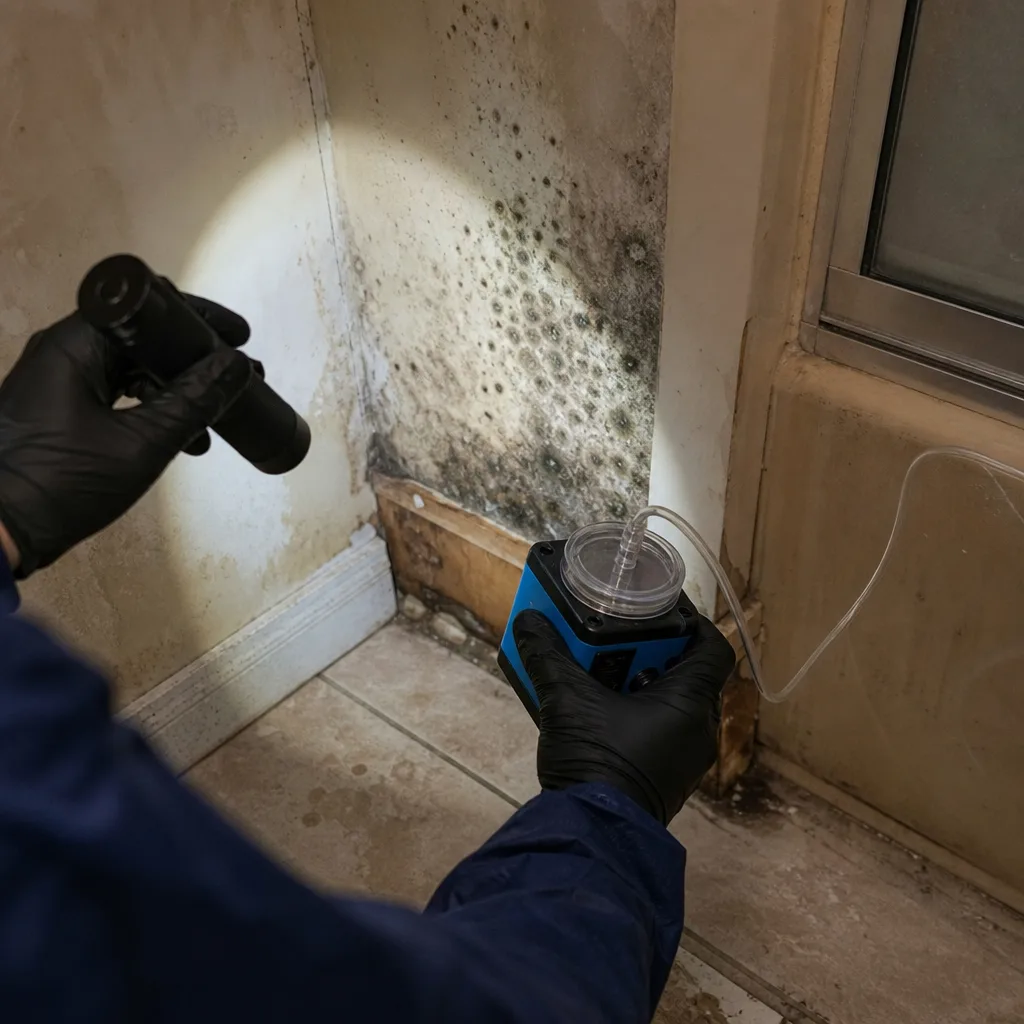
We’re based in the Fort Lauderdale area and know this community well. Use the map below to see our service coverage - if you’re nearby, we can almost certainly help.
Fort Lauderdale Water Damage Restoration Questions, Answered
Why does water keep coming back after we dry our Fort Lauderdale home, even when it hasn’t rained?
Tidal groundwater push is the cause in most canal-front Fort Lauderdale properties. During September-October king tides, hydrostatic pressure forces water up through slab cold joints and plumbing penetrations even on rainless days. Standard drying that doesn’t account for this recurring source will appear to fail after 48 hours. Our tidal-intrusion protocol extends drying timelines and identifies whether marine drainage improvements are needed. Call (786) 250-0820 for a free inspection that traces the actual source.
How quickly can mold start in a Fort Lauderdale home after a water leak?
In South Florida’s year-round humidity above 70%, mold colonization can begin within 24-48 hours of a water intrusion event. Fort Lauderdale’s porous Biscayne limestone aquifer and high water table - sometimes only one to three feet below grade - means soil saturation extends the window of structural wetness, accelerating microbial growth. We deploy HEPA air scrubbers and antimicrobial treatment at the extraction phase, not after visible mold appears. Call (786) 250-0820 for immediate response.
What’s the difference between Category 1, 2, and 3 water, and why does it matter for my Fort Lauderdale property?
Category 1 is clean water from a broken supply line. Category 2 is gray water with chemical or biological contamination - dishwasher discharge, washing machine overflow. Category 3 is black water: sewage, seawater, or ground-surface flooding, common in Fort Lauderdale’s canal-overflow and storm-surge events. The category determines what must be removed: Category 3 requires full disposal of porous materials and antimicrobial treatment of all remaining structures per IICRC S500. We test and classify on-site before proposing scope. Call (786) 250-0820 for classification and a written price.
My garage door springs and hinges are rusting fast - could that lead to water damage?
Yes. Salt-air corrosion in coastal Fort Lauderdale neighborhoods like Las Olas attacks garage-door springs, hinges, rollers, and opener chains years faster than inland. Failed fasteners create gaps that channel wind-driven rain into the garage and, in severe cases, compromise the door seal enough to allow storm-surge or tidal backflow entry. We inspect garage envelope integrity as part of our water damage assessment and can coordinate with door specialists for corrosion-resistant hardware replacement. Call (786) 250-0820 to schedule.
Do you provide a scope of work and drying logs for insurance in Fort Lauderdale?
Yes. Every job receives a written scope before work begins - Haven Standard, Clause 1 - plus daily drying logs with moisture readings, photographs of each room, and direct adjuster coordination. This documentation-first approach was built by a former claims adjuster specifically to close the gap that denies homeowners their coverage. We deliver in Xactimate format, the industry standard. Call (786) 250-0820 and we’ll explain exactly what your adjuster will receive.
How fast can your crew actually get to my Fort Lauderdale home?
We commit to 45 minutes from call to on-site anywhere in Fort Lauderdale, from Las Olas Isles to Plantation Park to ZIP 33332. Our Water Damage Restoration team answers live 24/7 - no voicemail, no callback delays while water continues migrating. Call (786) 250-0820 now and we’ll confirm ETA to your address.
Can we stay in our home during water damage restoration?
For Category 1 losses affecting under 200 square feet, often yes. For Category 2 or 3, or when containment and air scrubbing are required, temporary relocation is usually necessary for health and safety. We tell you directly during the initial inspection, with no pressure to decide immediately. Our written scope includes a clear occupancy recommendation. Call (786) 250-0820 to discuss your specific situation.
What should I do in the first 30 minutes after discovering water damage?
Shut off the water source if it’s a supply line, then call us at (786) 250-0820. Do not enter standing water if electrical outlets may be submerged. Move small valuables and documents to a dry area if safe. Do not run a household vacuum on water, and do not assume visible extraction is sufficient - moisture mapping is required to find hidden migration in Fort Lauderdale’s CBS wall cavities. We’ll walk you through immediate steps when you call.
Back to Dry Restoration, led by Alicia Brennan, has operated under The Haven Standard since 2011. Every job is quoted in writing before work begins, documented with a photo record on every visit, and covered by the 365-Day Done Right Promise. Our Fort Lauderdale crews deploy professional-grade drying systems from Dri-Eaz, Phoenix, and XPOWER, with all work documented to IICRC, RIA, and IFA standards.
Written by Alicia Brennan, Owner at Back to Dry Restoration, serving Fort Lauderdale since 2011.