
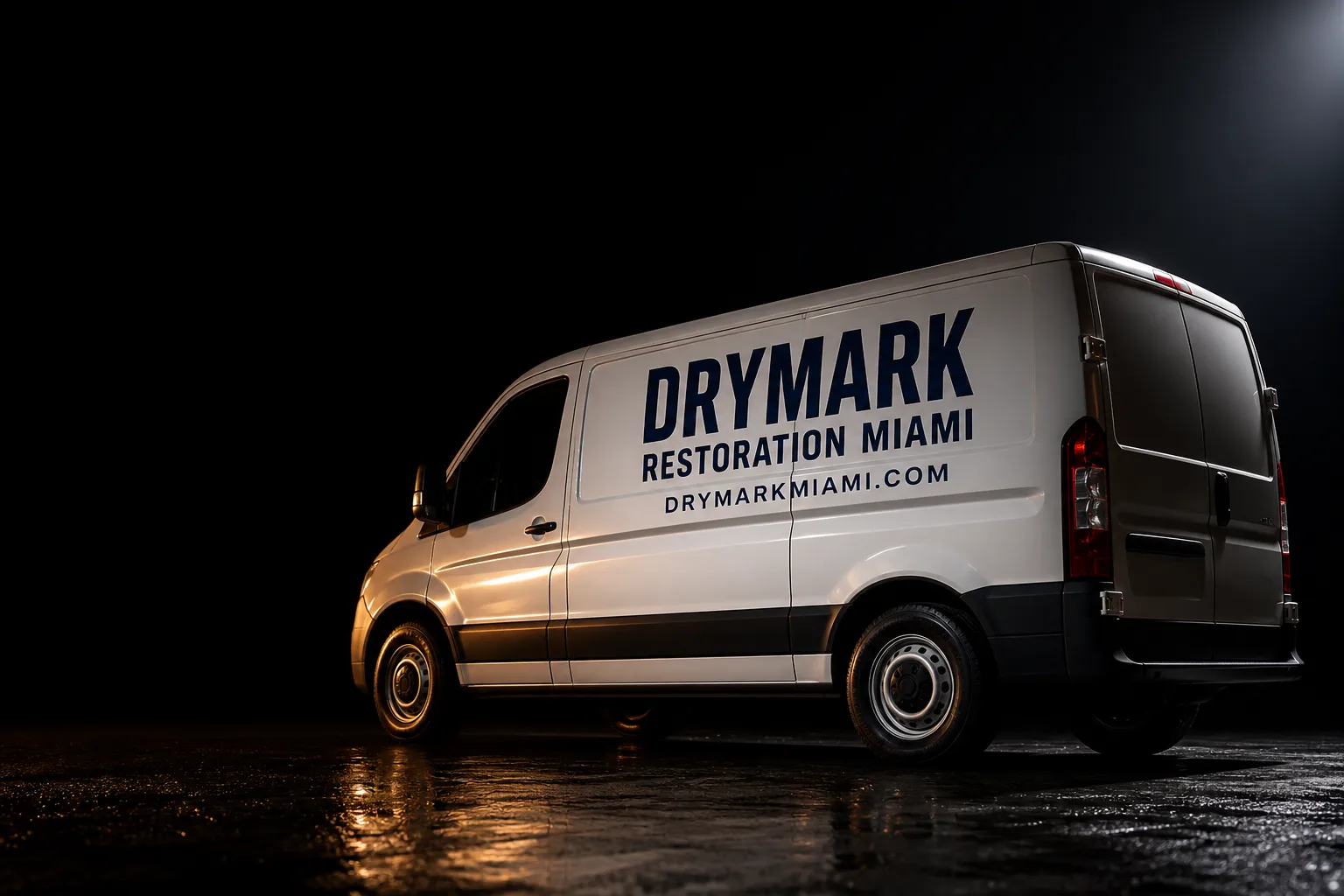
Free visual inspection and a written scope of work before any mitigation begins - photos, moisture readings, and drying logs go in your claim file
The scope we write is the scope we bill. Anything new gets shown to you, in writing, before we touch it.
24/7 Emergency Water Damage Restoration in Plantation
Water damage in Plantation typically costs $2,800-$6,500 for full mitigation and drying, with emergency extraction starting around $450-$900 depending on affected square footage and water category. Most jobs require 3-5 days of structural drying before rebuild work can begin. Call (786) 250-0820 now - we answer live, 24 hours a day, and crews are dispatched from our South Florida office to Plantation neighborhoods within 45 minutes.
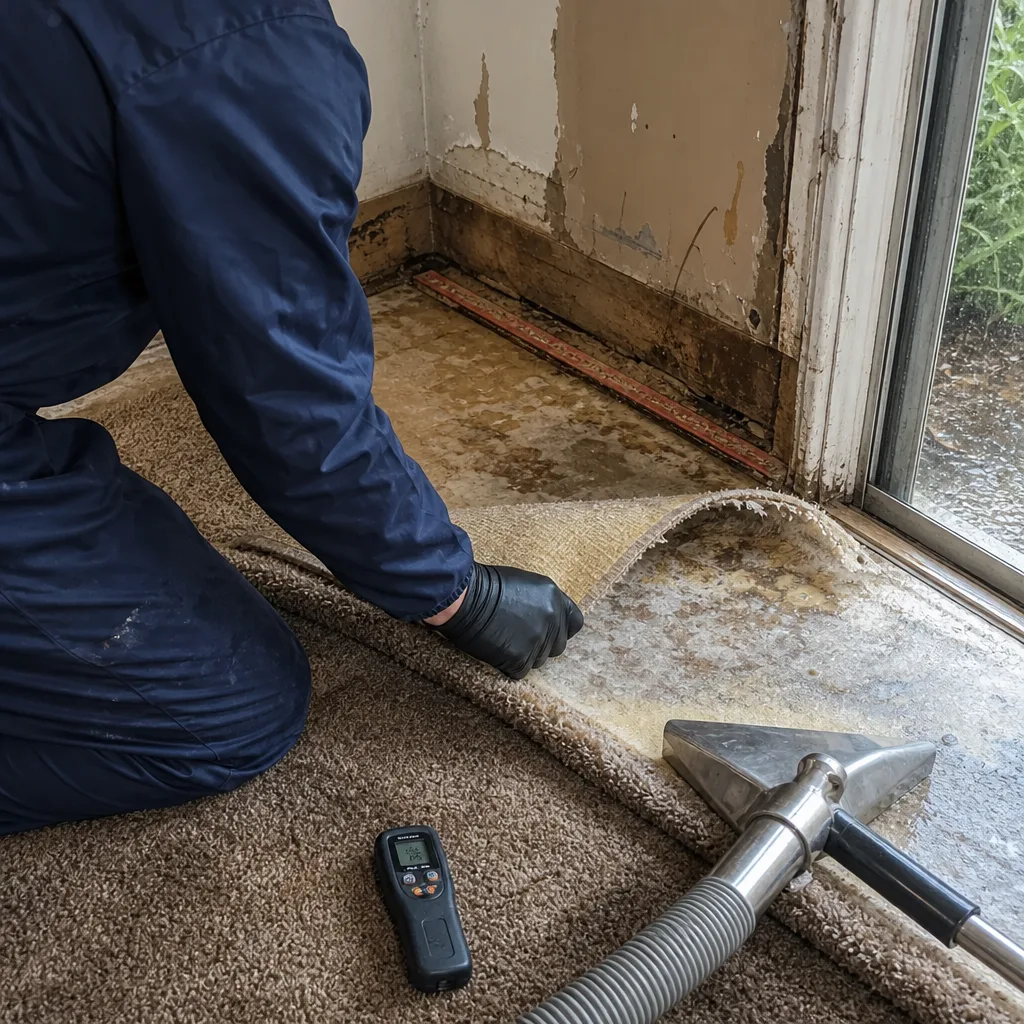
The first hour matters because water moves fast through Plantation’s 1960s-1980s concrete block construction. Hollow-core CBS walls absorb and channel water laterally while slab foundations wick moisture upward from the high water table beneath. Every minute of delay expands the actual damage footprint. Our Water Damage Restoration team arrives with thermal imaging, moisture meters, and extraction equipment to stop that spread and document everything for your insurer from minute one.
Understanding Water Damage Restoration Severity in Plantation Properties
Water damage classification follows three categories. Category 1 is clean water from a supply line - a burst copper pipe or failed water heater. Category 2 is gray water with contaminants - dishwasher discharge, washing machine overflow. Category 3 is black water: sewage, canal backup, or groundwater intrusion carrying pathogens. In Plantation, we see Category 1 degrade to Category 2 within 24-48 hours in unconditioned attic spaces where original 1970s HVAC ductwork runs, and Category 3 is common in western neighborhoods after canal overflow.
Moisture mapping reveals what eyes cannot. We use non-penetrating meters to scan drywall and tile, then confirm with penetrating probes at baseplate level. Psychrometric data - temperature, relative humidity, and vapor pressure differential, which is the force that drives moisture from wet materials into drier air - tells us when materials have reached dry standard, not just when they feel dry. In Plantation’s pre-1992 CBS homes, the dry standard for interior block walls is often higher than modern construction because the block itself retains residual moisture from decades of slab wicking.
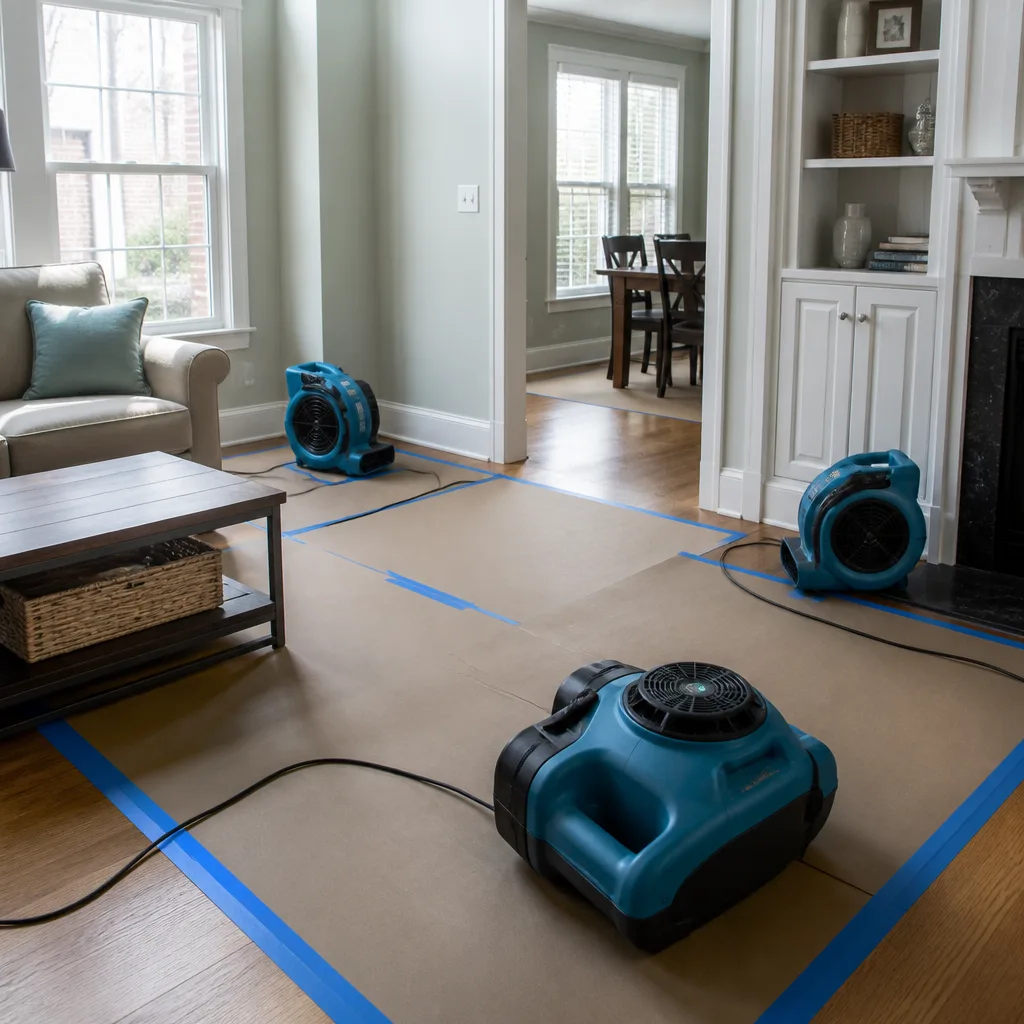
Structural drying requires calculating the cubic feet of affected space, the permeance of wet materials, and the latent load of evaporated water. A 1,200-square-foot Plantation ranch with 8-foot ceilings and saturated drywall might require 12-16 air movers and 3-4 large refrigerant dehumidifiers to maintain the 30-50% relative humidity window that prevents secondary mold growth. Tertiary drying - the final phase where bound moisture is pulled from dense materials like concrete slab - often takes longest here because of the high water table.
Why Plantation Property Owners Choose DryMark Restoration Miami
- 45-minute response commitment to Plantation addresses, with crews staged from our Miami (South FL) office for rapid dispatch across Broward County.
- 24/7 live answer - a real person picks up every call, never an automated system or voicemail tree, because water does not wait for business hours.
- IICRC-certified crews holding WRT (Water Damage Restoration Technician) and AMRT (Applied Microbial Remediation Technician) credentials, with license numbers provided on request.
- Free visual inspection and moisture assessment at your Plantation property before any equipment is deployed or charges incurred.
- Direct insurance billing with photo-documented drying logs and written scopes that adjusters recognize and pay without dispute.
- One team from extraction through reconstruction - no handoffs between mitigation and rebuild contractors that delay completion and fragment accountability.
Our Water Damage Restoration Process
1. Inspection & Assessment
We arrive with FLIR thermal imaging cameras, Tramex moisture encounter meters, and penetrating probes to map the full damage footprint. In Plantation’s CBS homes, we probe 10-15 feet past visible staining because hollow block cores channel water laterally. You receive a written scope and price before any work begins - Haven Standard, Clause 1.
2. Extraction & Stabilization
Standing water is removed with truck-mounted or portable extraction systems. For Plantation’s slab-on-grade homes, we extract from carpet and pad, tile grout lines, and any pooled areas. Furniture is blocked or moved to prevent stain transfer. Category 3 water triggers immediate antimicrobial application.
3. Drying & Dehumidification
We deploy Dri-Eaz and Phoenix refrigerant dehumidifiers, XPOWER and B-Air axial air movers, and Injectidry cavity-drying systems to force dry air through wall voids. Daily moisture readings are logged to IICRC standards, producing the documentation your adjuster needs to approve continued drying.
4. Cleaning & Sanitization
All affected surfaces receive HEPA vacuuming and antimicrobial treatment appropriate to water category. In Plantation’s older homes with original ductwork in unconditioned attics, we inspect HVAC systems for contamination and recommend duct cleaning when readings indicate.
5. Slab Moisture & Tertiary Drying
Unique to Plantation’s high-water-table conditions, we monitor slab moisture with calcium chloride testing and in-situ relative humidity probes. Tertiary drying of concrete may require extended dehumidification or directed heat - documented until readings confirm the slab will not wick moisture into new materials.
6. Repairs & Restoration
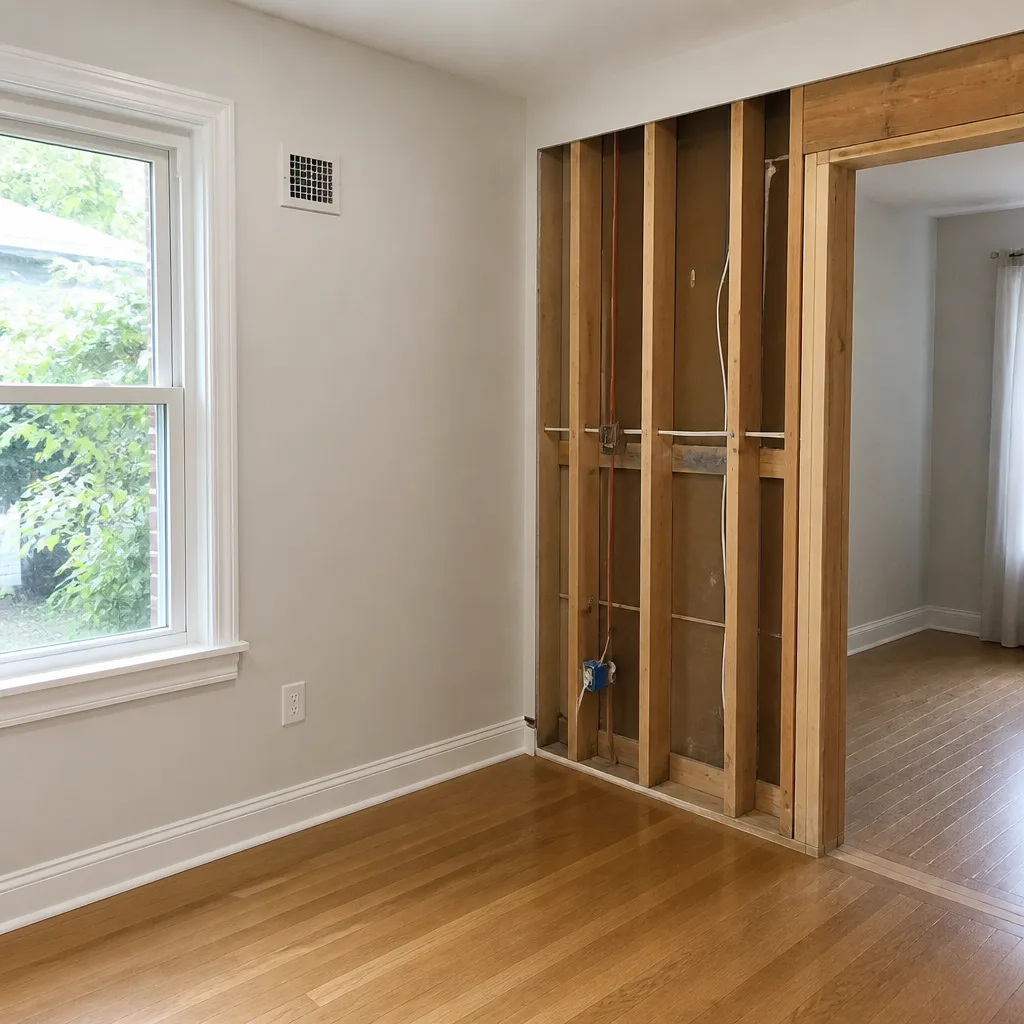
Once dry standard is verified, our reconstruction team replaces drywall, baseboards, flooring, and finish materials. The same crew that extracted the water oversees the rebuild, ensuring the repair scope matches the documented damage. The 365-Day Done Right Promise covers all work under The Haven Standard.
Need Emergency Water Damage Restoration in Plantation Now?
Crews minutes away, answering live 24 hours a day. The sooner we start, the less it costs.
Working With Your Insurance Company
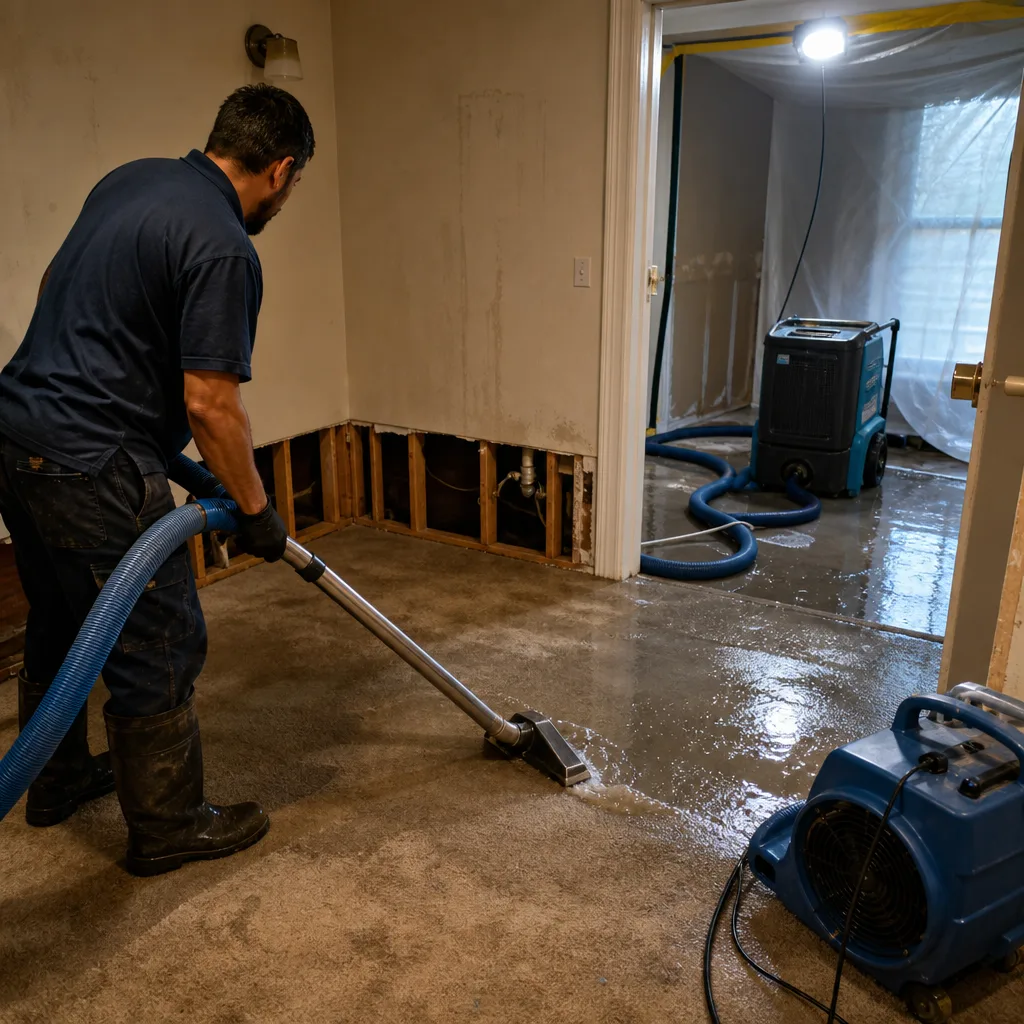
We document from the first hour because we know what adjusters require to pay a claim without delay. Every visit produces dated photos, moisture readings with meter model and calibration date, and a narrative drying log. Our estimates follow Xactimate or Symbility pricing standards, and we coordinate directly with your carrier’s adjuster - attending inspections, supplementing when hidden damage is found, and defending the scope we wrote.
Plantation homeowners in western neighborhoods like Plantation Acres face a specific coverage gap: many properties sit outside FEMA-mapped flood zones, so standard policies exclude canal overflow and groundwater intrusion. We identify this early, document the water source category accurately, and help you understand what your policy covers before mitigation proceeds. Our photo record becomes evidence if coverage disputes arise.
What We Provide Your Insurer
- Thorough documentation of the loss
- Photos of all damage, room by room
- Moisture readings and drying logs
- A detailed, line-item scope of work
- Direct coordination with your carrier
Built for Plantation’s Loss Calendar
January through March brings dry-season cold fronts with wind-driven rain against aging flat roofs - the built-up roofing on 1970s Plantation ranches cracks at seams and roof-to-wall joints, sending water into hollow block cores. April through October is wet season: afternoon thunderstorms with 2-4 inches in hours, plus tropical systems that overwhelm drainage. September and October peak for hurricane-related losses, but even tropical depressions cause repeated saturation that pre-1980 roofs cannot shed.
November and December see secondary mold calls from homeowners who delayed summer repairs. The original HVAC ductwork in unconditioned Plantation attics creates temperature differentials that condense moisture on cooler surfaces, accelerating mold in wall cavities that never dried properly. We schedule preventive inspections in fall for properties with summer water history.
Canal levels in the South Florida Water Management District system fluctuate seasonally. After heavy wet-season rains, western Plantation neighborhoods experience groundwater rise that pushes slab moisture upward - even without roof leaks, we see elevated readings at baseplate level from pure hydrostatic pressure.
Water Damage Restoration Across Plantation’s Neighborhoods
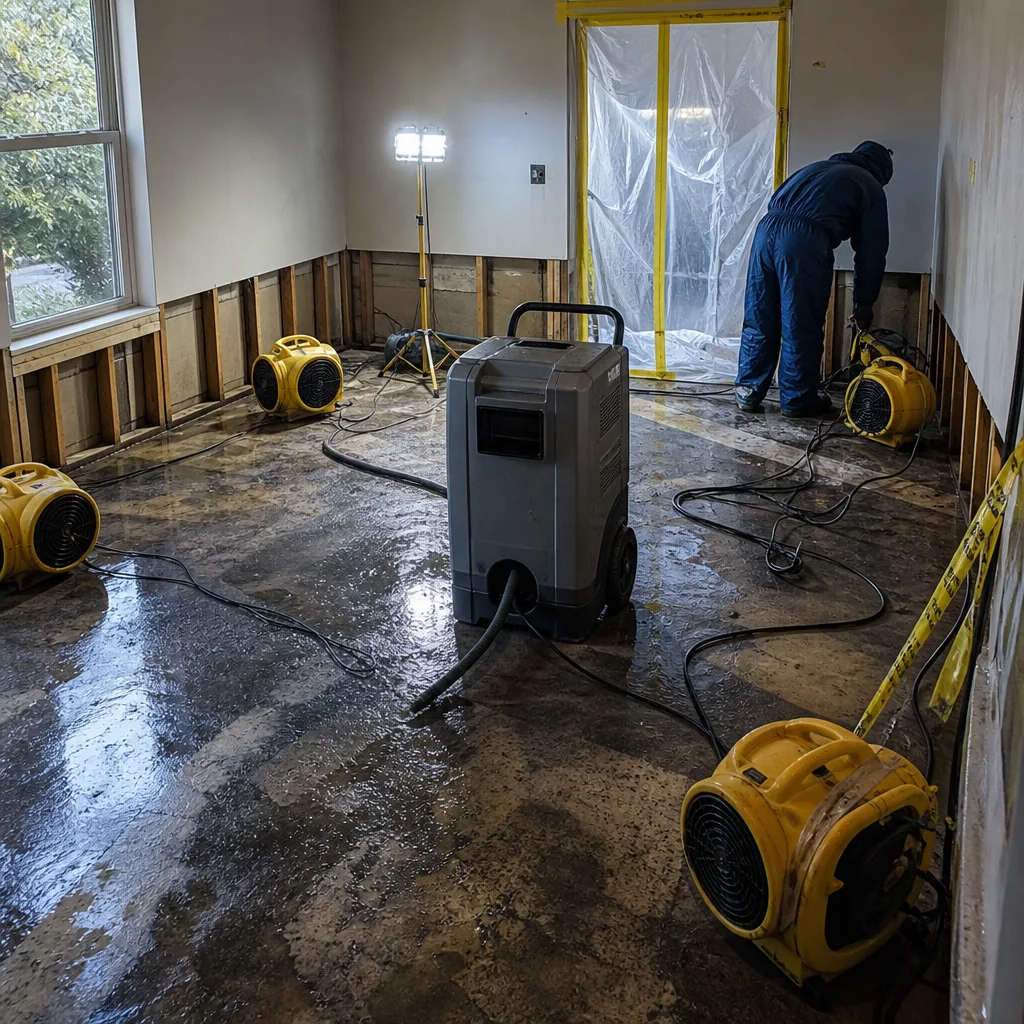
Plantation Acres, with its half-acre and larger lots on the city’s western edge, presents unique challenges. Longer driveways delay equipment staging. Detached workshops and outbuildings often hold tools and equipment that require content manipulation. Most critically, these properties sit outside FEMA flood zones - homeowners frequently lack flood coverage, making our free inspection and written scope essential before they commit to out-of-pocket mitigation.
The residential core around Broward Boulevard and University Drive corridors mixes 1960s-70s single-family ranches with older garden-style condominiums. Shared-wall construction in multi-unit buildings means water in one unit migrates to adjacent units through common block walls. We coordinate with association managers and multiple insurers simultaneously, documenting each unit’s damage separately while managing a single drying strategy for the building envelope.
Jacaranda and Plantation Gardens neighborhoods feature the classic CBS ranch profile: slab foundation, flat roof, original aluminum windows. Wind-driven rain penetrates at window perimeters and roof-to-wall joints, then travels laterally inside block walls. Homeowners here often call for a ceiling stain and discover two bedrooms and a hallway require mitigation.
South of Sunrise Boulevard, newer construction from the 1980s-90s still uses CBS but with better roof designs and modern vapor barriers. Even here, though, the high water table means slab moisture remains a factor. We never skip sub-slab readings, regardless of apparent construction quality.
Specialized Water Damage Restoration Services We Offer in Plantation
Emergency Water Extraction
Standing water is removed within hours of your call using truck-mounted extraction units capable of pulling 25+ gallons per minute. In Plantation’s slab homes, we extract from carpet pad, tile surfaces, and any pooled areas in garages or lanai spaces. Speed matters: Category 1 water becomes Category 2 in 24-48 hours in our climate.
Structural Drying & Dehumidification
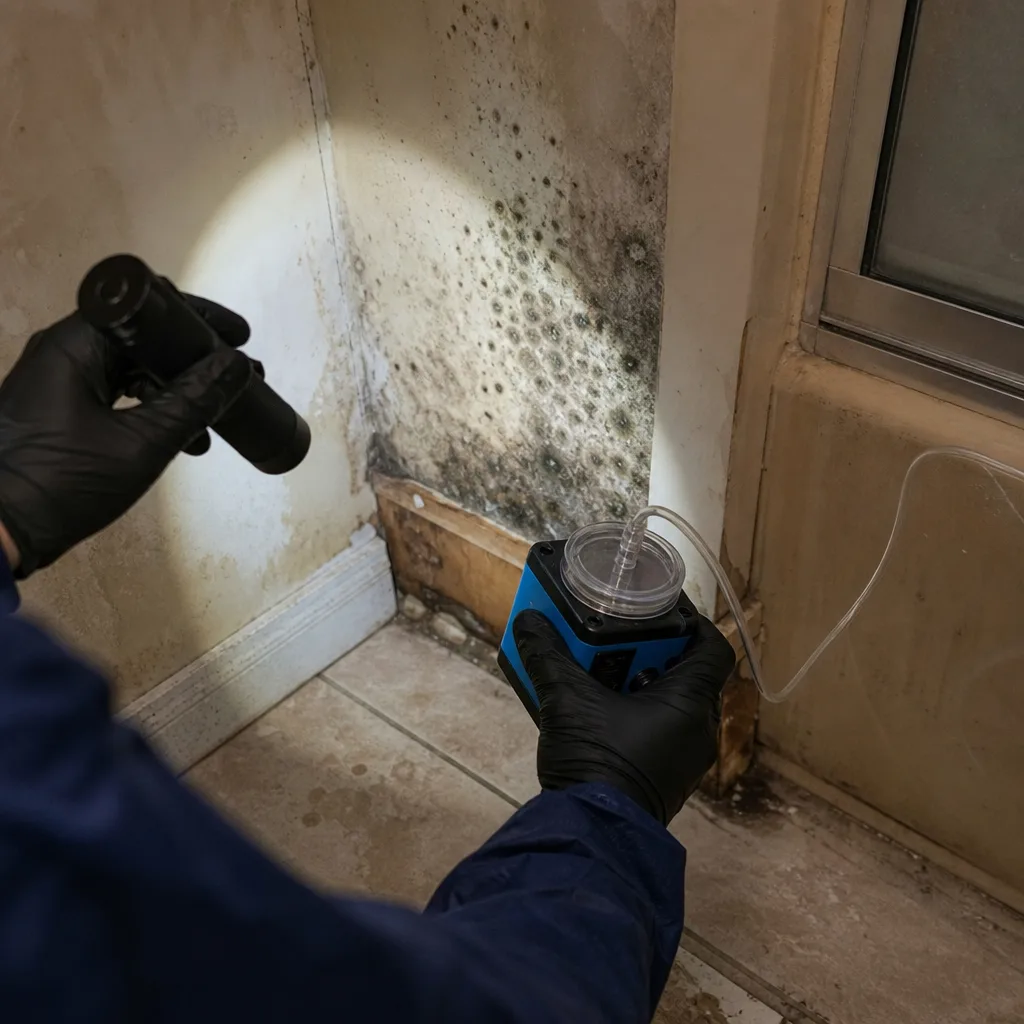
We calculate equipment loads based on cubic footage, material permeance, and vapor pressure differential - the measurable force that drives evaporation. Dri-Eaz and Phoenix dehumidifiers maintain 30-50% relative humidity while Injectidry systems force dry air through wall cavities. Daily logs track progress to IICRC standards.
Flood Cleanup
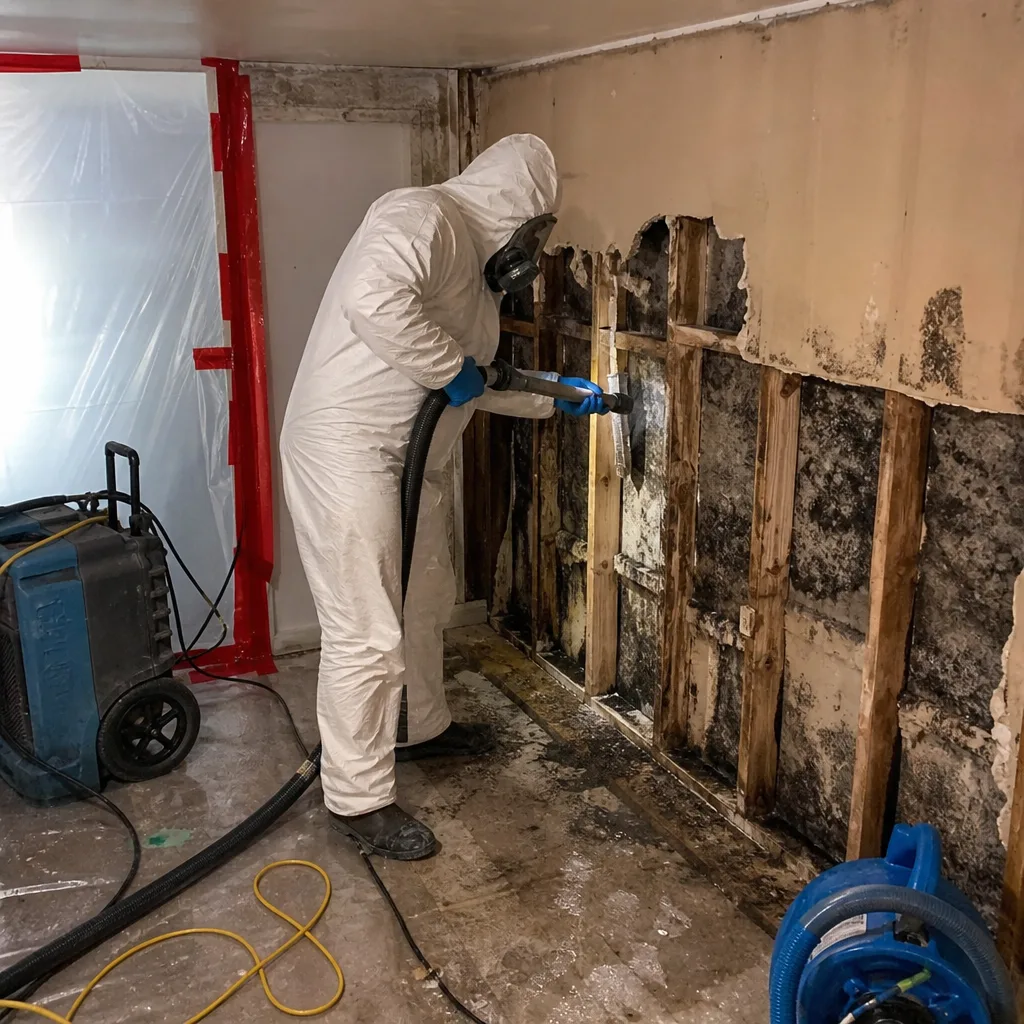
Plantation’s western neighborhoods face canal overflow and groundwater intrusion that standard policies exclude. We identify water source and category immediately, document for potential coverage disputes, and proceed with Category 3 protocols: extraction, antimicrobial application, and removal of contaminated porous materials.
Burst Pipe Restoration
Older copper and galvanized supply lines in pre-1980 Plantation homes fail at joints and elbows. We extract water, dry affected assemblies, and coordinate with licensed plumbers for line repair. Our scope separates mitigation from plumbing - you see exactly what each trade costs.

Ceiling & Roof Leak Water Damage
Flat and low-slope built-up roofs on Plantation’s 1960s-80s housing stock fail at seams, drains, and roof-to-wall joints. Water enters above and travels laterally in hollow block cores before interior staining appears. We probe the full wall run, not just the visible stain, and document the actual damage footprint for your adjuster.

Basement Water Removal
True basements are rare in Plantation’s high-water-table environment, but split-level homes and elevated additions sometimes have below-grade spaces. These require sump pump evaluation, hydrostatic pressure assessment, and specialized sub-slab drainage considerations before drying begins.

What happens when you call
- 1
A real person answersNo phone trees - you reach a local pro.
- 2
You get an upfront price rangeHonest numbers before anyone is dispatched.
- 3
A background-checked tech heads outLicensed & insured, dispatched right away.
- 4
You approve before work beginsNothing starts until you say go.
Water Damage Restoration Costs in Plantation, FL
| Service | Typical Range in Plantation |
|---|---|
| Emergency water extraction (up to 1,000 sq ft) | $450 - $900 |
| Structural drying & dehumidification (3-5 days) | $1,800 - $3,500 |
| Category 3 flood cleanup with antimicrobial treatment | $3,500 - $7,500 |
| Ceiling/roof leak mitigation with cavity drying | $2,200 - $5,000 |
| Full mitigation + rebuild (typical Plantation ranch) | $8,000 - $18,000 |
What moves the price: water category (Category 3 requires more labor and disposal), affected square footage, whether demolition is needed to access wet cavities, and the duration of drying before mold colonization begins. Insurance typically covers sudden and accidental water damage from internal sources; flood and long-term leaks often fall to the homeowner. We provide a written price before work starts - Haven Standard, Clause 1 - and offer a Free Second Opinion on any competitor’s written estimate.
We Also Serve Cities Near Plantation
Our crews respond throughout central and eastern Broward County from our South Florida office. We regularly handle Water Damage Restoration in Plantation and surrounding communities including Fort Lauderdale to the east, Margate and Coconut Creek to the north, and Pompano Beach to the northeast. Each city’s building stock and water table conditions inform our approach - we do not apply a single template across different markets.
Serving Plantation, FL - Our Local Coverage Area
We’re based in the Plantation area and know this community well. Use the map below to see our service coverage - if you’re nearby, we can almost certainly help.
Plantation Water Damage Restoration Questions, Answered
Why did my Plantation home’s water damage turn out to be so much bigger than the wet spot I saw?
Water travels laterally inside the hollow cores of pre-1980 concrete block walls, often moving 10-15 feet from the entry point before surfacing as a visible stain. We probe with moisture meters and thermal imaging to find the actual footprint, which routinely runs two to three times larger than the visible damage in Plantation’s CBS homes. Call (786) 250-0820 for a free inspection that maps the full extent.
Plantation Acres is outside the FEMA flood zone - does that change how you handle flood cleanup?
Yes, because lack of flood coverage means you pay mitigation costs directly. We identify water source and category immediately, document for potential coverage disputes, and provide a written scope before any work begins so you know exact costs. Our photo record supports any later coverage appeal. Call (786) 250-0820 to discuss your specific situation.
My Plantation home’s flat roof leaked during a storm and now the slab feels damp too - is that normal here?
It is common in Plantation’s pre-1980 housing stock. The high water table on former Everglades wetland soil creates bottom-up slab moisture wicking, while the failed flat roof adds top-down intrusion. Effective mitigation must address both fronts simultaneously with roof leak extraction and slab-focused dehumidification. We document both moisture sources for your adjuster. Call (786) 250-0820 for assessment.
How fast does mold matter in a Plantation water-damage job?
Mold colonization begins in 24-48 hours in South Florida’s climate, and pre-1980 Plantation homes with unconditioned attic ductwork create ideal temperature differentials for spore growth inside wall cavities. We apply antimicrobial within hours for Category 2 and 3 water, and maintain drying conditions that prevent secondary growth. Delayed calls are why we see mold on nearly every job started after day three. Call (786) 250-0820 immediately.
Do you treat all water damage in Plantation as the same category?
No. Category 1 clean water, Category 2 gray water, and Category 3 black water each require different safety protocols, demolition scopes, and antimicrobial applications. Canal overflow in western Plantation is Category 3; a burst supply line is Category 1 until it degrades. We test and document the actual category, because mistaking it affects both health outcomes and insurance coverage. Call (786) 250-0820 for proper classification.
Will my insurance cover water damage restoration in Plantation?
Sudden and accidental damage from internal sources - burst pipes, water heater failures, appliance leaks - is typically covered. Flood, groundwater intrusion, and long-term maintenance issues usually are not. We document the source, category, and timeline to support your claim, coordinate directly with adjusters, and provide the drying logs that turn restoration invoices into payable claims. Call (786) 250-0820 and we will review your policy implications before work starts.
How long does structural drying take in a typical Plantation home?
Most Plantation ranches require 3-5 days of active drying, with tertiary slab drying adding 1-2 days in high-water-table conditions. We verify dry standard with calibrated moisture meters, not guesswork, and provide daily logs showing progress. Rushing to rebuild before the slab and block walls reach proper readings causes mold callbacks and failed inspections. Call (786) 250-0820 for a realistic timeline based on your specific damage.
What should I do in the first 30 minutes after discovering water damage?
Stop the water source if safe: shut off the main supply valve, typically near the street or in the garage for Plantation homes. Do not enter standing water if electrical outlets are submerged. Call (786) 250-0820 immediately - we answer live 24/7 and can guide you through immediate safety steps while dispatching crews. Do not delay hoping it will dry on its own; in our climate, it will not.
We got a call from a homeowner on a half-acre lot in Plantation Acres whose flat built-up roof failed at the roof-to-wall joint during a summer storm; the interior stain was a two-foot patch in the hallway, but when we probed the hollow CBS cores, water had traveled 12 feet laterally into two bedrooms. We ran moisture mapping and readings along the entire wall run, set up Injectidry and Dri-Eaz equipment, and pulled the actual damage footprint out to nearly three times what the homeowner expected - all documented in the drying logs for the adjuster.
Plantation’s 1960s-80s CBS block homes sit on former Everglades wetland with a high water table and no modern vapor barrier, so water damage here is routinely two-front: wind-driven rain through aging flat roofs from above and slab moisture wicking up from below at the same time. Generic restoration approaches that address only the visible leak miss half the problem and guarantee callbacks. Our crews are trained to probe both fronts, document both moisture sources, and dry both pathways before any rebuild begins.
Written by Alicia Brennan, Owner at DryMark Restoration Miami, serving Plantation since 2011 under The Haven Standard.
Water Damage Restoration in Nearby Areas