
Free visual inspection and a written scope of work before any mitigation begins - photos, moisture readings, and drying logs go in your claim file
The scope we write is the scope we bill. Anything new gets shown to you, in writing, before we touch it.
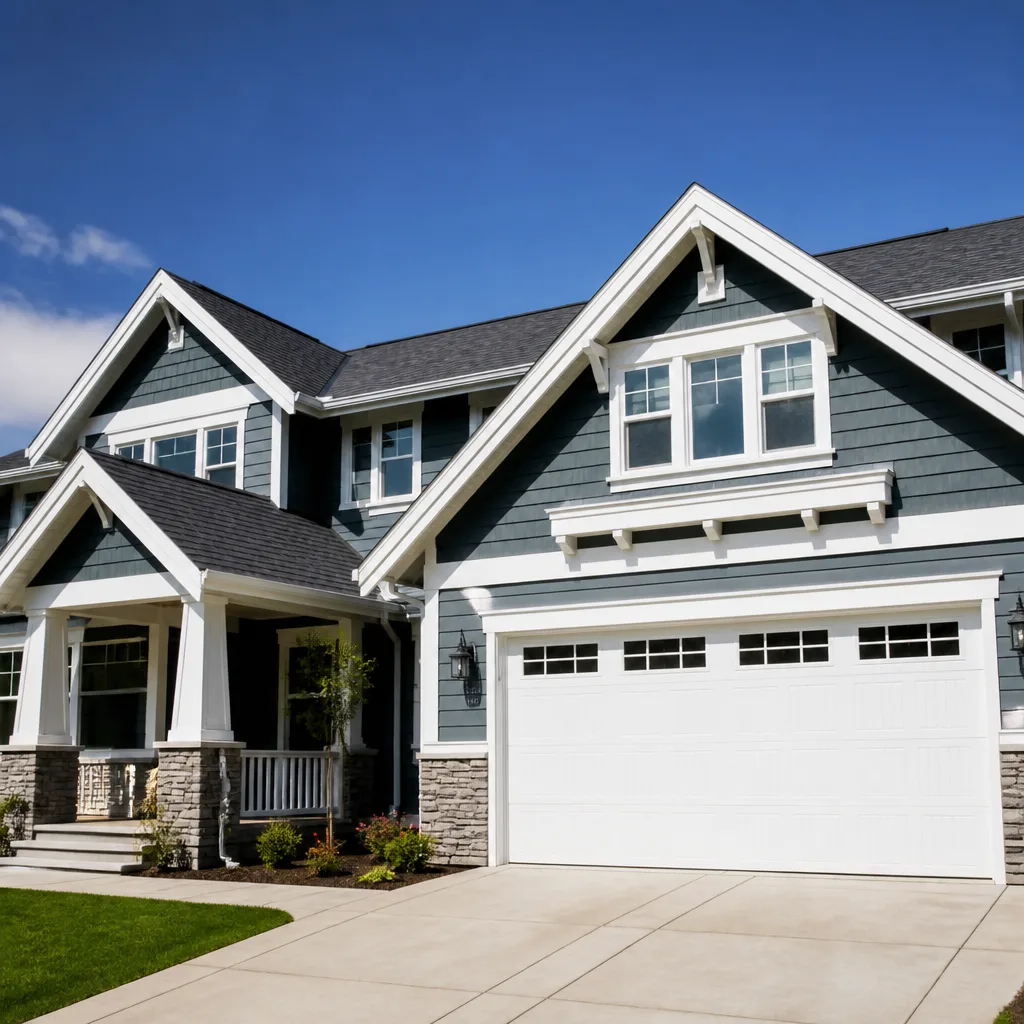
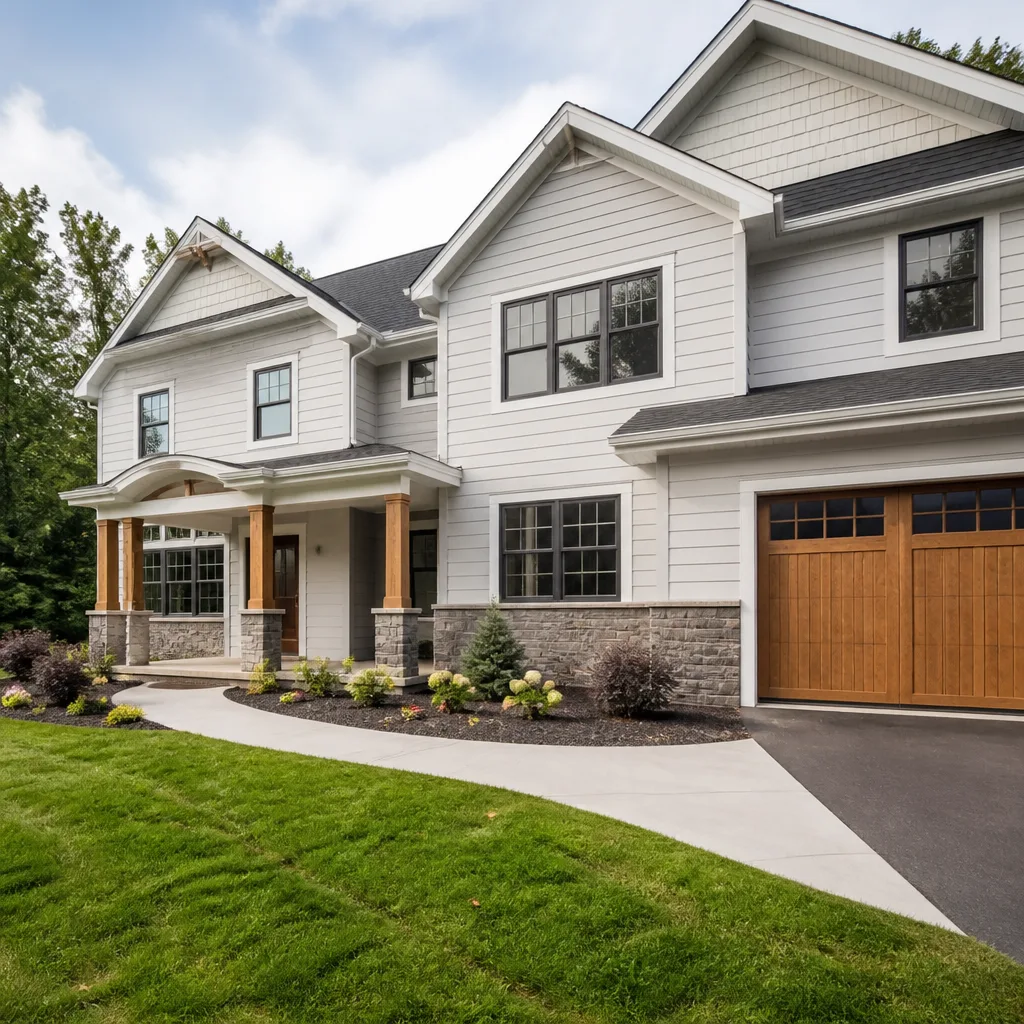
24/7 Emergency Water Damage Restoration in Coral Gables
Water damage in a Coral Gables home can escalate from contained to catastrophic in under an hour. If you’re facing an active intrusion right now, call (786) 250-0820. A live person answers every call, 24 hours a day, 7 days a week. No voicemail trees, no callbacks tomorrow while water keeps moving through your walls.
Our crews dispatch throughout Coral Gables from our Miami (South FL) office, typically arriving within 45 minutes for emergency calls. We start with a free visual inspection, then deliver a written price before any work begins. The first hour matters because water doesn’t stay where it lands. In Coral Gables’s historic Mediterranean Revival homes, porous oolitic limestone foundations and lime plaster wall systems wick moisture laterally through the wall plane far beyond the visible stain. Every minute of delay expands the affected area and pushes the drying timeline.
Understanding Water Damage Restoration Severity in Coral Gables Properties
Water damage severity is classified by contamination level, not just volume. Category 1 is clean water from a supply line. Category 2 carries significant contamination, dishwasher or washing machine discharge. Category 3 is grossly contaminated: sewage, seawater intrusion, or water that has passed through soil or building cavities. In Coral Gables, Category 3 events are common after storm surge or tidal flooding from the Coral Gables Waterway and its finger canals.
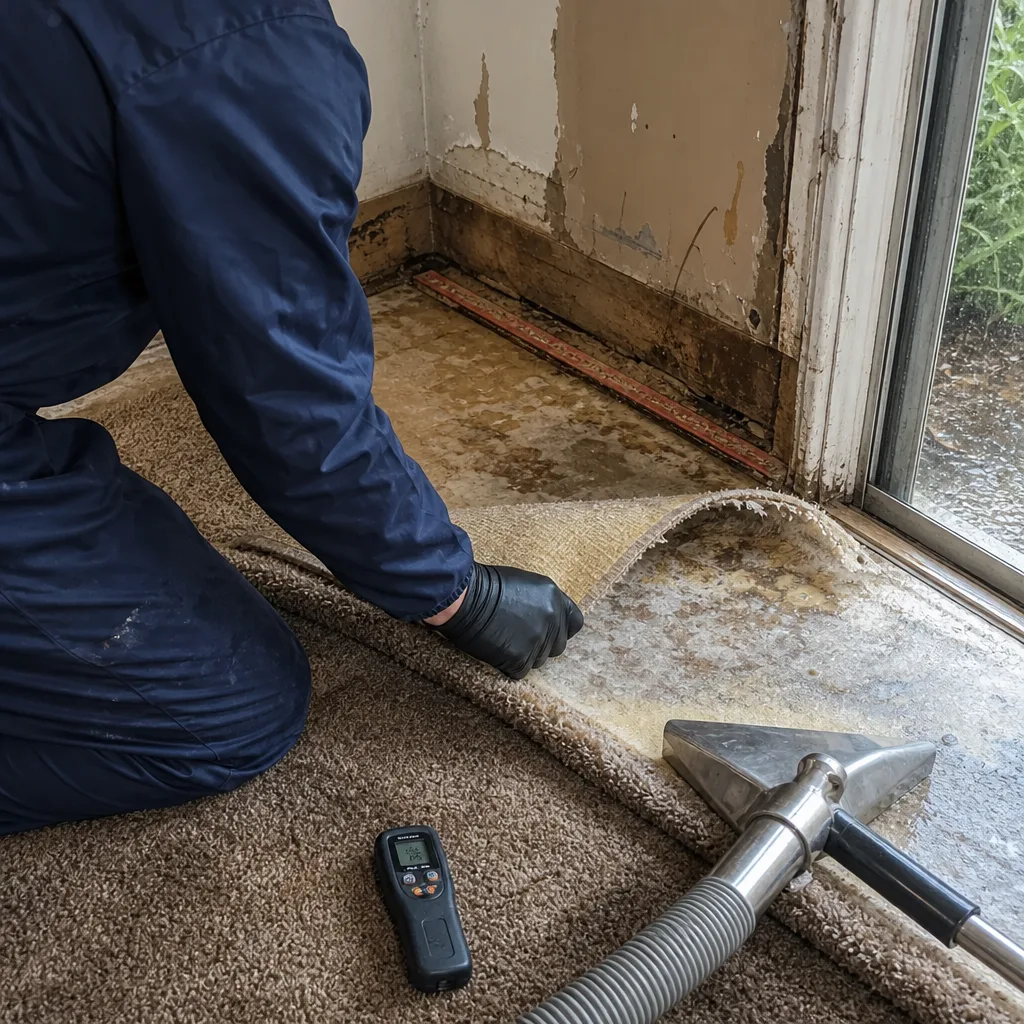
Moisture mapping - systematic measurement with calibrated meters and thermal imaging - reveals the true extent of migration. Structural drying uses controlled airflow, temperature, and vapor pressure differential (the force that drives moisture from wet materials into the air) to return building assemblies to dry standard without unnecessary demolition.
Coral Gables’s housing stock complicates every category. Homes built 1920-1955 with coral rock masonry, lime plaster over wood lath, and original-growth pine framing behave nothing like modern CMU-and-drywall construction. Coral rock wicks and retains moisture deep in the wall plane. Lime plaster delaminates from wood lath in ways that are historically sensitive to remediate. No modern vapor barriers means mold colonizes concealed cavities faster. A Category 1 supply line break in a Gables historic home can produce Category 2 or 3 conditions if the water has moved through contaminated building cavities.
Why Coral Gables Property Owners Choose DryMark Restoration Miami
- 45-minute response commitment to Coral Gables addresses - we know water doesn’t wait for business hours, and neither do we.
- 24/7 live answer - a real person, never an automated system or voicemail tree, picks up every emergency call.
- IICRC-certified crews - our technicians hold WRT (Water Damage Restoration Technician), FSRT (Fire & Smoke Restoration Technician), and AMRT (Applied Microbial Remediation Technician) certifications, with license numbers documented on every job.
- Free visual inspection - we assess the loss, explain what we found, and deliver a written scope with no obligation.
- Direct insurance billing - we coordinate with your adjuster, provide photo-documented evidence, and handle the paperwork so your claim moves.
- One team from extraction to reconstruction - no handoffs between contractors, no gaps in documentation, no conflicting scopes.
Our Water Damage Restoration Process
1. Inspection & Assessment
We arrive with moisture meters, thermal imaging cameras, and hygrometers to map the full extent of water migration. In Coral Gables’s coral rock homes, we meter the limestone itself, not just surface materials, because wicking behavior hides saturation from visual inspection alone. Every reading is logged.
2. Extraction & Stabilization
Standing water comes out first with truck-mounted extraction systems and portable submersible pumps. We deploy containment barriers to isolate unaffected areas and prevent cross-contamination. If the intrusion is Category 2 or 3, affected porous materials are flagged for removal per IICRC S500 standards.
3. Drying & Dehumidification
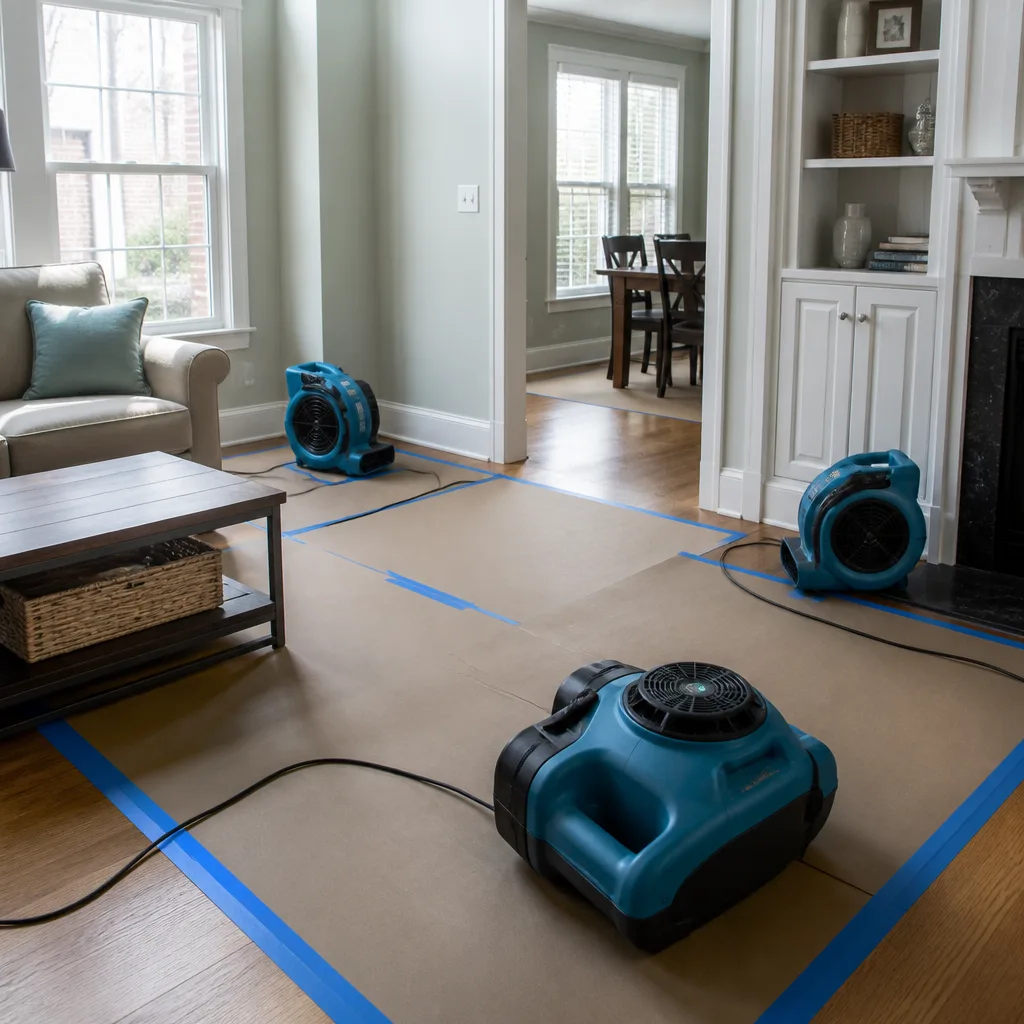
We calculate the precise drying chamber using psychrometric data - temperature, relative humidity, and specific humidity readings - then deploy air movers and dehumidifiers from Dri-Eaz, Phoenix, and XPOWER. For historic lime plaster and coral rock assemblies, we adjust airflow patterns to avoid delamination while maintaining vapor pressure differential sufficient to pull moisture from deep in the masonry.
4. Cleaning & Sanitization
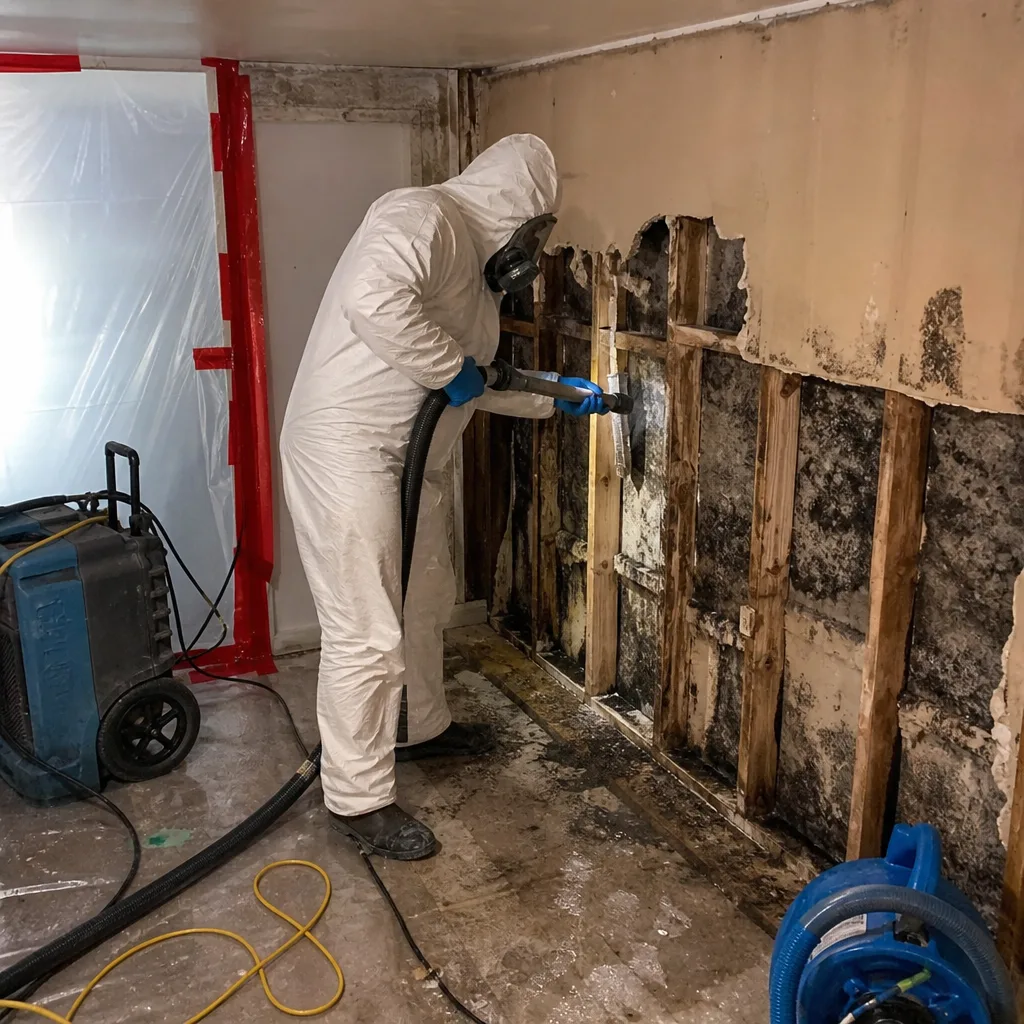
All affected surfaces receive antimicrobial treatment appropriate to the water category. HEPA air scrubbers run continuously during this phase to capture airborne particles. We document every product used and every surface treated for your insurance file.
5. Historic Material Assessment & Preservation
For Coral Gables contributing properties, we evaluate whether lime plaster, wood lath, and coral rock can be dried in place or require selective removal. If removal is necessary, we source period-appropriate stucco mixes and compatible finishes to satisfy Historic Preservation Board material-matching requirements before reconstruction begins.
6. Repairs & Restoration
Our reconstruction crew returns the space to pre-loss condition using the documented scope. Every repair is photographed, every moisture reading verified, and the full drying log delivered with your final invoice. The 365-Day Done Right Promise applies to all work.
Need Emergency Water Damage Restoration in Coral Gables Now?
Crews minutes away, answering live 24 hours a day. The sooner we start, the less it costs.
Working With Your Insurance Company
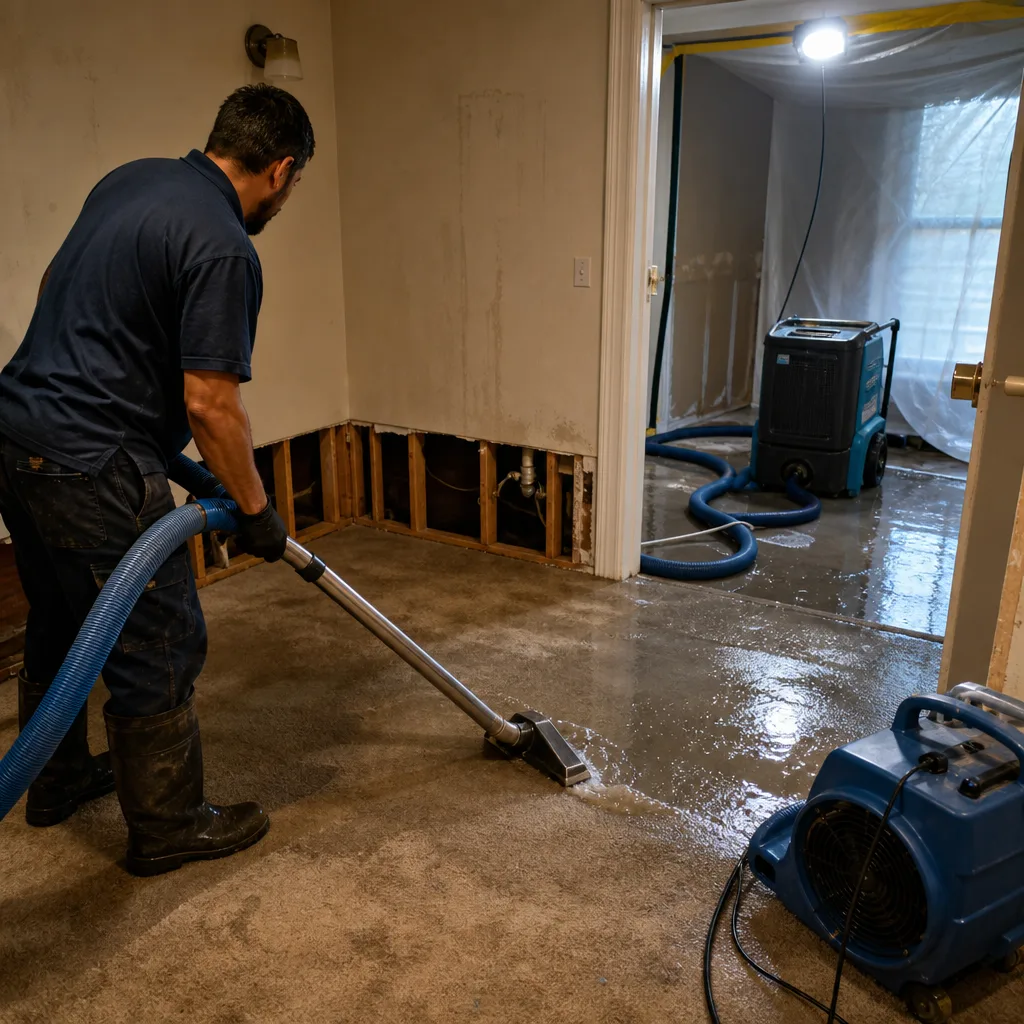
Insurance claims live or die on documentation. We know this because DryMark Restoration Miami was built by a former claims adjuster who watched homeowners lose coverage over missing photos, incomplete moisture logs, and scopes that didn’t match the damage. We document from the first hour: every meter reading, every photograph, every product applied.
Our estimates follow industry-standard formats your adjuster recognizes. We communicate directly with your carrier, provide supplemental documentation when questions arise, and never ask you to fight your own claim. The photo record and drying logs we produce turn restoration invoices into payable claims.
What We Provide Your Insurer
- Thorough documentation of the loss
- Photos of all damage, room by room
- Moisture readings and drying logs
- A detailed, line-item scope of work
- Direct coordination with your carrier
Built for Coral Gables’s Loss Calendar
January through April brings the dry season, but cold snaps can split copper supply lines in unconditioned utility spaces and attic plumbing. May through October is the wet season, when relative humidity pushes near 100% and afternoon thunderstorms dump inches in hours. Hurricane season peaks August through October; storm surge from the Coral Gables Waterway and tidal flooding on low-lying streets near the canals become real threats even without a direct hit.
The increasingly frequent “sunny day” tidal flooding events, driven by sea-level rise and king tides, push canal water backward through storm drains and into ground-floor spaces. These are Category 3 intrusions: seawater, sediment, and whatever the water picked up moving through soil and building cavities. November and December see cold fronts with driving rain that finds every compromised roof tile and flashing gap in 80-year-old clay barrel tile roofs.
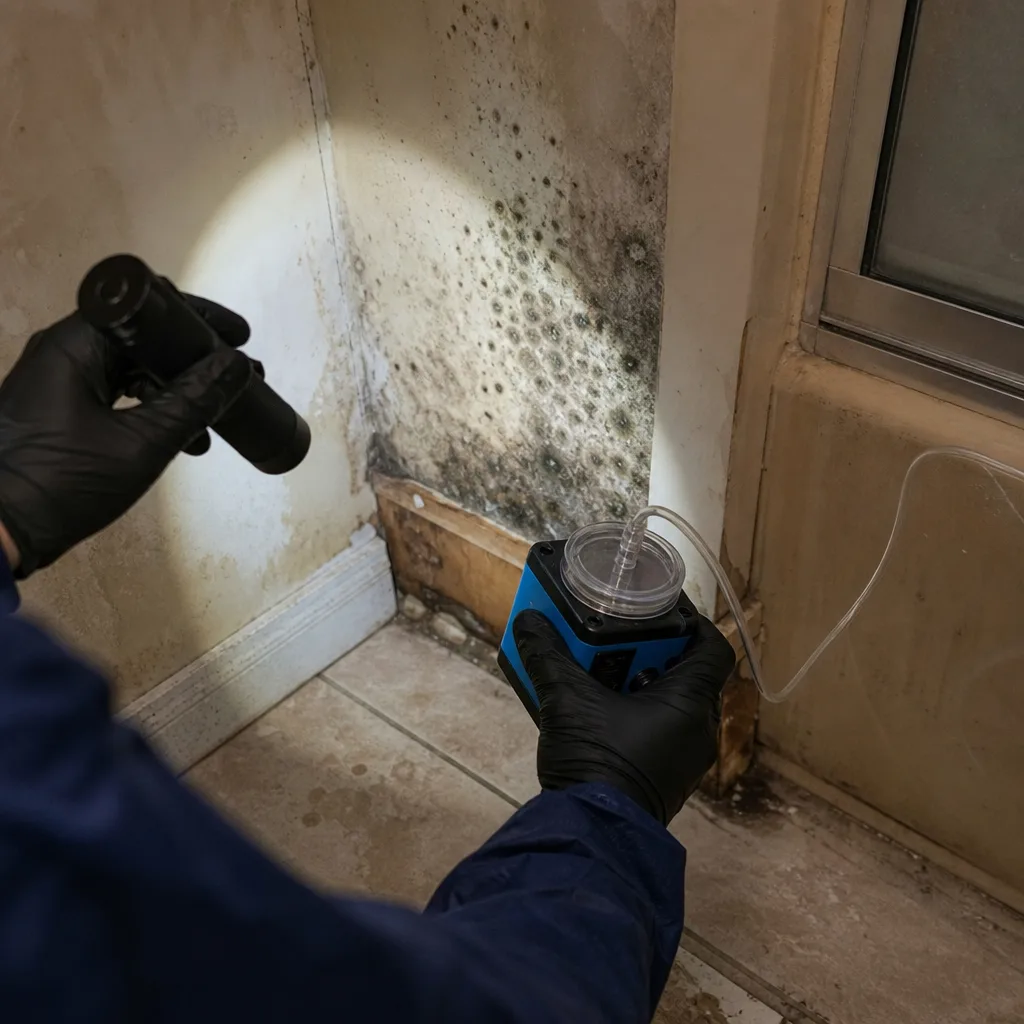
Year-round, the combination of high humidity and porous historic building materials means mold growth thresholds arrive fast. A water-damaged lime plaster wall cavity in July can reach dangerous microbial levels within 24-48 hours.
Water Damage Restoration Across Coral Gables’s Neighborhoods
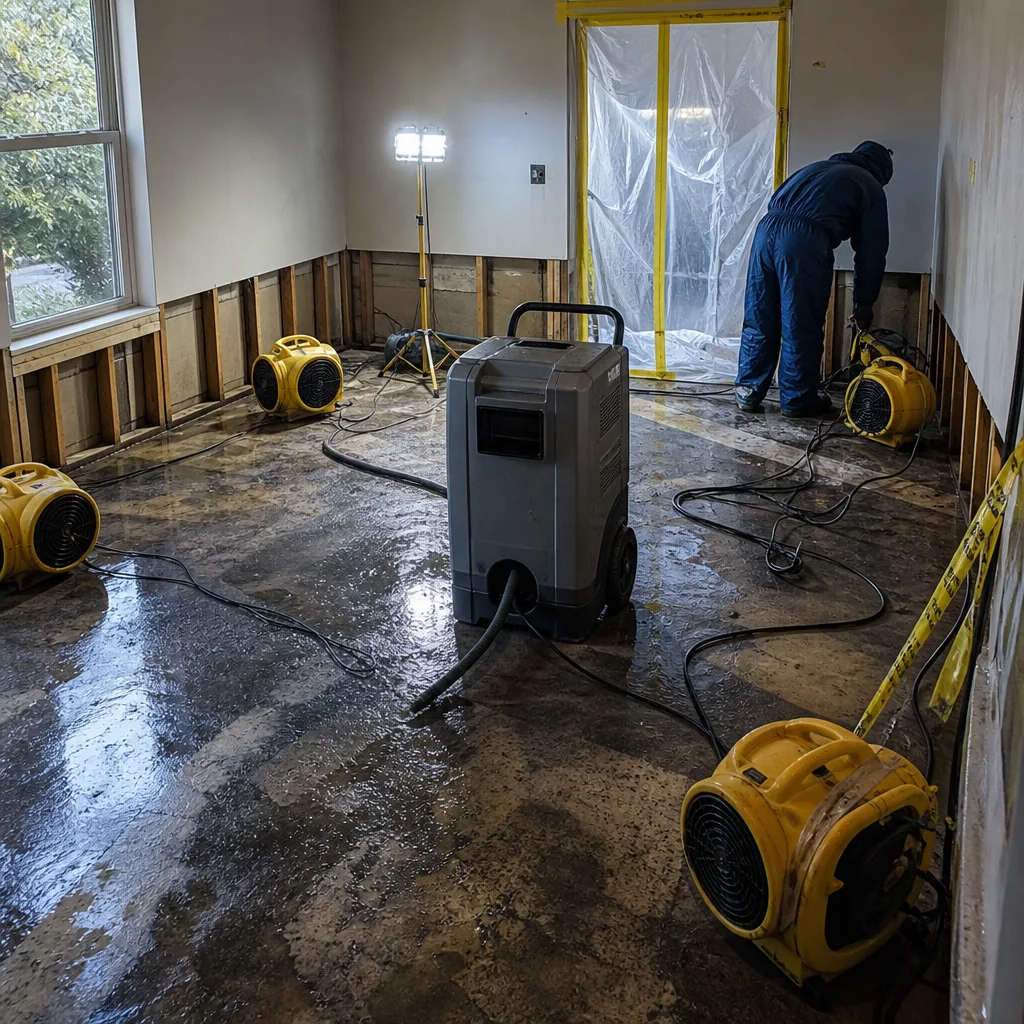
Our crews know the building types and typical loss patterns across Coral Gables’s distinct areas.
Coral Gables Waterway canal-front homes face the dual threat of storm surge and tidal flooding. Original oolitic limestone foundations sit below modern flood elevations on many properties. We meter the coral rock six feet past any visible tide line because lateral wicking is the norm, not the exception.
The Country Club Prado and Granada areas contain some of the city’s oldest 1920s estates, many with original clay barrel tile roofs, unlined copper gutters, and lime plaster interiors that have survived nearly a century. Roof leaks here demand careful moisture mapping of the full ceiling and wall plane, not just the visible stain.
Downtown Coral Gables along Miracle Mile and the Ponce de Leon corridor mixes historic commercial buildings with mid-century and newer construction. Mixed-use properties with residential above retail present vertical migration risks: water from an upper unit travels through multiple floors before appearing.
The Riviera and Cocoplum areas include newer waterfront homes, but many sit on filled land with high water tables. Basement and below-grade water intrusion is common, and the groundwater is often brackish, pushing any intrusion toward Category 2 or 3 contamination.
Specialized Water Damage Restoration Services We Offer in Coral Gables
Emergency Water Extraction
Standing water comes out immediately with truck-mounted and portable extraction systems. In Coral Gables’s historic homes, we assess whether the subfloor is original pine over coral rock or a later modification before selecting extraction tools. The wrong equipment on fragile historic assemblies causes damage that isn’t water-related.
Structural Drying & Dehumidification
We deploy Dri-Eaz and Phoenix dehumidification systems sized to the cubic volume and material density of your specific building. Coral rock and lime plaster hold more moisture than standard drywall and require longer drying cycles with adjusted airflow. We produce daily moisture logs showing progressive drying until dry standard is achieved.
Flood Cleanup
Flood events in Coral Gables, whether from storm surge, tidal backflow, or overwhelmed drainage, bring Category 3 contamination. We remove all affected porous materials, apply antimicrobial treatment to structural elements, and document every decision for your insurance claim. Canal-front properties often require specialized assessment for saltwater corrosion of mechanical and electrical systems.
Burst Pipe Restoration
Supply line breaks in older homes often involve original galvanized steel or early copper with pinhole corrosion. We extract the water, dry the affected assemblies, and coordinate with licensed plumbers for the repair. Our scope addresses both the immediate water damage and any secondary damage from pressure loss or contamination.
Basement Water Removal
Below-grade spaces in Coral Gables face groundwater intrusion, especially in filled areas near the waterfront. We install temporary sump systems, extract standing water, and apply vapor barrier recommendations where the original construction lacked them. Historic homes with original basement spaces require particular care to avoid damaging irreplaceable finishes.
Ceiling & Roof Leak Water Damage
Clay barrel tile roofs, common throughout Coral Gables’s historic districts, fail at flashing points, valley intersections, and where original underlayment has degraded. Water travels the roof deck before entering, so the visible ceiling stain is rarely the full story. We map the full migration path, dry the ceiling cavity, and document whether the roof repair is a separate trade or part of our restoration scope.

What happens when you call
- 1
A real person answersNo phone trees - you reach a local pro.
- 2
You get an upfront price rangeHonest numbers before anyone is dispatched.
- 3
A background-checked tech heads outLicensed & insured, dispatched right away.
- 4
You approve before work beginsNothing starts until you say go.
Water Damage Restoration Costs in Coral Gables, FL
We deliver a written price before any work begins on every job. No exceptions. Here are typical ranges for Coral Gables’s market:
| Service | Typical Range in Coral Gables |
|---|---|
| Emergency water extraction (up to 500 sq ft) | $350 - $750 |
| Structural drying & dehumidification (per day) | $150 - $400 |
| Category 1 clean water dry-out (full service) | $1,800 - $4,500 |
| Category 2 gray water remediation | $3,500 - $7,500 |
| Category 3 black water / flood cleanup | $6,000 - $15,000+ |
| Historic lime plaster / coral rock remediation | Add 25-40% for material-matching and extended drying |
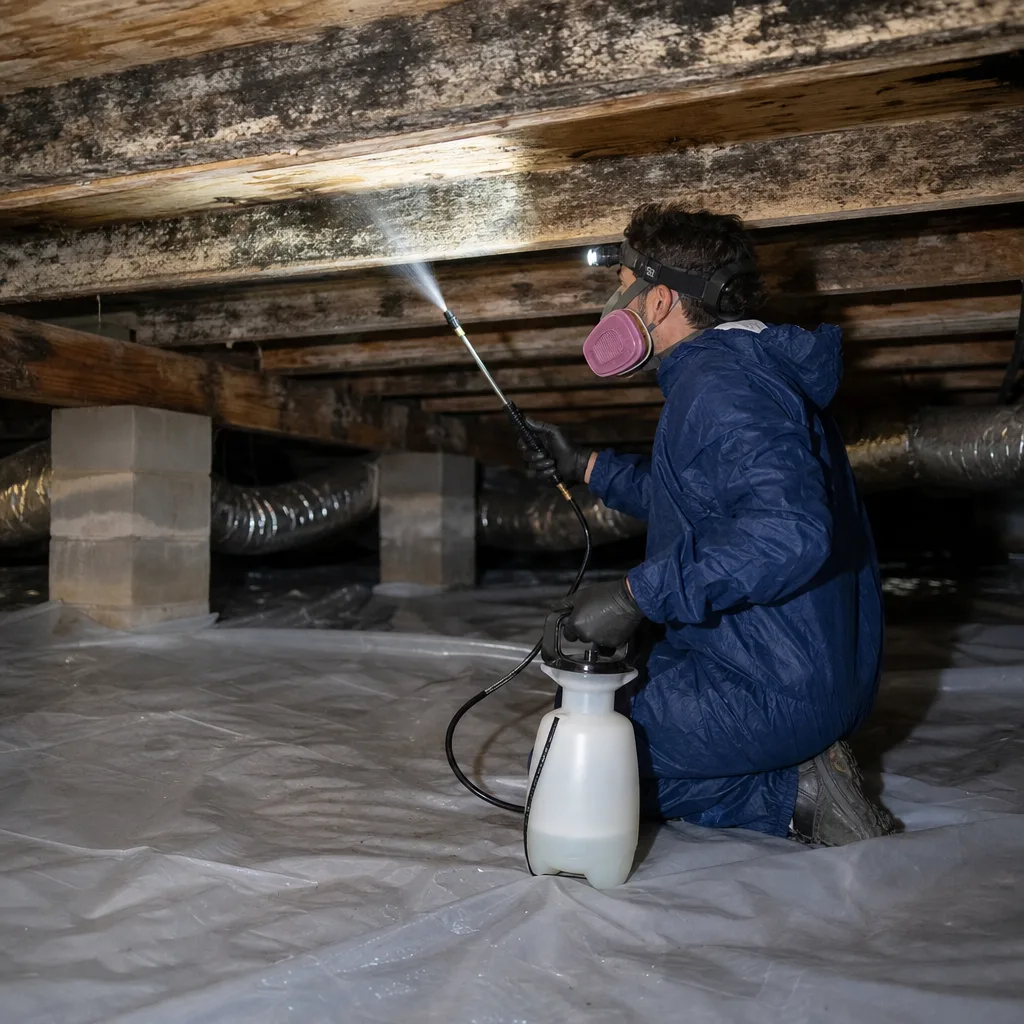
| Mold remediation following water damage | $2,000 - $8,000 depending on affected square footage |
What moves the price: water category, affected square footage, material type (coral rock and lime plaster require extended drying), accessibility, and whether Historic Preservation Board compliance is required. Most Coral Gables water damage claims are insurance-covered; we bill your carrier directly. Out-of-pocket costs typically apply to deductibles and any upgrades beyond like-kind replacement. Call (786) 250-0820 for a free inspection and written scope.
We Also Serve Cities Near Coral Gables
Our Water Damage Restoration crews respond throughout the metro area. We also provide Water Damage Restoration in Coral Gables and surrounding communities including Miami, Key Biscayne, Miami Beach, and Hialeah. Same documentation standards, same written-price guarantee, same live-answer dispatch.
Serving Coral Gables, FL - Our Local Coverage Area
We’re based in the Coral Gables area and know this community well. Use the map below to see our service coverage - if you’re nearby, we can almost certainly help.
Coral Gables Water Damage Restoration Questions, Answered
Why does water damage spread differently in a Coral Gables coral rock home than in a newer Miami house?
Coral rock is porous oolitic limestone that wicks moisture laterally through the wall plane far beyond the visible intrusion point. Modern CMU block and drywall systems contain water in a discrete area; coral rock distributes it. Our moisture mapping accounts for this by metering the limestone itself and tracking readings six feet or more past any visible stain. Call (786) 250-0820 if you suspect hidden saturation.
Can you dry out lime plaster over wood lath, or does it have to come out?
Often it can be dried in place with controlled airflow and dehumidification, but the decision depends on water category, contamination level, and whether delamination has begun. We test adhesion between plaster and lath, measure moisture content at multiple depths, and document our recommendation with photos. If removal is necessary on a contributing historic property, we source period-appropriate materials for Historic Preservation Board compliance. Call (786) 250-0820 for an assessment.
Do Coral Gables historic preservation rules affect water damage restoration?
Yes. The Historic Preservation Board requires material-matching and special permitting for structural work on contributing properties. We cannot substitute modern drywall or CMU block for original lime plaster and coral rock without approval. Our scopes specify period-appropriate stucco mixes, coral rock infill, and compatible finishes to prevent stop-work orders. This adds complexity and cost, which we document for your insurer. Call (786) 250-0820 to discuss your property’s status.
How fast does mold start after a water intrusion in a Coral Gables home?
In Coral Gables’s wet season, with relative humidity near 100% and no vapor barriers in historic wall cavities, mold can colonize within 24-48 hours of intrusion. The lime plaster and wood lath assemblies common in 1920s-1950s homes provide ideal organic substrate. We begin drying immediately and take daily moisture readings until the assembly is below 16% wood moisture equivalent. Call (786) 250-0820 for emergency response.
What does water damage restoration actually involve beyond pulling out wet material?
Proper restoration requires moisture mapping, controlled structural drying with documented daily logs, antimicrobial treatment, air quality management with HEPA scrubbers, and verification that dry standard is achieved before reconstruction. In Coral Gables’s historic homes, it also means assessing whether original materials can be preserved, sourcing period-appropriate replacements when they cannot, and producing documentation that satisfies both your insurer and the Historic Preservation Board. Call (786) 250-0820 for a written scope.
How quickly can your crew get to my Coral Gables property?
We typically arrive within 45 minutes for emergency calls in Coral Gables. A live person answers every call, 24 hours a day, 7 days a week. Crews dispatch from our Miami (South FL) office with equipment loaded for immediate extraction and drying setup. Call (786) 250-0820 now if water is active in your home.
Will my insurance cover water damage restoration in Coral Gables?
Most sudden and accidental water damage is covered under standard homeowners policies, though gradual leaks and flood events from outside the building often require separate flood coverage. We document every aspect of the loss from arrival, produce industry-standard estimates your adjuster recognizes, and coordinate directly with your carrier. Our photo records and drying logs are designed to produce payable claims. Call (786) 250-0820 and we’ll review your situation.
What should I do in the first 30 minutes after discovering water damage?
Stop the source if you can do so safely. Turn off electricity to affected areas if water is near outlets or panels. Remove small valuables and electronics. Do not enter standing water if the source is unknown or if electrical hazards exist. Then call (786) 250-0820. We answer live 24/7 and can guide you through immediate steps while our crew is en route. Do not wait to “see if it dries” - in Coral Gables’s humidity, it won’t.
Written by Alicia Brennan, Owner at DryMark Restoration Miami, serving Coral Gables since 2011.
Water Damage Restoration in Nearby Areas
