Free visual inspection and a written scope of work before any mitigation begins - photos, moisture readings, and drying logs go in your claim file
The scope we write is the scope we bill. Anything new gets shown to you, in writing, before we touch it.
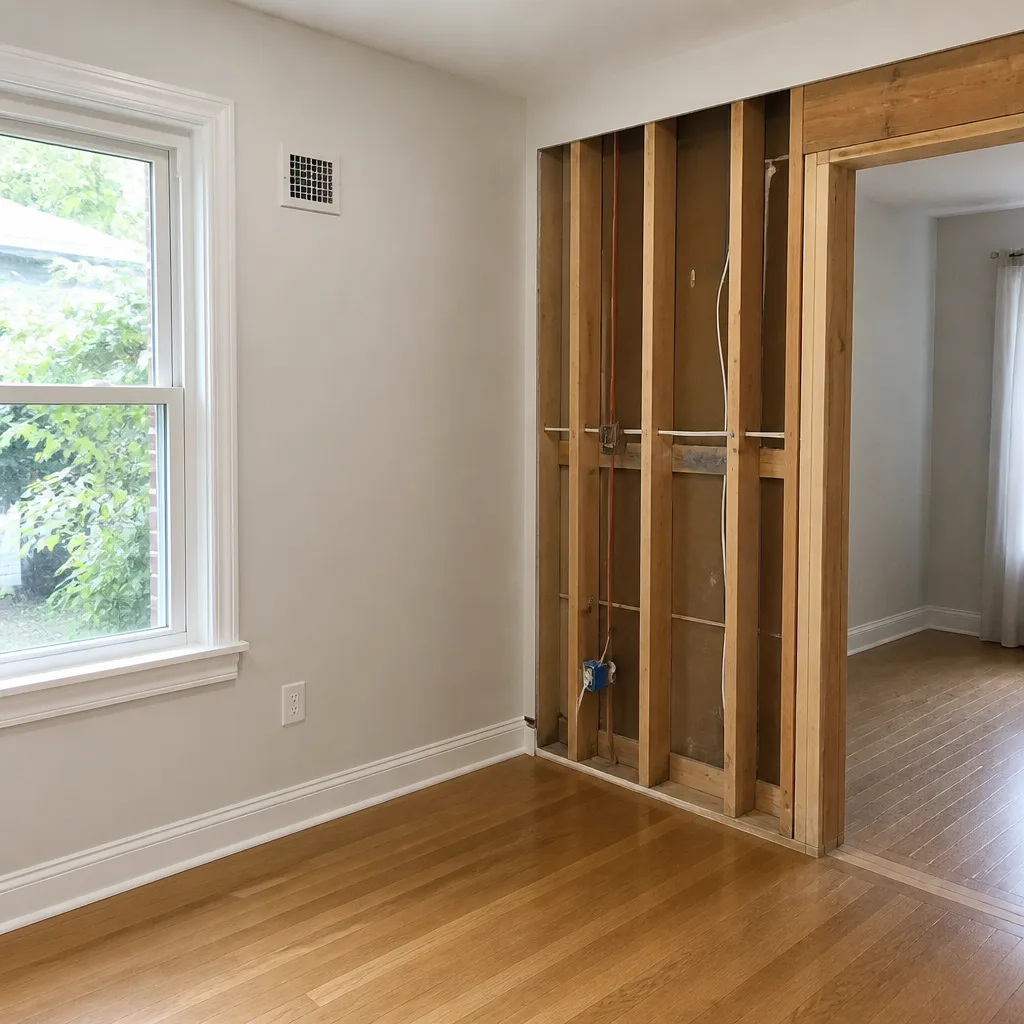
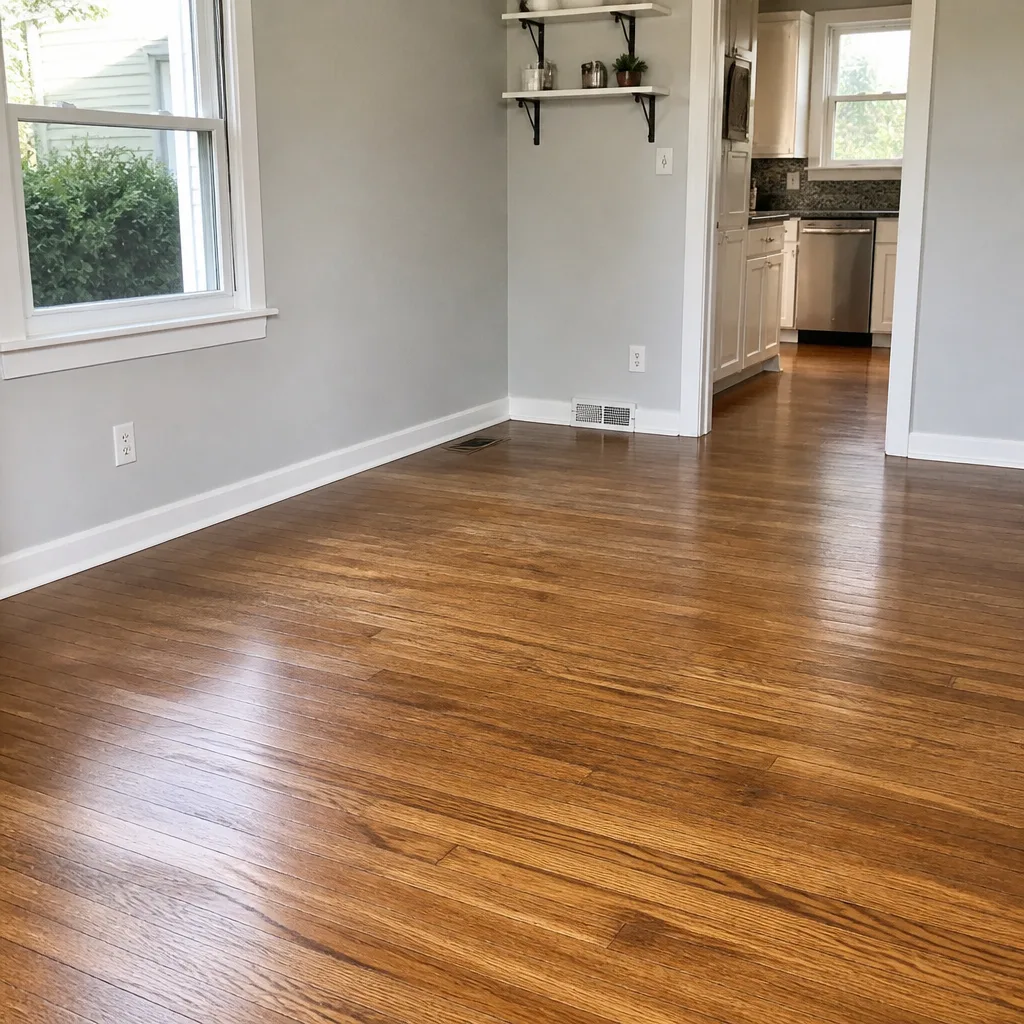
24/7 Emergency Mold Remediation in Plantation
Mold remediation in Plantation typically costs $1,200-$4,500 for contained residential jobs and is usually completed in 3-5 days with proper structural drying. Call (786) 250-0820 now - we answer live, every hour, and crews dispatch from our South Florida office directly into Plantation neighborhoods. The first 24 hours after water intrusion matter most: mold colonization begins on wet cellulose surfaces in as little as 48-72 hours in Plantation’s year-round humidity, and every hour of delay expands the containment perimeter and the final line-item scope.
We don’t charge for the initial visual inspection. A technician arrives with moisture meters, thermal imaging, and a written assessment protocol - not a sales pitch. You’ll get a documented photo record of what we find, moisture readings by room, and a written price before any containment goes up. That’s Haven Standard, Clause 1. No exceptions.
Understanding Mold Remediation Severity in Plantation Properties
Mold remediation severity in Plantation is rarely what it first appears. The city’s housing stock - predominantly 1960s-1980s concrete block and stucco (CBS) ranch homes - creates a unique diagnostic challenge: water entering through failed flat roofs or deteriorated roof-to-wall joints travels laterally inside hollow block cores for 10-15 feet before surfacing as visible staining. By the time a homeowner spots a palm-sized patch, the actual colonization footprint often spans multiple wall cavities.
We classify every Plantation job by three factors: the extent of visible colonization, the moisture content readings inside wall assemblies (measured with penetrating probes and thermal imaging), and the airborne spore load captured through air sampling. Category 1 jobs involve surface growth on non-porous materials with contained moisture - typically a single wall cavity, remediated in 2-3 days. Category 2 jobs show colonization inside hollow block cores or behind drywall, requiring containment, negative air pressure with HEPA scrubbers, and 3-5 days of structural drying. Category 3 jobs involve widespread hidden colonization, simultaneous top-down roof intrusion and bottom-up slab wicking, or compromised HVAC systems - these demand full containment, air quality restoration, and often 5-7 days with documented drying logs.
The age of Plantation’s housing stock matters. Pre-1992 CBS homes lack modern vapor barriers, and original HVAC ductwork routed through unconditioned attics creates thermal bridging that condenses humidity against cool surfaces. We see this pattern repeatedly in neighborhoods like Plantation Acres and along the Broward Boulevard corridor - surface mold that returns because the moisture source was never mapped.
Why Plantation Property Owners Choose DryMark Restoration Miami
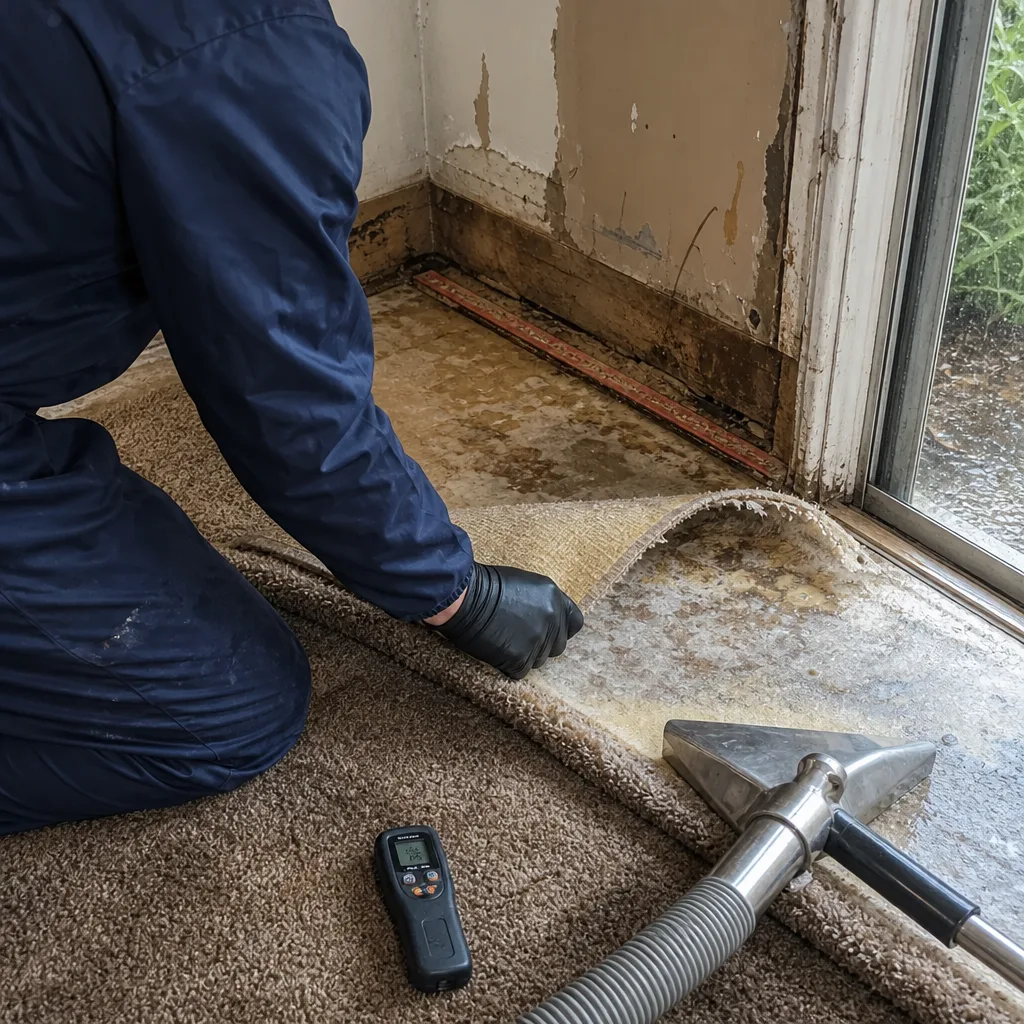
- 45-minute response commitment to Plantation from our South Florida dispatch office - live GPS tracking, not an estimate.
- 24/7 live answer by a real person on every call, no voicemail trees, no next-business-day callbacks while moisture keeps moving.
- IICRC-certified crews holding AMRT (Applied Microbial Remediation Technician) and WRT (Water Damage Restoration Technician) certifications - license numbers provided on request.
- Free visual inspection with moisture mapping, thermal imaging, and documented photo record included as standard.
- Direct insurance billing with adjuster coordination, photo-documented estimates, and daily drying logs formatted for carrier submission.
- One team from assessment to reconstruction - no handoffs between mitigation and rebuild contractors that lose scope continuity.
Our Mold Remediation Process
1. Inspection & Assessment
We probe beyond visible stains with FLIR thermal imaging, penetrating moisture meters, and psychrometric readings to map the full moisture footprint. In Plantation’s pre-1980 CBS homes, this routinely reveals colonization 10-15 feet past the visible patch. You receive a written scope, line-item pricing, and a photo record before work begins.
2. Containment & Air Quality Control
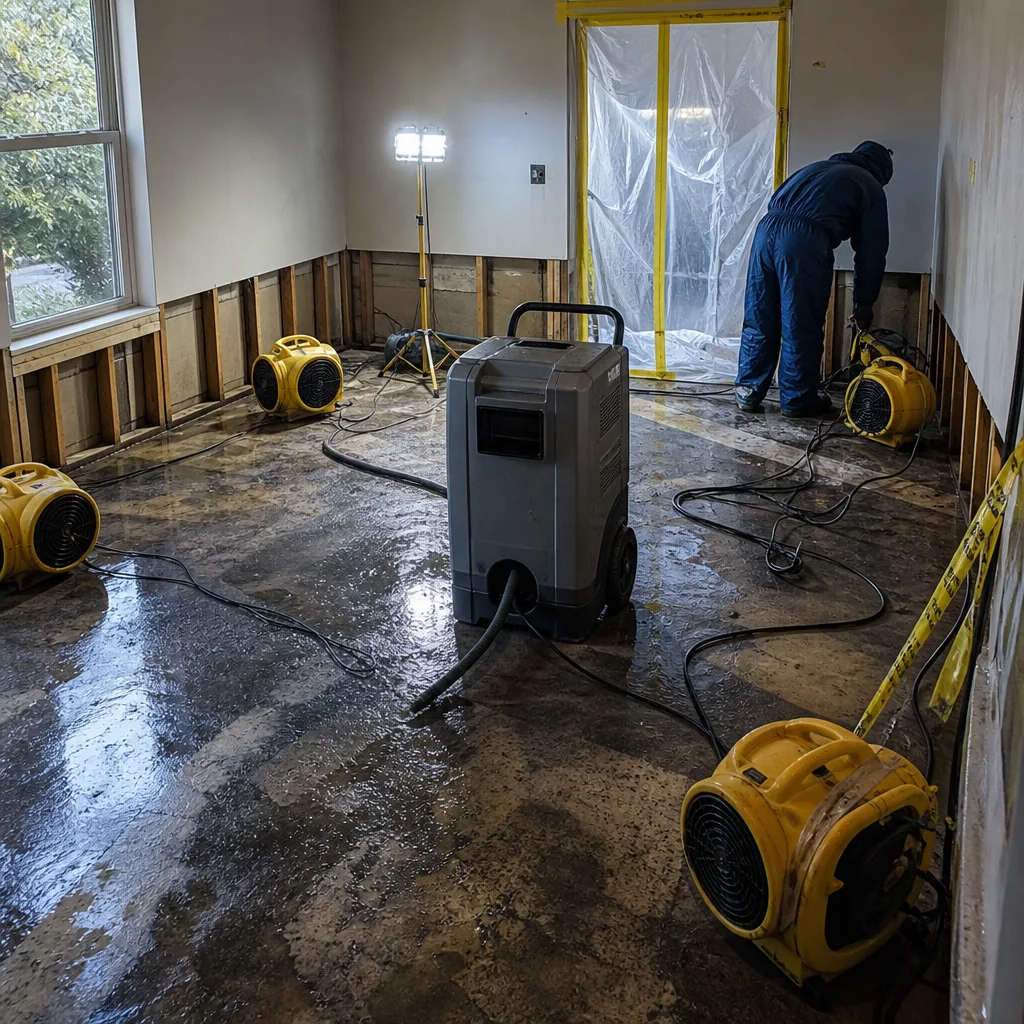
We establish polyethylene containment barriers and negative air pressure using HEPA-filtered air scrubbers to prevent cross-contamination. Airborne spore counts are measured before, during, and after. In occupied Plantation homes, we isolate the work zone from living spaces.
3. Structural Drying & Dehumidification
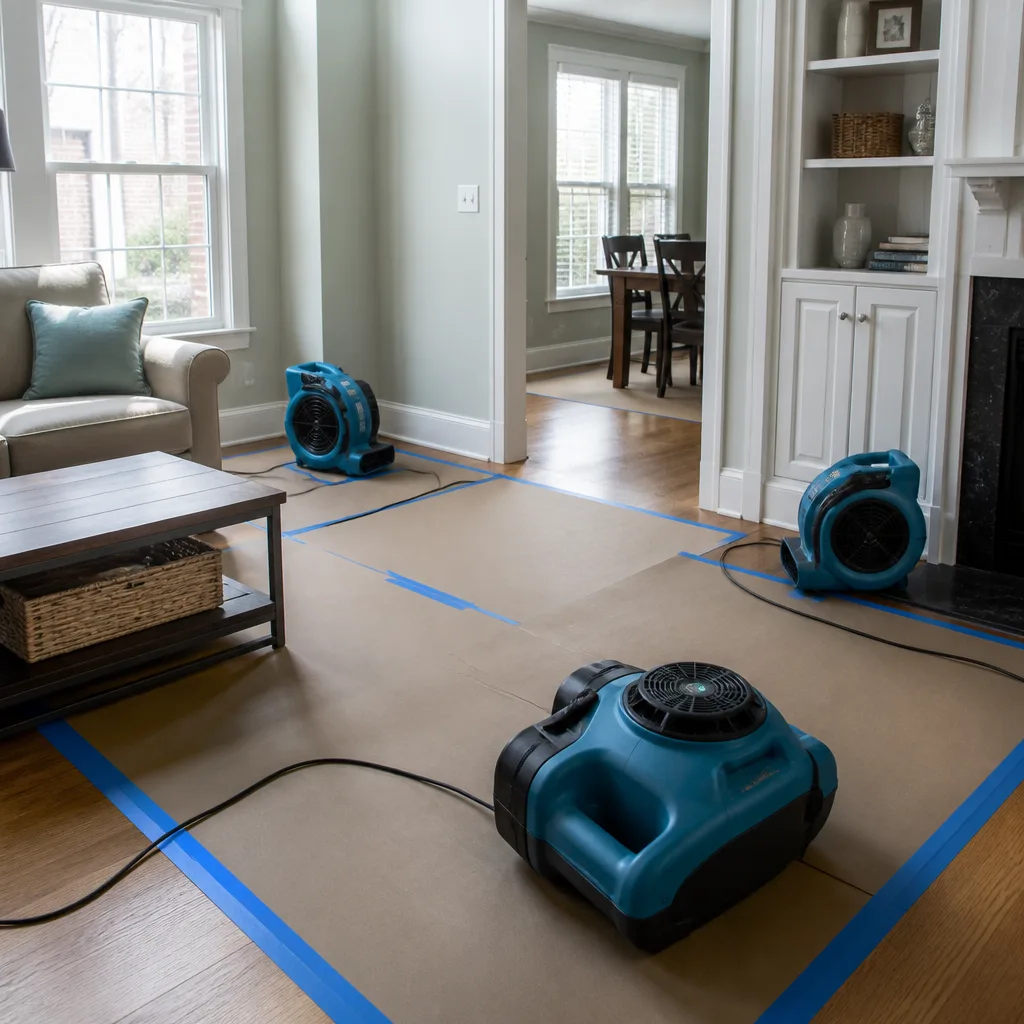
Dri-Eaz and XPOWER dehumidifiers pull vapor pressure differentials down while B-Air air movers circulate dry air through wall cavities. We log moisture content readings every 24 hours until materials return to pre-loss equilibrium - the documentation that turns restoration invoices into payable claims.
4. Removal & Antimicrobial Treatment
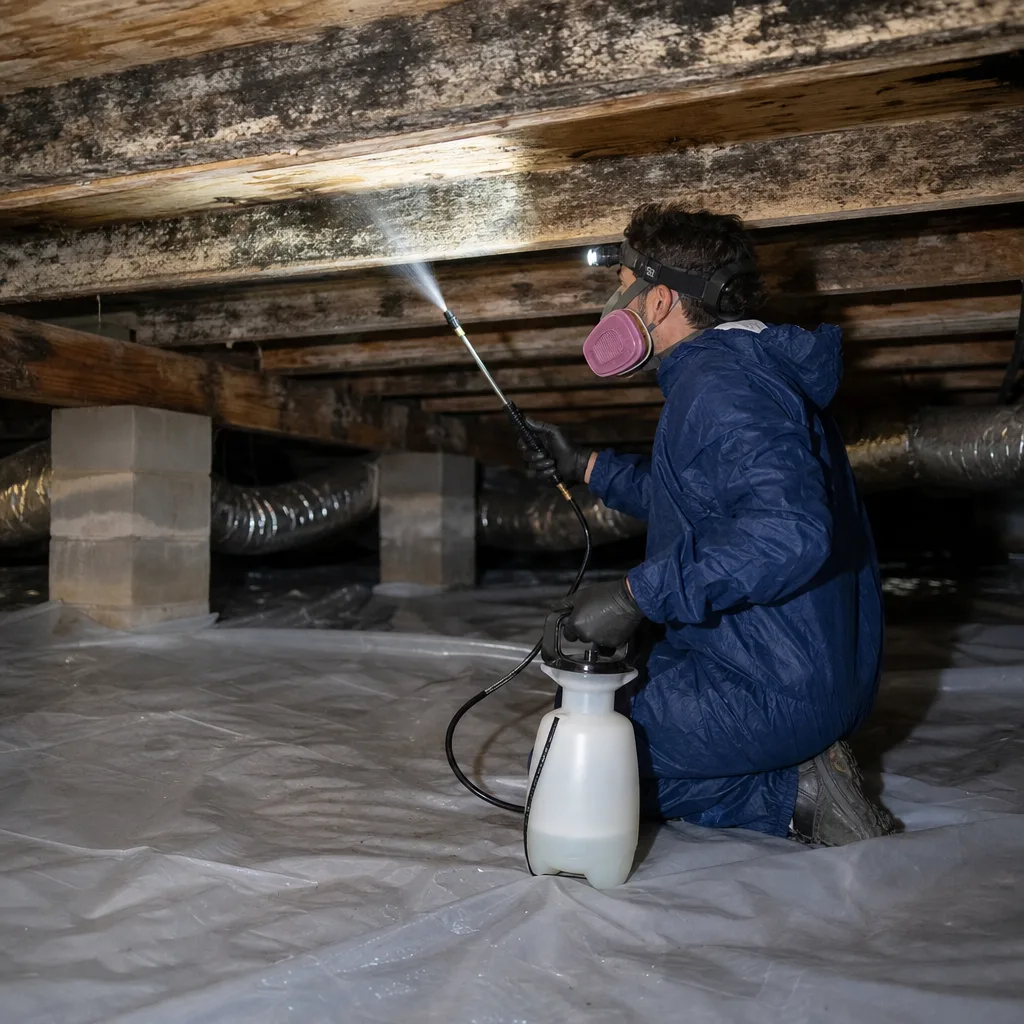
Non-salvageable drywall, insulation, and carpet are removed under containment. Remaining structural materials receive antimicrobial treatment formulated for porous substrates. Hollow block cores in Plantation’s CBS walls get specialized treatment to address lateral moisture channels that spot-only remediation misses.
5. Air Quality Restoration & Clearance Testing
Post-remediation air sampling verifies spore counts at or below outdoor baseline levels. We coordinate third-party clearance testing when required by insurance or property management. HVAC systems receive inspection and duct cleaning if colonization extended into air handling components.
6. Repairs & Moisture Control
Our crew repairs drywall, installs vapor barriers where missing, and coordinates roofing or plumbing contractors to seal intrusion points. For Plantation’s slab-on-grade homes, we install dehumidification strategies to manage ongoing bottom-up moisture wicking from the high water table.
Need Emergency Mold Remediation in Plantation Now?
Crews minutes away, answering live 24 hours a day. The sooner we start, the less it costs.
Working With Your Insurance Company
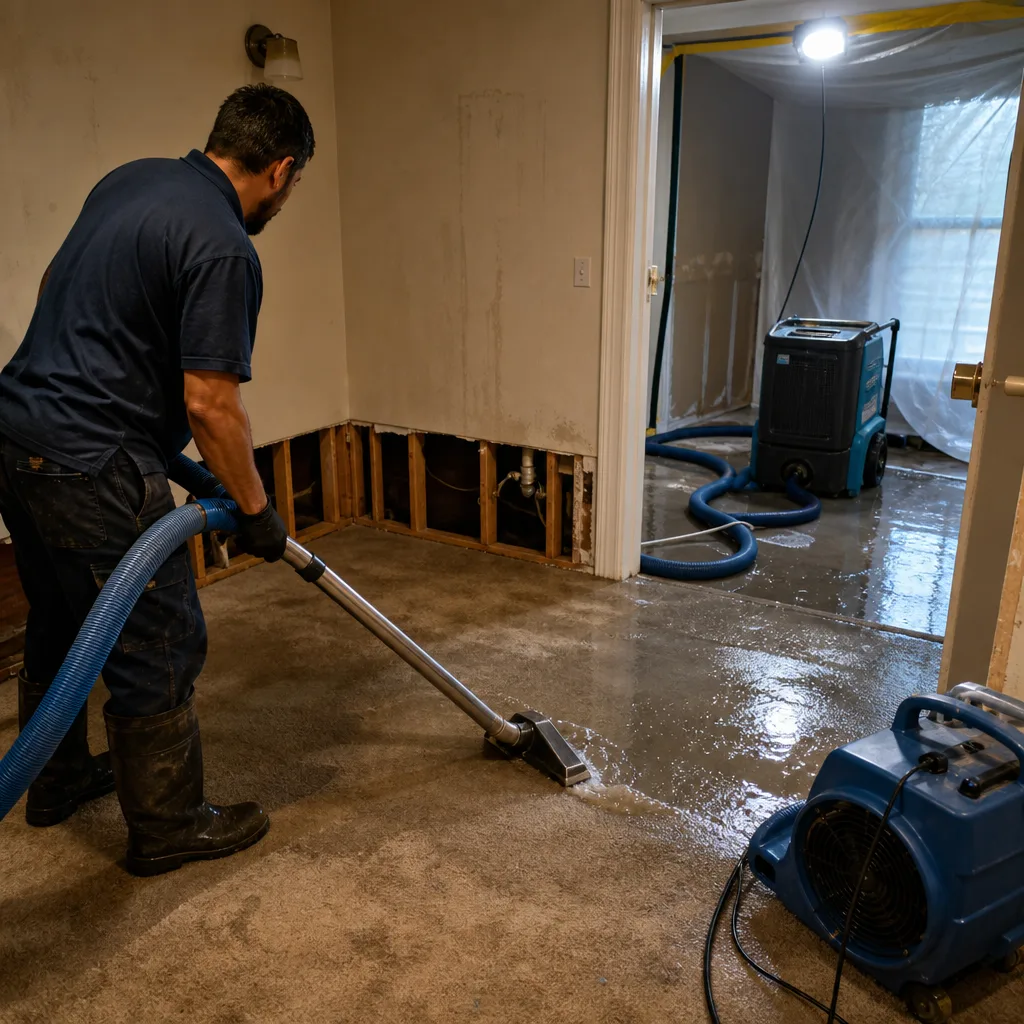
Insurance claims for mold damage fail most often on documentation gaps - the exact problem our founder, a former claims adjuster, built this company to eliminate. From the first hour on your Plantation property, we generate the record your carrier needs: timestamped photos, moisture content readings by room, daily psychrometric logs, and a line-item scope tied to industry-standard pricing.
We bill carriers directly and speak with adjusters in their vocabulary. Our estimates reference Xactimate or comparable industry-standard platforms. When a carrier disputes scope, we provide the photo evidence and drying data that justify every line item. The 365-Day Done Right Promise, backed by The Haven Standard, means if documentation is challenged, we stand behind it.
What We Provide Your Insurer
- Thorough documentation of the loss
- Photos of all damage, room by room
- Moisture readings and drying logs
- A detailed, line-item scope of work
- Direct coordination with your carrier
Built for Plantation’s Loss Calendar
January through March brings dry-season cold fronts that stress aging flat and low-slope roofs - built-up roofing on pre-1980 Plantation homes cracks in thermal cycling, and the first heavy rain of spring reveals leaks that have been developing for months. April through October is wet season: 60+ inches of annual rainfall, afternoon thunderstorms with wind-driven rain, and tropical systems that push water through roof-to-wall joints already deteriorated.
October through November brings the highest mold call volume. Hurricane season’s final storms overlap with cooling-season HVAC operation - ductwork in unconditioned attics creates condensation surfaces, and homeowners close up houses after storm repairs without verifying wall cavity dryness. December’s cooler temperatures slow evaporation but don’t stop colonization; we find active growth in exterior walls where slab wicking meets cold interior air.
Western Plantation neighborhoods like Plantation Acres face an additional factor: canal overflow flooding outside FEMA-mapped zones after extreme rainfall events. Homeowners without flood insurance need rapid water extraction and drying before mold establishes - and before they face uncovered remediation costs.
Mold Remediation Across Plantation’s Neighborhoods
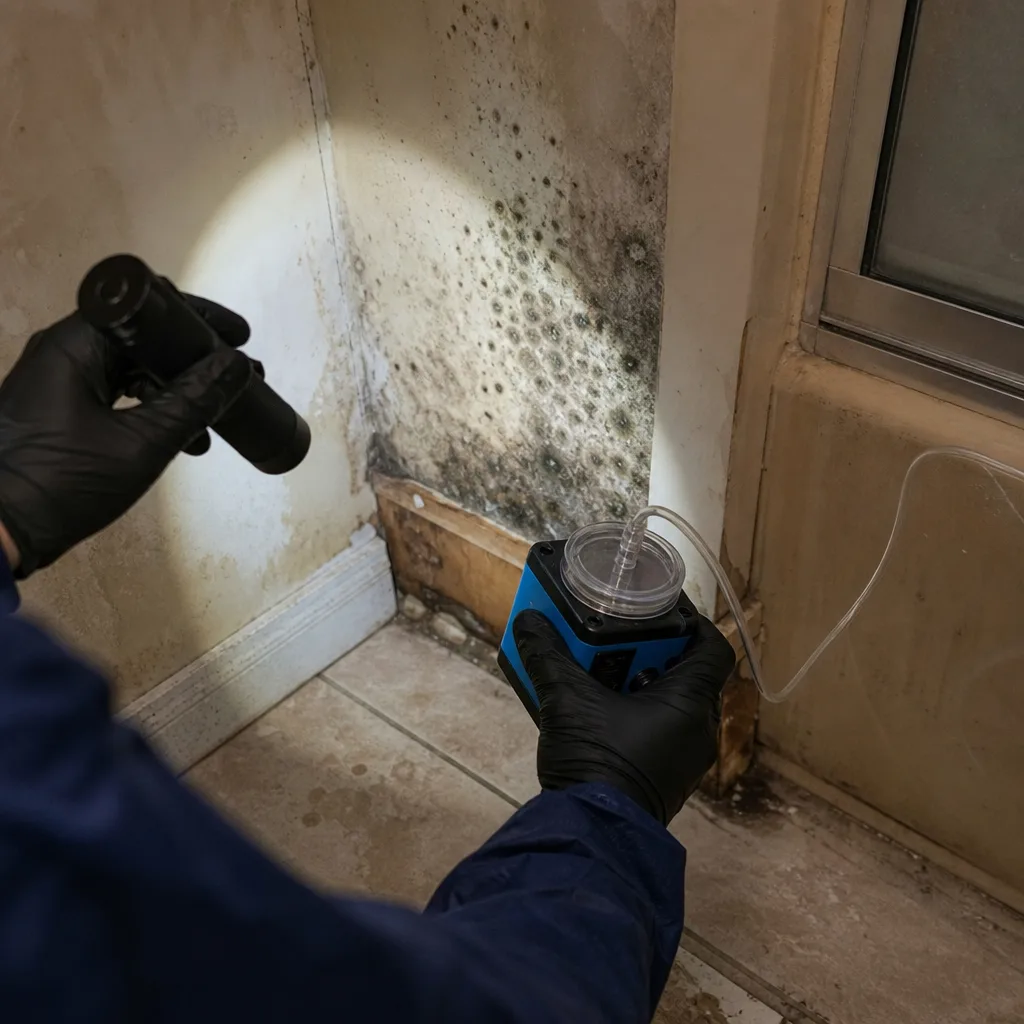
In Plantation Acres, the rural-acreage properties present unique access and scope challenges. Detached workshops, horse barns, and equipment sheds sit on the same slab-on-grade foundations as the main house, often with the same pre-1980 CBS construction. A homeowner there called us after spotting a palm-sized dark patch on an interior wall of a detached workshop; our techs ran moisture mapping along the CBS wall and found readings climbing 12 feet past the visible stain, tracing it back to a deteriorated roof-to-wall joint on the low-slope built-up roof. We set containment, pulled saturated drywall and insulation, applied antimicrobial treatment to the hollow block cores, and ran Dri-Eaz dehumidifiers and XPOWER air movers for three days of structural drying until our drying logs showed the wall assembly back to pre-loss condition. The homeowner said she’d rather we do the whole scope in one trip than have three different outfits in and out of her gate - so we handled the roof-joint repair coordination, the pack-out of her stored equipment, and the final moisture readings before we left.
Jacaranda and the neighborhoods along Broward Boulevard feature older multi-family and garden-style condo buildings with shared-wall construction. Water damage in unit 4B becomes mold remediation for units 4A and 4C when lateral migration through block cores goes undetected. We coordinate with property management and multiple insurers simultaneously, documenting each unit’s distinct moisture profile.
The University Drive corridor mixes commercial and residential, with strip-mall conversions and professional offices in repurposed 1970s retail. These flat-roof structures with aging mechanical systems produce Category 3 jobs - widespread hidden colonization behind dropped ceilings, often discovered during lease turnovers or insurance inspections.
Fig Tree Lane and interior single-family neighborhoods see the classic Plantation pattern: homeowner spots a stain, assumes it’s a small patch, and is surprised when our probe readings show 20+ linear feet of affected wall. We explain the hollow-block channeling every time. It’s not their imagination - it’s their foundation type.
Specialized Mold Remediation Services We Offer in Plantation
Mold Inspection & Testing
Our inspections start with moisture mapping, not guesswork. In Plantation’s CBS homes, we probe block cores and framing members with penetrating meters, then confirm with thermal imaging. Air sampling captures spore types and concentrations for pre- and post-remediation comparison. You’ll get a written report with photos, readings, and a clear scope - not a vague recommendation to “call a contractor.”

Mold Removal
Removal means complete elimination of colonized materials and treatment of remaining substrates, not surface wiping. In Plantation’s pre-vapor-barrier homes, we remove the minimum necessary drywall to access block cores, then treat with antimicrobial formulated for porous concrete. Spot-only removal is a common local failure mode - we don’t do it.

Black Mold Remediation
Stachybotrys chartarum and other toxigenic species require enhanced containment, PPE, and disposal protocols. We follow IICRC S520 standards for microbial remediation, with negative air pressure and HEPA filtration maintained throughout. Post-remediation clearance testing verifies safe reoccupancy.

Air Quality Restoration
HVAC systems in Plantation’s original ranch homes often distribute spores before visible growth appears. We inspect ductwork, coils, and plenums; clean with HEPA-contained equipment; and install filtration upgrades where appropriate. Air scrubbers run continuously during remediation, with particle counts logged.
Crawl Space Treatment
While most Plantation homes are slab-on-grade, older properties and additions may have crawl spaces over the high water table. We install vapor barriers, dehumidification, and drainage where appropriate, treating existing colonization and preventing recurrence.
Moisture & Humidity Control
Without modern vapor barriers, Plantation’s slab foundations wick moisture continuously. We install whole-home and targeted dehumidification, monitor with hygrometers, and provide drying logs that document sustained control. This is ongoing prevention, not one-time remediation.
What happens when you call
- 1
A real person answersNo phone trees - you reach a local pro.
- 2
You get an upfront price rangeHonest numbers before anyone is dispatched.
- 3
A background-checked tech heads outLicensed & insured, dispatched right away.
- 4
You approve before work beginsNothing starts until you say go.
Mold Remediation Costs in Plantation, FL
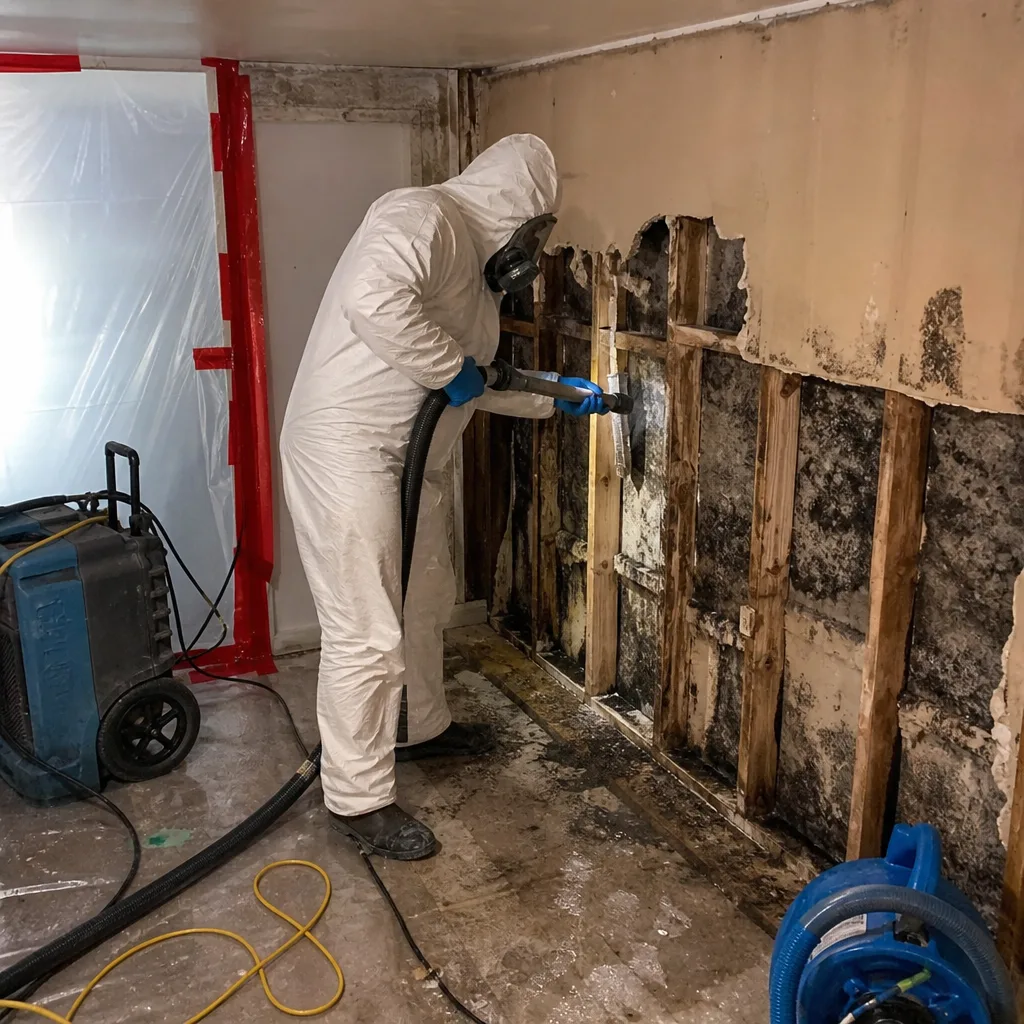
A typical contained mold remediation in a Plantation single-family home runs $1,200-$2,800 for a single wall cavity with limited colonization. Jobs involving multiple rooms, hidden block-core colonization, or HVAC contamination range $3,500-$7,500. Extensive whole-home remediation with reconstruction approaches $10,000-$15,000.
What moves the price: the square footage of contained area, the number of affected wall cavities requiring drywall removal, whether slab wicking or roof leaks require ongoing moisture control installation, and whether air quality restoration or HVAC cleaning is needed. Insurance typically covers mold remediation when it results from a covered water loss - burst pipe, storm intrusion, appliance failure - but may exclude long-term maintenance-related moisture. We document the loss origin to support your claim.
Every job starts with a free visual inspection and written scope. No work begins without a signed price. Haven Standard, Clause 1. Call (786) 250-0820 for your assessment.
We Also Serve Cities Near Plantation
Our crews respond throughout Broward County from our South Florida dispatch office, including Plantation and neighboring Fort Lauderdale, Margate, Coconut Creek, and Pompano Beach. Each city’s building stock and moisture patterns differ - we adjust our assessment protocols accordingly, from Fort Lauderdale’s historic coastal construction to Margate’s mid-century ranch concentrations.
Serving Plantation, FL - Our Local Coverage Area
We’re based in the Plantation area and know this community well. Use the map below to see our service coverage - if you’re nearby, we can almost certainly help.
Plantation Mold Remediation Questions, Answered
Why does mold in my Plantation CBS home keep coming back after remediation?
Because spot-only treatment misses the lateral water migration inside hollow block cores that is standard in pre-1980 Plantation construction. Water enters through roof-to-wall joints or failed flat roofs, channels 10-15 feet through block cavities, and feeds mold behind apparently dry adjacent walls. We map the full moisture footprint with penetrating probes, treat block cores directly, and install moisture control to stop the source. Call (786) 250-0820 for an inspection that finds the actual perimeter.
My Plantation Acres house isn’t in a FEMA flood zone but flooded after heavy rain - does that change the mold remediation scope?
Yes, it changes both scope and insurance coverage. Canal overflow flooding in western Plantation neighborhoods often falls outside flood insurance requirements, leaving homeowners self-pay for water extraction and drying. We document the water source and timeline for any possible coverage argument, then scope remediation to address both the immediate flood damage and the accelerated mold colonization that follows in 48-72 hours. Rapid structural drying is critical before insurers or regulators are engaged. Call (786) 250-0820 - estimates are free.
How fast does mold start after a leak in a Plantation home?
Colonization begins on wet cellulose surfaces in 48-72 hours in Plantation’s climate, with year-round humidity above 70 percent. But in CBS homes with hollow block cores, the clock starts when water enters the wall - not when the homeowner sees staining, which may be weeks later. We recommend inspection within 24 hours of any known water intrusion. Call (786) 250-0820 for same-day assessment.
Do you treat crawl spaces and slabs in Plantation’s older ranch homes?
Most Plantation ranch homes are slab-on-grade, not crawl space, but we treat both. For slabs, we address bottom-up moisture wicking from the high water table through vapor barrier installation and dehumidification. Properties with actual crawl spaces receive full encapsulation, drainage, and treatment. We determine construction type during inspection and scope accordingly. Call (786) 250-0820 to schedule.
Can you handle a mold remediation in Plantation in one trip, or will I need multiple companies?
We handle complete remediation from assessment through reconstruction with one team. Our Plantation Acres field vignette illustrates this: one crew contained, removed, treated, dried, coordinated roofing repair, managed pack-out, and delivered final documentation. No handoffs between mitigation and rebuild contractors. The Haven Standard requires scope continuity. Call (786) 250-0820 to discuss your project.
Is mold remediation covered by insurance in Plantation?
Insurance covers mold remediation when it results from a sudden, accidental water loss - burst pipe, storm intrusion, appliance failure - but typically excludes long-term maintenance issues or unresolved moisture. We document the loss origin, provide photo evidence, and coordinate directly with your adjuster. Our drying logs and written scopes are formatted for carrier submission. Call (786) 250-0820 and we can review your policy specifics during inspection.
How long does mold remediation take in a typical Plantation home?
Contained single-cavity jobs: 2-3 days. Multi-room hidden colonization: 3-5 days with structural drying. Extensive jobs with HVAC involvement or reconstruction: 5-7 days or longer. We don’t declare completion until drying logs show pre-loss moisture content and clearance testing confirms safe spore levels. Call (786) 250-0820 for a timeline estimate specific to your property.
What certifications do your Plantation mold remediation technicians hold?
Our crews hold IICRC AMRT (Applied Microbial Remediation Technician) and WRT (Water Damage Restoration Technician) certifications, with ongoing education in psychrometrics and structural drying. All technicians are background-checked, licensed, and insured - license numbers provided on request. Work is documented to IICRC, RIA, and IFA standards. Call (786) 250-0820 to verify credentials.
Back to Dry Restoration provides Mold Remediation across Broward County. Every job is quoted in writing before work begins, documented with a photo record on every visit, and covered by the 365-Day Done Right Promise under The Haven Standard. A Free Second Opinion on any competitor’s written estimate is available at no charge.
Written by Alicia Brennan, Owner at Back to Dry Restoration, serving Plantation since 2011.
Mold Remediation in Nearby Areas