
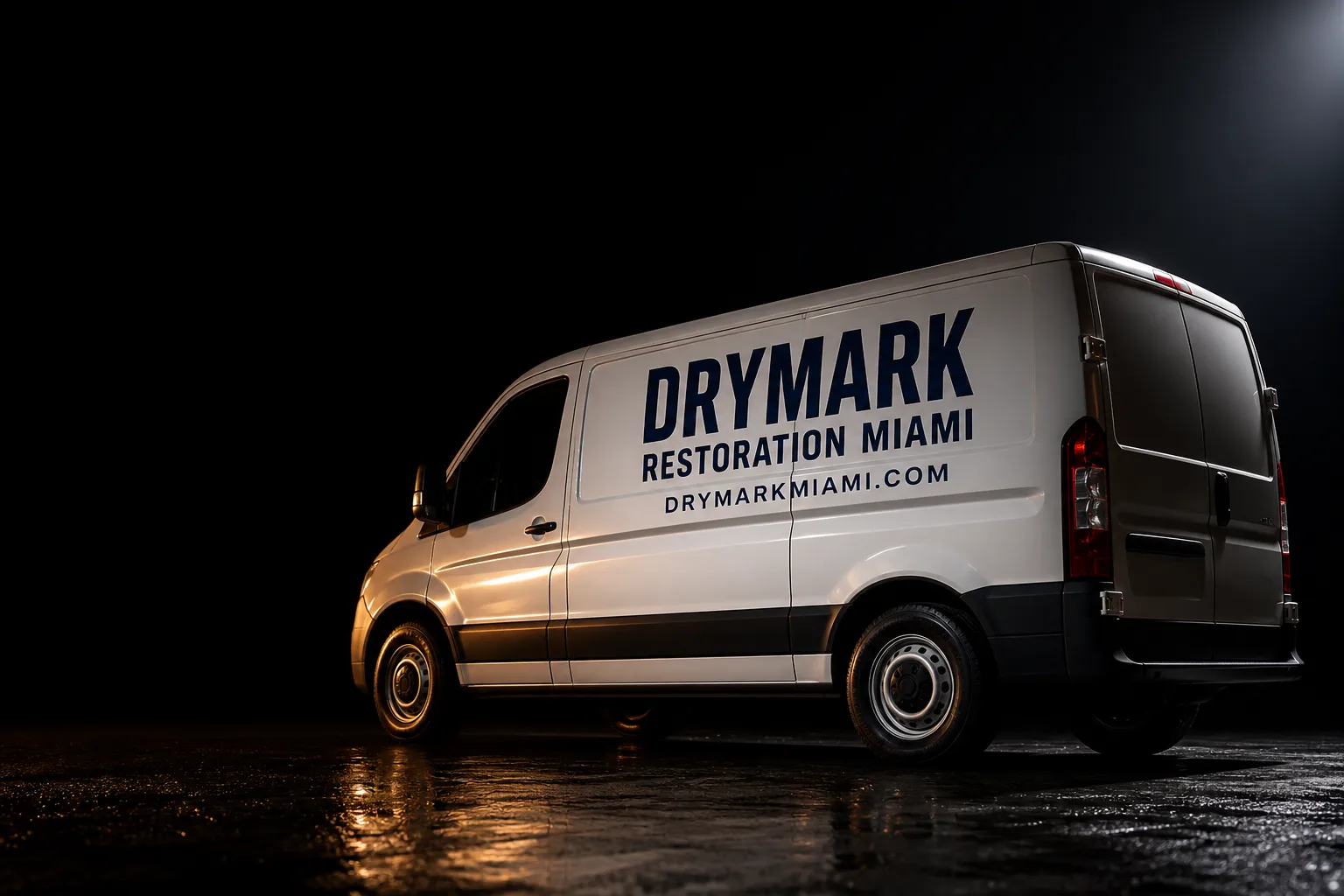
Free visual inspection and a written scope of work before any mitigation begins - photos, moisture readings, and drying logs go in your claim file
The scope we write is the scope we bill. Anything new gets shown to you, in writing, before we touch it.
24/7 Emergency Water Damage Restoration in Miami Gardens
Water damage in a Miami Gardens home can escalate from a contained problem to a structural threat in under an hour. Call (786) 250-0820 now and you’ll reach a live person, not a voicemail tree, any time of day or night. Our crews dispatch from our Miami (South FL) office and are typically on-site across Miami Gardens within 45 minutes of your call.
That first hour matters because water moves fast through concrete block construction, and Miami Gardens’s year-round humidity above 75% RH means mold colonization starts in 24-48 hours, not the 72-hour window technicians might see in drier climates. We provide a free visual inspection on arrival, document everything with photos from the threshold, and give you a written price before any equipment runs. The sooner we start extraction and set drying equipment, the less square footage we have to treat, and the lower your final scope.
Understanding Water Damage Restoration Severity in Miami Gardens Properties
Water damage classification follows IICRC standards: Category 1 is clean water from a supply line, Category 2 carries significant contamination from appliances or groundwater, and Category 3 is grossly contaminated from sewage or flooding. In Miami Gardens, we rarely see true Category 1 jobs in the field, and here’s why that matters for your home.
The city’s Carol City-era CBS homes sit slab-on-grade with no vapor barrier beneath the concrete. When the regional water table rises after tropical rain, groundwater wicks up through the slab itself, not just through openings. That makes apparent “clean” water intrusion actually Category 2 or 3 by the time we test it. Moisture mapping with thermal imaging and pin-type meters reveals what surface readings miss: elevated moisture in the center of a room that never held standing water, and lateral wicking through block walls into adjacent spaces that look untouched. Structural drying in these homes routinely runs 40-60% longer than comparable wood-frame construction because concrete block cores retain moisture long after surfaces read dry. Psychrometric data, vapor pressure differential, and tertiary drying phases aren’t jargon here; they’re the difference between a completed job and a callback for mold behind freshly painted stucco.
Why Miami Gardens Property Owners Choose DryMark Restoration Miami
- 45-minute response commitment to Miami Gardens addresses, because water doesn’t wait for business hours and neither do we.
- 24/7 live answer - a real person picks up every call, with no automated phone trees or next-day callbacks while water is still moving through your walls.
- IICRC-certified crews holding WRT (Water Damage Restoration Technician), FSRT (Fire & Smoke Restoration Technician), and AMRT (Applied Microbial Remediation Technician) credentials, with license numbers provided on request.
- Free visual inspection on every emergency call, documented with photos before any work is discussed.
- Direct insurance billing with photo-documented drying logs and line-item scopes that adjusters recognize and approve without dispute.
- One team from extraction to reconstruction - no handoffs between mitigation and rebuild contractors, no gaps in documentation.
Our Water Damage Restoration Process
1. Inspection & Assessment
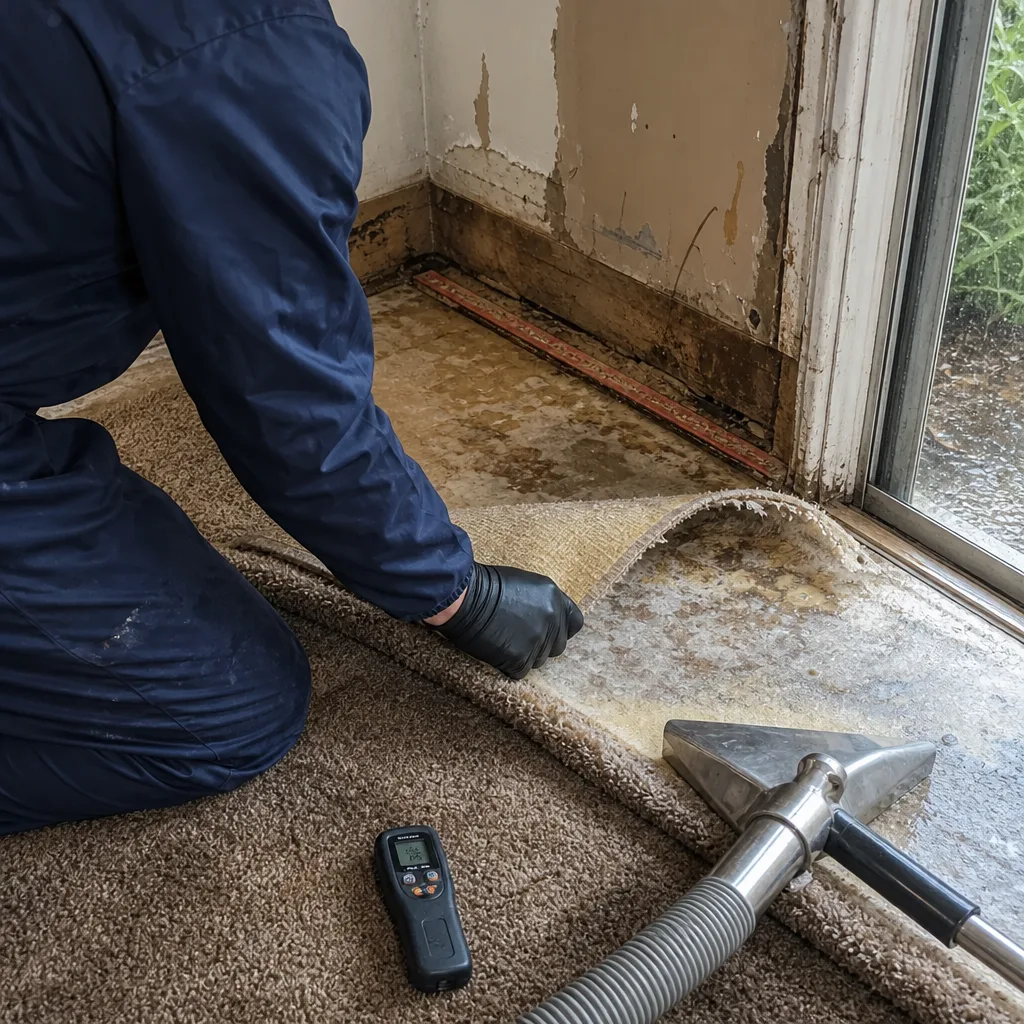
We arrive with thermal imaging cameras, pin and non-penetrating moisture meters, and hygrometers to map the full extent of water migration. In Miami Gardens’s CBS homes, we check adjacent rooms on both sides of every wet wall, because concrete block wicks laterally in ways surface readings miss. You receive a written scope and price before any equipment starts.
2. Water Extraction & Stabilization
Truck-mounted extraction systems remove standing water from floors, carpets, and hard surfaces. For slab-on-grade homes where groundwater has wicked through the concrete, we evaluate whether subsurface extraction or specialized mat systems are needed to pull water from beneath the slab edge.
3. Structural Drying & Dehumidification
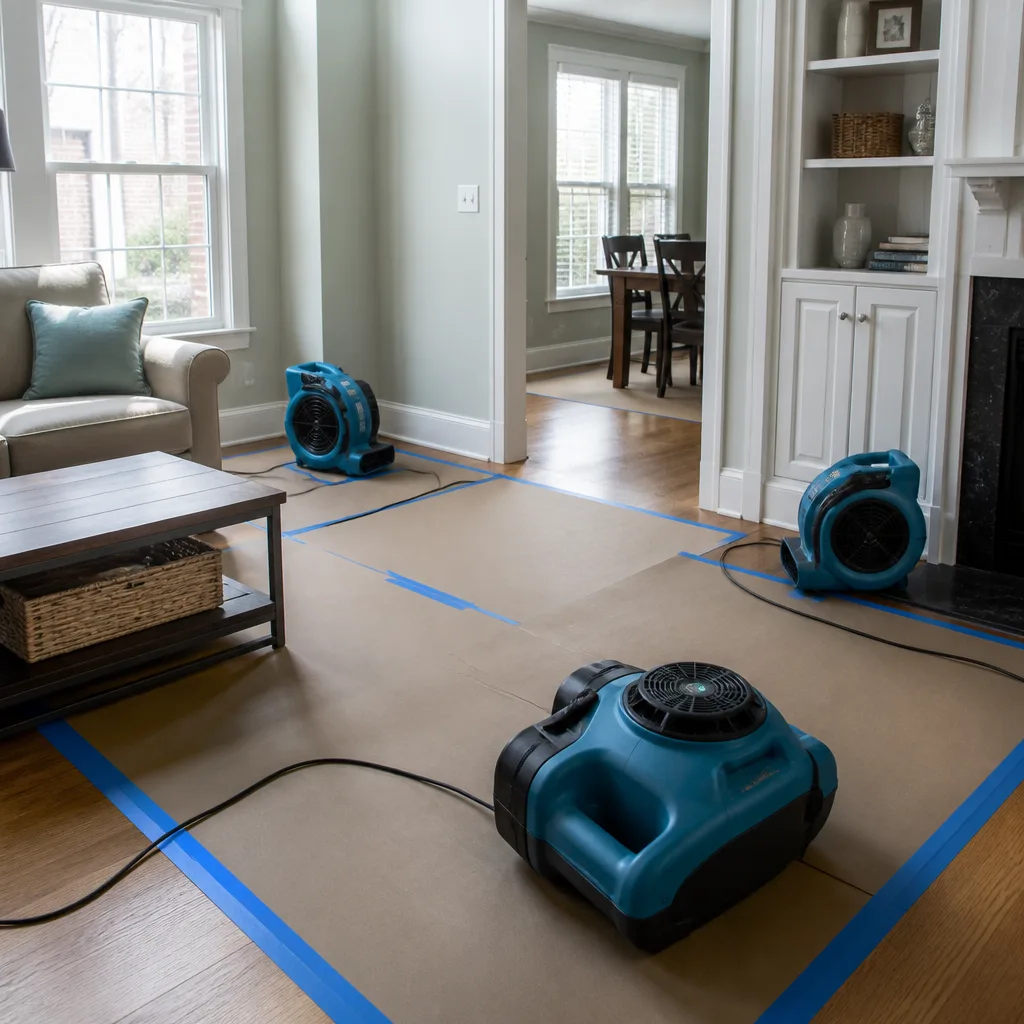
We deploy Dri-Eaz, Phoenix, and XPOWER air movers with LGR dehumidifiers sized to the affected cubic footage. Injectidry panel drying systems target wall cavities and ceiling assemblies where moisture hides inside block construction. Daily moisture logs track progress against drying goals.
4. Cleaning & Sanitization
All affected surfaces receive antimicrobial treatment appropriate to the water category. HEPA air scrubbers run during this phase to capture airborne particulates. We document every treatment with photos for your insurance file.
5. Mold Containment & Assessment
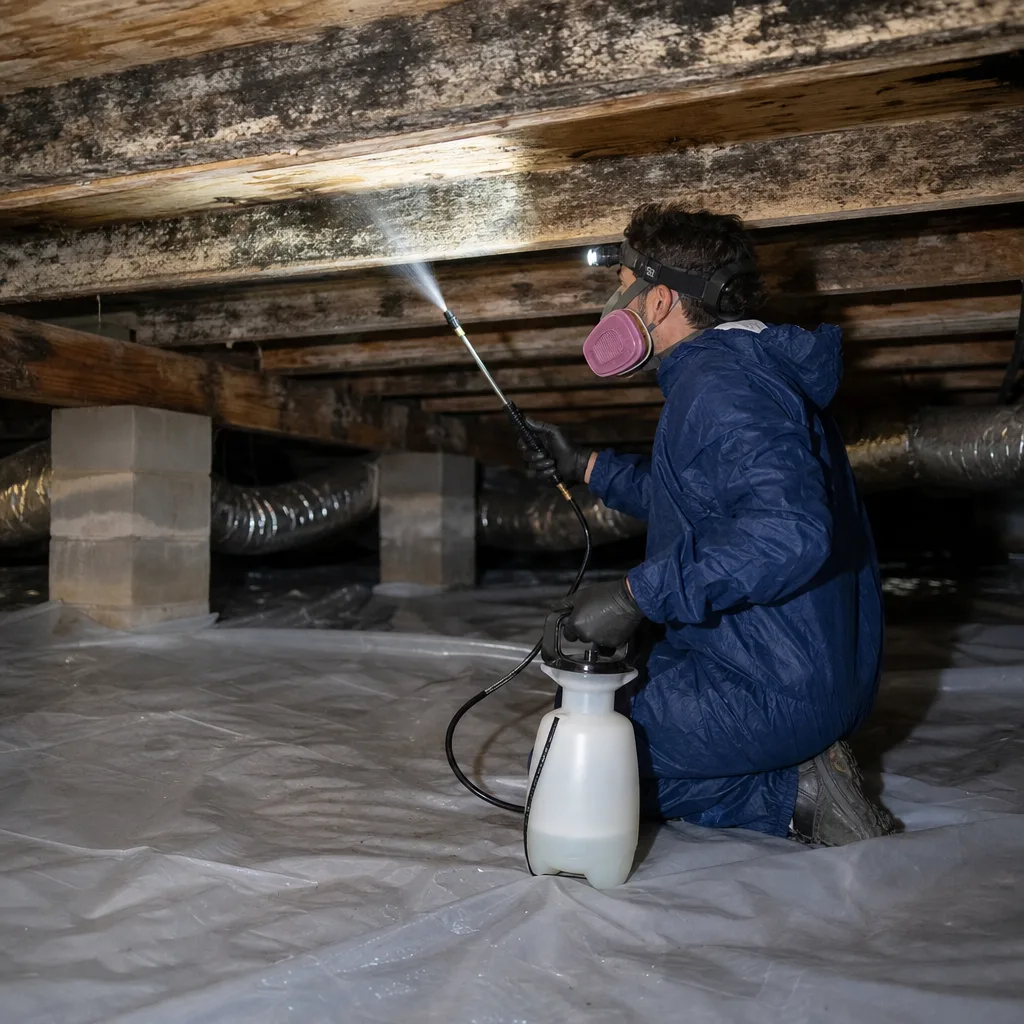
Given Miami Gardens’s compressed mold timeline, we establish containment barriers and negative air pressure in any area where moisture readings or visual inspection suggest colonization. Air and surface samples are collected where indicated, with results incorporated into the drying strategy.
6. Repairs & Restoration
Once moisture readings confirm the structure is dry to IICRC standards, we restore affected materials: drywall, flooring, trim, and paint. Our reconstruction crew works from the same documentation package, so nothing is rebuilt over damp substrate.
Need Emergency Water Damage Restoration in Miami Gardens Now?
Crews minutes away, answering live 24 hours a day. The sooner we start, the less it costs.
Working With Your Insurance Company
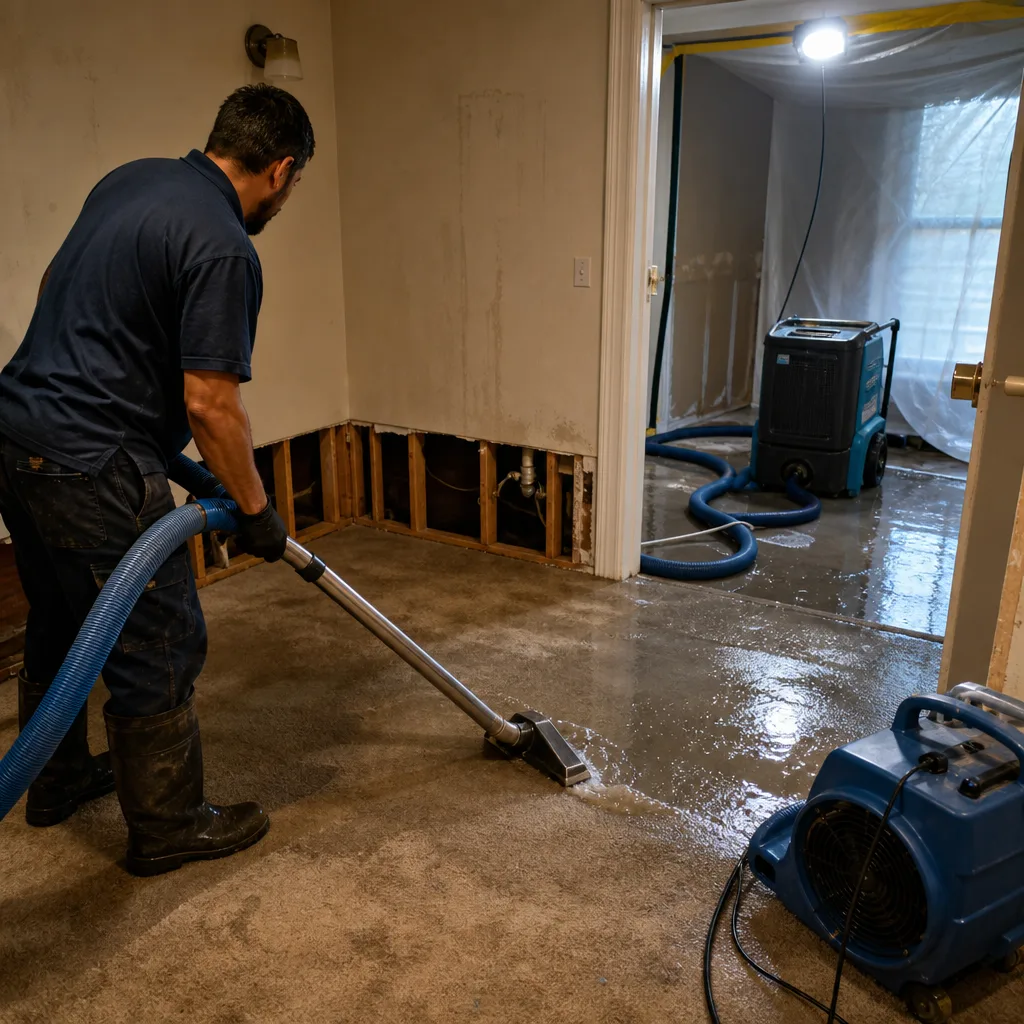
Insurance claims fail when documentation gaps let adjusters dispute the scope. We close those gaps from the first hour. Every visit produces dated photos, moisture readings with equipment serial numbers, and drying logs that show psychrometric conditions trending toward goal. Our estimates follow Xactimate or comparable industry-standard pricing, and we coordinate directly with your adjuster rather than handing you a bill to fight alone.
The Haven Standard, Clause 1, requires a written price before work begins. That written scope becomes the foundation of your claim documentation. When an adjuster can see pin-meter readings showing 22% moisture content inside a wall that looks dry to the eye, the scope we proposed gets approved. When they see daily drying logs with declining humidity ratios, the extended timeline for CBS construction gets justified. We don’t negotiate your claim for you, but we give you the evidence that makes negotiation unnecessary.
What We Provide Your Insurer
- Thorough documentation of the loss
- Photos of all damage, room by room
- Moisture readings and drying logs
- A detailed, line-item scope of work
- Direct coordination with your carrier
Built for Miami Gardens’s Loss Calendar
January through April brings dry-season cold fronts that stress aging plumbing in Carol City-era homes with original galvanized supply lines; we see burst pipe calls spike when overnight lows dip into the 40s and homeowners discover pipes run through unconditioned attic spaces. May through October is tropical season: afternoon thunderstorms dump inches in hours, C-9 Canal backpressure overwhelms drainage along NW 27th Avenue and NW 183rd Street corridors, and slab-on-grade homes flood at the floor level before any named storm approaches. November and December bring the secondary rainy season, when saturated ground from months of tropical moisture meets frontal systems, and the water table stays elevated enough for chronic slab wicking even without surface flooding.
Year-round, the UV-blasted flat roofs of Miami Gardens’s 1950s-1970s housing stock fail at membrane seams and parapet flashings. These aren’t dramatic collapses; they’re slow, chronic leaks that owners patch repeatedly until a ceiling stain or a tropical system forces the call. By then, moisture has been migrating through block walls for one or more rainy seasons, and the visible damage is the tip of a much larger remediation.
Water Damage Restoration Across Miami Gardens’s Neighborhoods
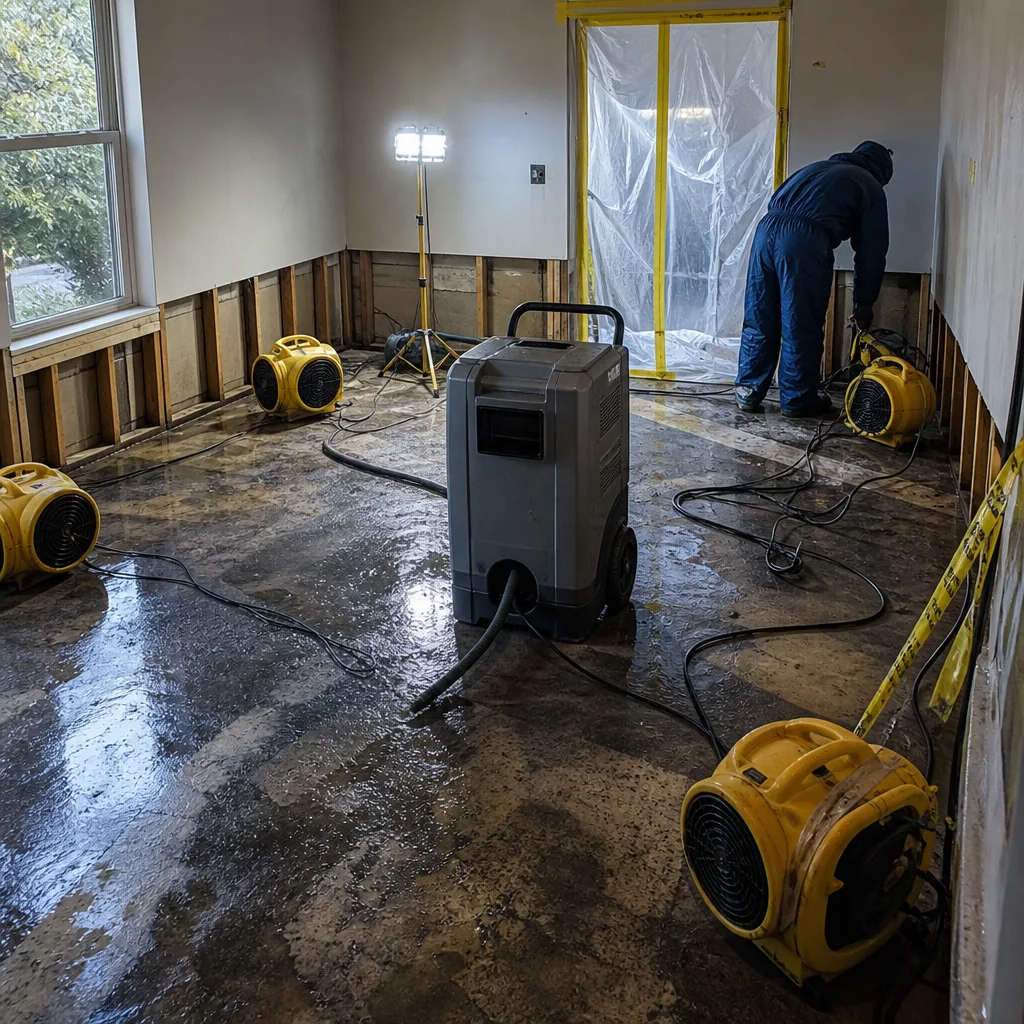
In the Carol City subdivision near NW 183rd Street and 27th Avenue, we regularly find flat-roof CBS homes with chronic parapet leaks hidden behind intact stucco. Our Miami Gardens crews know to check top-floor wall cavities with pin meters even when the emergency call is for a recent storm, because the real moisture load often predates the visible failure by months.
Bunche Park and the Scott Lake area sit lower than surrounding development, and C-9 Canal backpressure hits these neighborhoods first during heavy rain. Slab-on-grade homes here flood at the floor joint, not through windows or doors, and the water table rise means groundwater intrusion is almost always Category 2 by the time we test, regardless of how clean it looks.
Along the NW 27th Avenue corridor, commercial and mixed-use properties with older built-up roofing systems see concentrated UV damage where roof equipment casts shadows that accelerate membrane thermal cycling. We coordinate with property managers to schedule inspections before rainy season, documenting conditions that prevent emergency losses.
Near Hard Rock Stadium, the concentration of mid-century ranch homes on original slabs means we respond to the same pattern repeatedly: tropical rain event, no visible standing water, homeowner assumes minimal damage, and moisture mapping reveals elevated readings across 30-40% more square footage than expected due to lateral wicking through block walls.
Specialized Water Damage Restoration Services We Offer in Miami Gardens
Emergency Water Extraction
Truck-mounted and portable extraction units remove standing water from any floor type. In Miami Gardens’s slab-on-grade homes, we evaluate whether water has migrated beneath the slab edge and deploy subsurface extraction mats where indicated. Speed matters here: every hour of standing water increases the lateral wicking radius through concrete block walls.
Structural Drying & Dehumidification
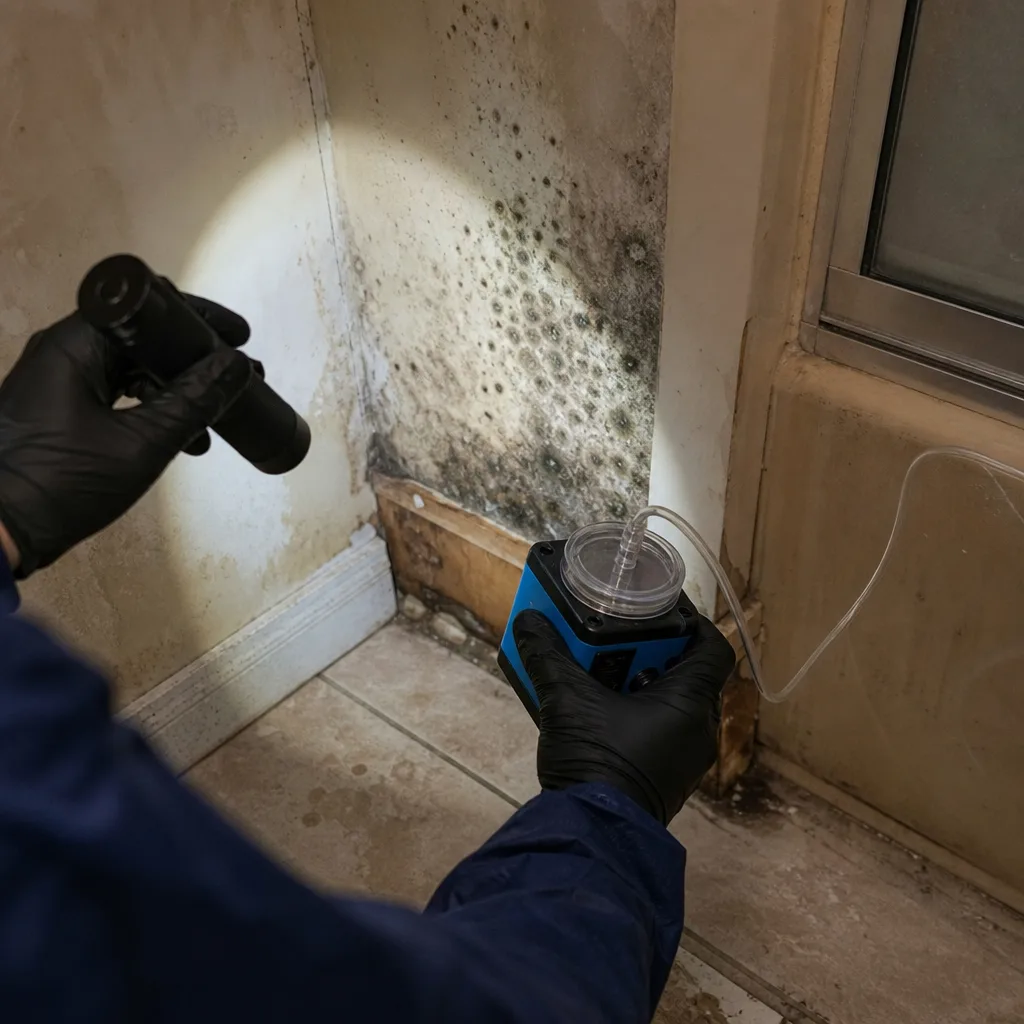
This is the core service that defines success or failure in Miami Gardens. We size LGR dehumidifier capacity to the affected cubic footage, not the floor area, because block wall cavities hold significant moisture volume. Injectidry panel drying targets interior wall spaces that air movers alone cannot reach. Daily moisture logs with pin-meter readings document progress for your insurance file and prevent the premature equipment removal that causes callback mold jobs.
Flood Cleanup
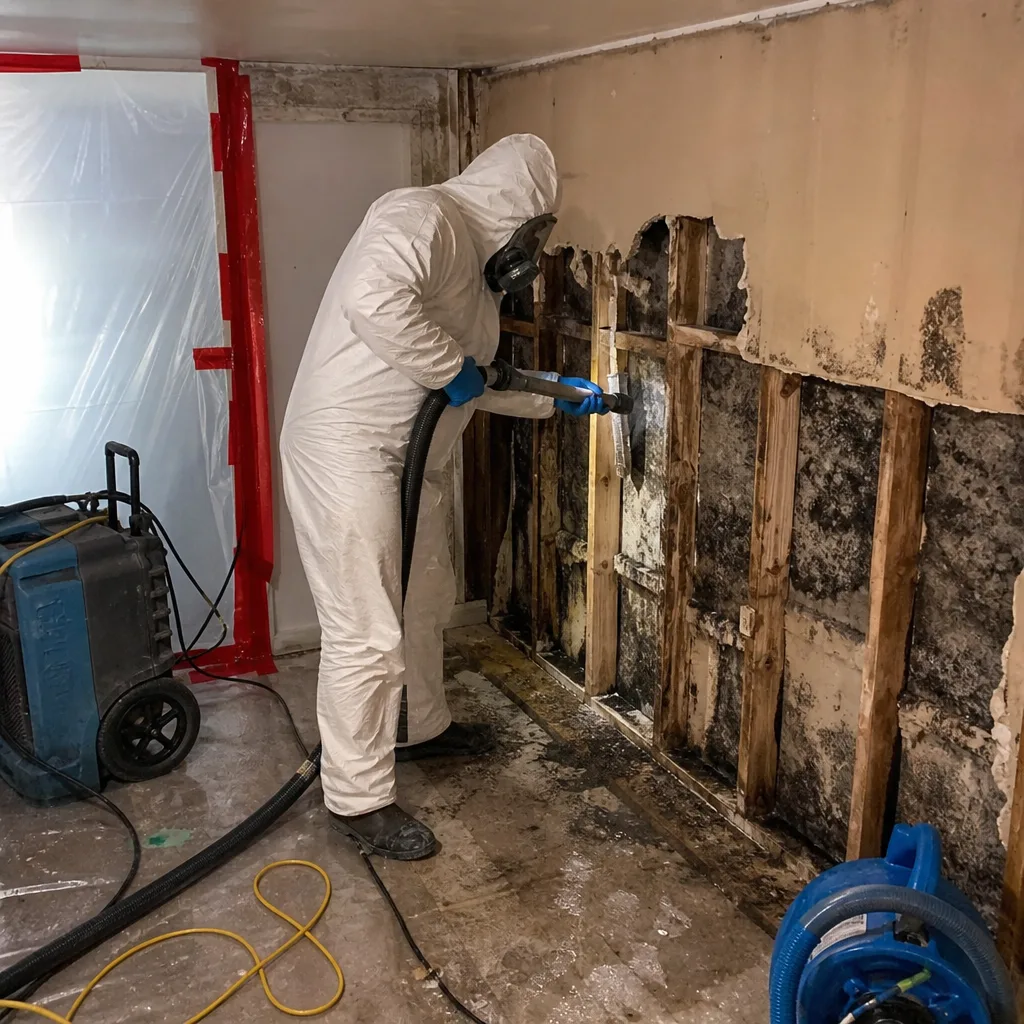
Flood events in Miami Gardens often involve C-9 Canal backpressure or overwhelmed municipal drainage, which means Category 2 or 3 water even when the source looks like rainwater. We test and classify before treatment, apply appropriate antimicrobial protocols, and document water category determination for your adjuster.
Burst Pipe Restoration
Original galvanized and early copper supply lines in Carol City-era homes fail at joints and elbows, particularly in unconditioned attic spaces during dry-season cold snaps. We extract, dry, and document the full migration path, including secondary damage to insulation and ceiling assemblies that may not be visible from below.

Ceiling & Roof Leak Water Damage
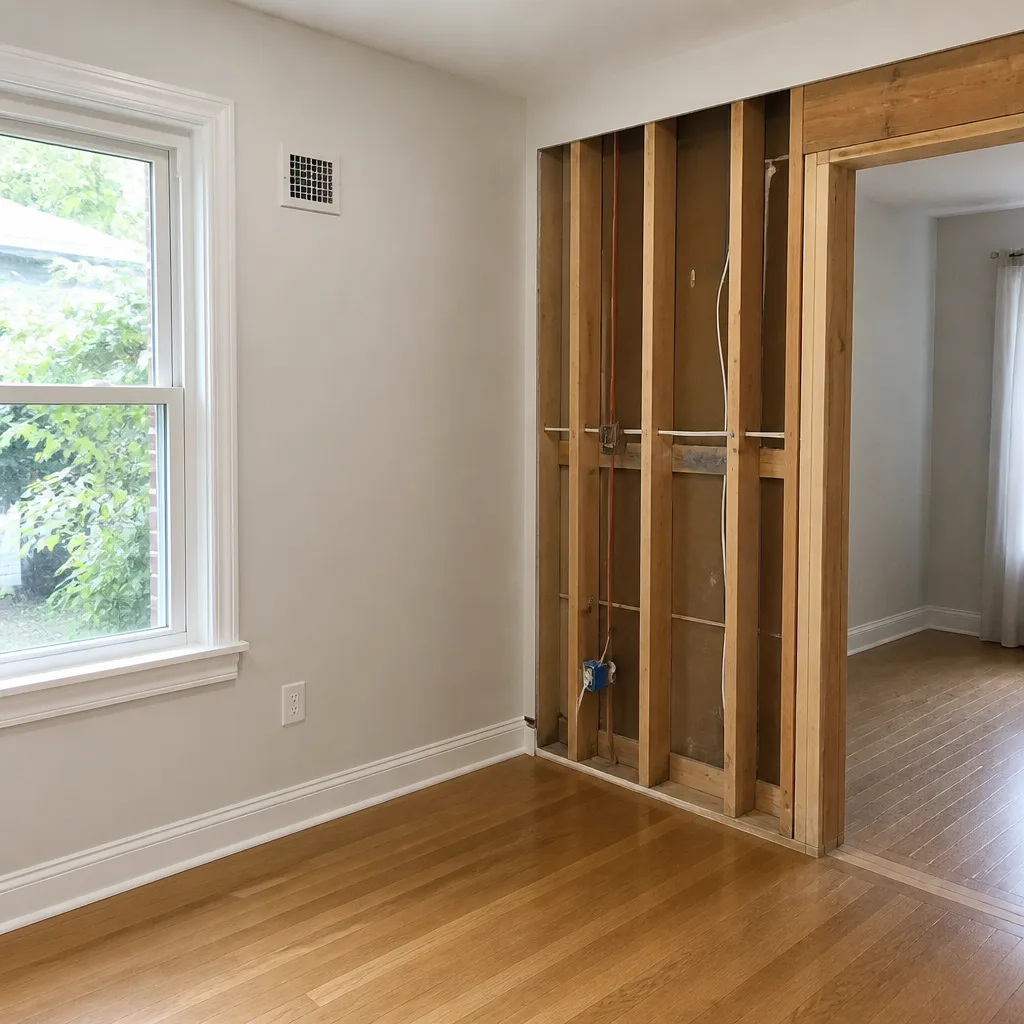
Flat and low-slope built-up roofing systems blister and crack under South Florida UV, and parapet wall flashing fails at seams. We trace the actual leak path with thermal imaging, because in CBS construction the water entry point and the visible ceiling stain are rarely aligned. Ceiling assembly drying often requires Injectidry hose injection or controlled demolition with air mover placement above and below the affected cavity.

What happens when you call
- 1
A real person answersNo phone trees - you reach a local pro.
- 2
You get an upfront price rangeHonest numbers before anyone is dispatched.
- 3
A background-checked tech heads outLicensed & insured, dispatched right away.
- 4
You approve before work beginsNothing starts until you say go.
Water Damage Restoration Costs in Miami Gardens, FL
Honest pricing for Miami Gardens’s market:
| Service | Typical Range |
|---|---|
| Emergency water extraction (up to 1,000 sq ft) | $450-$850 |
| Structural drying & dehumidification (3-5 day standard cycle) | $1,800-$3,400 |
| CBS home extended drying (6-10 day cycle, common in Miami Gardens) | $3,200-$5,600 |
| Category 2/3 flood cleanup with antimicrobial treatment | $2,400-$4,800 |
| Ceiling/roof leak damage with cavity drying | $1,600-$3,800 |
| Mold containment and remediation (per 100 sq ft) | $1,200-$2,400 |
What moves your price: water category (clean vs. contaminated), affected square footage including hidden wall cavities, whether the slab is wicking groundwater, and whether mold colonization has started before we arrive. Insurance typically covers sudden and accidental water damage; gradual leaks and maintenance-related failures may be excluded. We provide a free visual inspection that produces a written, line-item scope, and we offer a Free Second Opinion on any competitor’s written estimate. Call (786) 250-0820 for your exact quote.
We Also Serve Cities Near Miami Gardens
Our crews respond throughout the Miami Gardens area and into neighboring communities: Hialeah to the southwest, North Miami Beach to the southeast, Pembroke Pines to the west, and Hollywood to the north. Dispatch and scheduling are coordinated from our Miami (South FL) office, with technicians assigned by proximity to minimize response time.
Serving Miami Gardens, FL - Our Local Coverage Area
We’re based in the Miami Gardens area and know this community well. Use the map below to see our service coverage - if you’re nearby, we can almost certainly help.
Miami Gardens Water Damage Restoration Questions, Answered
Why does my Miami Gardens CBS home take longer to dry than my neighbor’s wood-frame house in Broward?
Concrete block walls absorb and retain moisture deep in the masonry cores, and slab-on-grade construction with no vapor barrier allows groundwater to wick up through the floor itself. A wood-frame home might dry in 3 days; your CBS home often needs 6-10 days of monitored structural drying with pin-meter verification before we confirm the block cores have reached IICRC dry standards, not just the surface. Call (786) 250-0820 and we’ll show you the moisture mapping that explains your specific timeline.
My flat roof in Carol City has been leaking slowly for months - does that change how you handle the water damage claim?
Yes. Slow leaks are typically classified as gradual damage, which most policies exclude from coverage, while sudden and accidental events like storm damage are covered. We document the actual failure point with photos and moisture readings to establish whether the visible damage resulted from a sudden event or long-term deterioration. Our written scope separates sudden from gradual damage so your adjuster can apply coverage correctly. Call (786) 250-0820 for a free inspection and documentation review.
How quickly do I need to call after a storm floods my slab-on-grade home in Miami Gardens?
Immediately. With ambient humidity above 75% year-round, mold colonization in Miami Gardens starts in 24-48 hours, not 72. Water also wicks laterally through concrete block faster than through wood frame, so the affected area expands hour by hour. Our 45-minute response commitment exists because the first 6 hours determine whether we’re drying a single room or half your house. Call (786) 250-0820 now; we answer live 24/7.
Does the C-9 Canal backpressure issue affect whether my water damage is Category 2 or 3?
Often, yes. When C-9 Canal backpressure or overwhelmed municipal drainage causes flooding, the water has contacted soil, debris, and potential sewage cross-connections before entering your home. Even if it looks like rainwater, we test and classify it. Groundwater intrusion in Miami Gardens is almost never Category 1. Treating it as clean water leads to incomplete sanitization and mold rebound within two weeks. We document water category determination with photos and test records for your adjuster. Call (786) 250-0820 for proper classification.
What does moisture mapping actually involve, and why does it matter for my Miami Gardens home?
Moisture mapping combines thermal imaging, pin-type meters that penetrate to the depth of the material, and non-penetrating surface meters to create a complete picture of water migration. In Miami Gardens’s CBS homes, it matters because water moves through block walls invisibly; a wet hallway wall often means the bedroom wall on the other side is also wet, but a surface meter won’t detect it. Without mapping, technicians set equipment for the visible damage and miss hidden moisture that causes mold callbacks. Our mapping is documented with photos and readings for your insurance file. Call (786) 250-0820 to schedule.
Will my insurance cover water damage restoration in Miami Gardens?
Most homeowner policies cover sudden and accidental water damage from burst pipes, storm intrusion, and appliance failures. They typically exclude gradual leaks, maintenance issues, and flooding from outside without separate flood coverage. We document the cause of loss from our first visit, provide line-item scopes in Xactimate format, and coordinate directly with your adjuster. Our photo records and drying logs are designed to answer the questions adjusters ask before they approve payment. Call (786) 250-0820 for a free inspection and insurance documentation review.
Can we stay in our home during water damage restoration?
Sometimes, depending on the extent of damage and whether Category 2 or 3 water requires containment. If mold colonization is present, we may recommend temporary relocation during remediation for health reasons. For contained Category 1 drying with equipment in isolated areas, many families remain in residence. We discuss this during our initial inspection and include any relocation recommendation in your written scope. Call (786) 250-0820 for a specific assessment of your situation.
What certifications do your Miami Gardens water damage restoration technicians hold?
Our technicians hold IICRC WRT (Water Damage Restoration Technician), FSRT (Fire & Smoke Restoration Technician), and AMRT (Applied Microbial Remediation Technician) credentials. All are background-checked, uniformed, and licensed, with license numbers provided on request. Equipment and procedures follow IICRC, RIA, and IFA standards, and all work is documented to those specifications for insurance approval. Call (786) 250-0820 to verify credentials for your specific crew.
Written by Alicia Brennan, Owner at DryMark Restoration Miami, serving Miami Gardens since 2011 under The Haven Standard.
Water Damage Restoration in Nearby Areas