
Free visual inspection and a written scope of work before any mitigation begins - photos, moisture readings, and drying logs go in your claim file
The scope we write is the scope we bill. Anything new gets shown to you, in writing, before we touch it.
24/7 Emergency Mold Remediation in Miami Beach
Mold remediation in Miami Beach typically costs $2,800-$7,500 for contained residential jobs and $8,000-$18,000 for whole-unit or structural remediation, with most inspections completed same-day. Call (786) 250-0820 now and a live person will answer, 24 hours a day, no voicemail trees. Our crews dispatch from our Miami (South FL) office and are usually on-site in Miami Beach within 45 minutes.
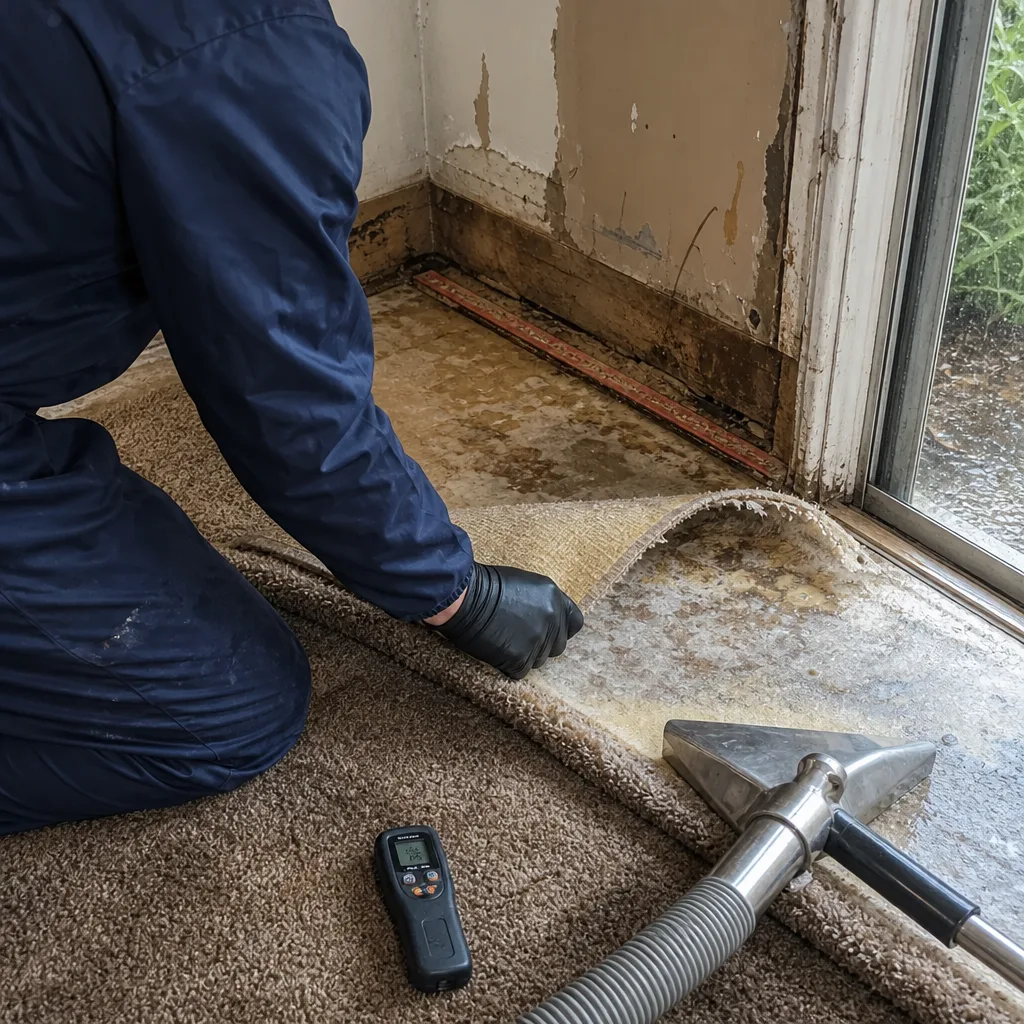
The first hour matters because Miami Beach’s climate compresses mold colonization into 24-48 hours after any moisture event. That timeline shrinks further in ground-floor units along Collins Avenue or bayside buildings on Indian Creek Drive, where king-tide flooding can leave wall cavities damp for weeks after surface water is gone. We provide a free visual inspection, document moisture readings with thermal imaging, and deliver a written price before any work begins - Haven Standard, Clause 1.
Understanding Mold Remediation Severity in Miami Beach Properties
Mold severity in Miami Beach is classified by affected square footage, material porosity, and whether the water source was clean (Category 1), gray (Category 2), or black (Category 3). Tidal floodwater in Miami Beach is almost always Category 3 - it carries salt, sediment, and microbial load from Biscayne Bay and the Atlantic - which means porous materials it touches must be removed, not dried in place. Our crews classify water category first, then build containment, negative air pressure, and HEPA-scrubbed work zones accordingly.
The South Beach historic district presents a secondary severity factor: unreinforced concrete block and aging cast-iron plumbing in 1920s-1940s Art Deco buildings create hidden moisture reservoirs that surface remediation misses. Mid-century towers along Collins Avenue add chloride-induced rebar corrosion and spalling from decades of salt-air exposure, which keeps concrete substrates damp and feeding mold even after visible growth is removed. We map moisture with thermal imaging and hygrometers, then document psychrometric data - temperature, relative humidity, and vapor pressure differential - to prove the drying target is met, not guessed.
Why Miami Beach Property Owners Choose DryMark Restoration Miami
- 45-minute response commitment to Miami Beach addresses, because mold spreads faster here than inland Florida markets.
- 24/7 live answer by a real person, never an automated system - emergency lines have no voicemail, no next-business-day callbacks while colonies expand.
- IICRC-certified crews holding WRT (Water Damage Restoration Technician), AMRT (Applied Microbial Remediation Technician), and FSRT (Fire & Smoke Restoration Technician) credentials where cross-training applies.
- Free visual inspection with moisture mapping and thermal imaging, delivered with no obligation.
- Direct insurance billing with photo-documented estimates and adjuster coordination - we produce the daily drying logs that turn restoration invoices into payable claims.
- One team from containment to reconstruction, so no handoff gaps where moisture gets missed.
Our Mold Remediation Process
1. Inspection & Assessment
We classify the water category, map moisture with thermal imaging, and identify hidden reservoirs behind elevator shafts and below-grade electrical rooms - the cavities that stay damp after king tides recede. A written scope and price are delivered before work begins, every time, Haven Standard, Clause 1.
2. Containment & Air Scrubbing
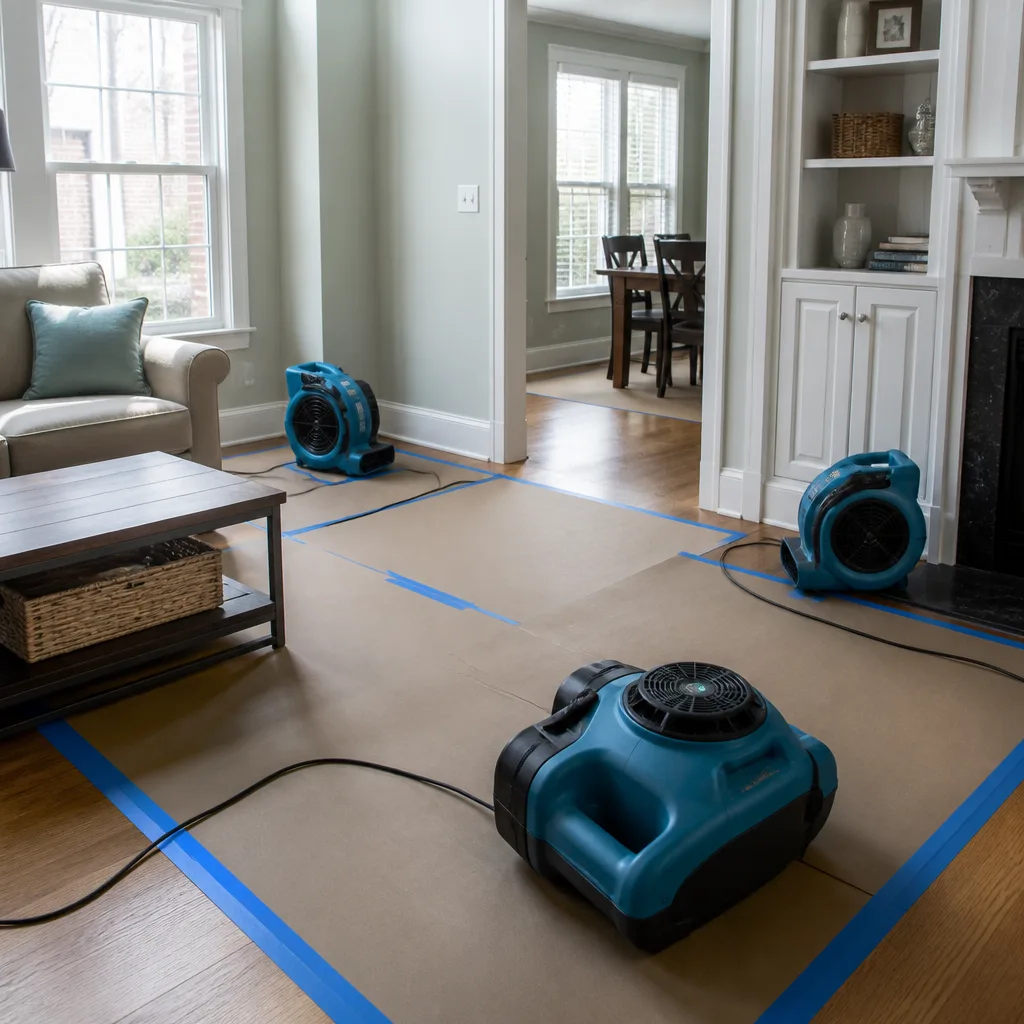
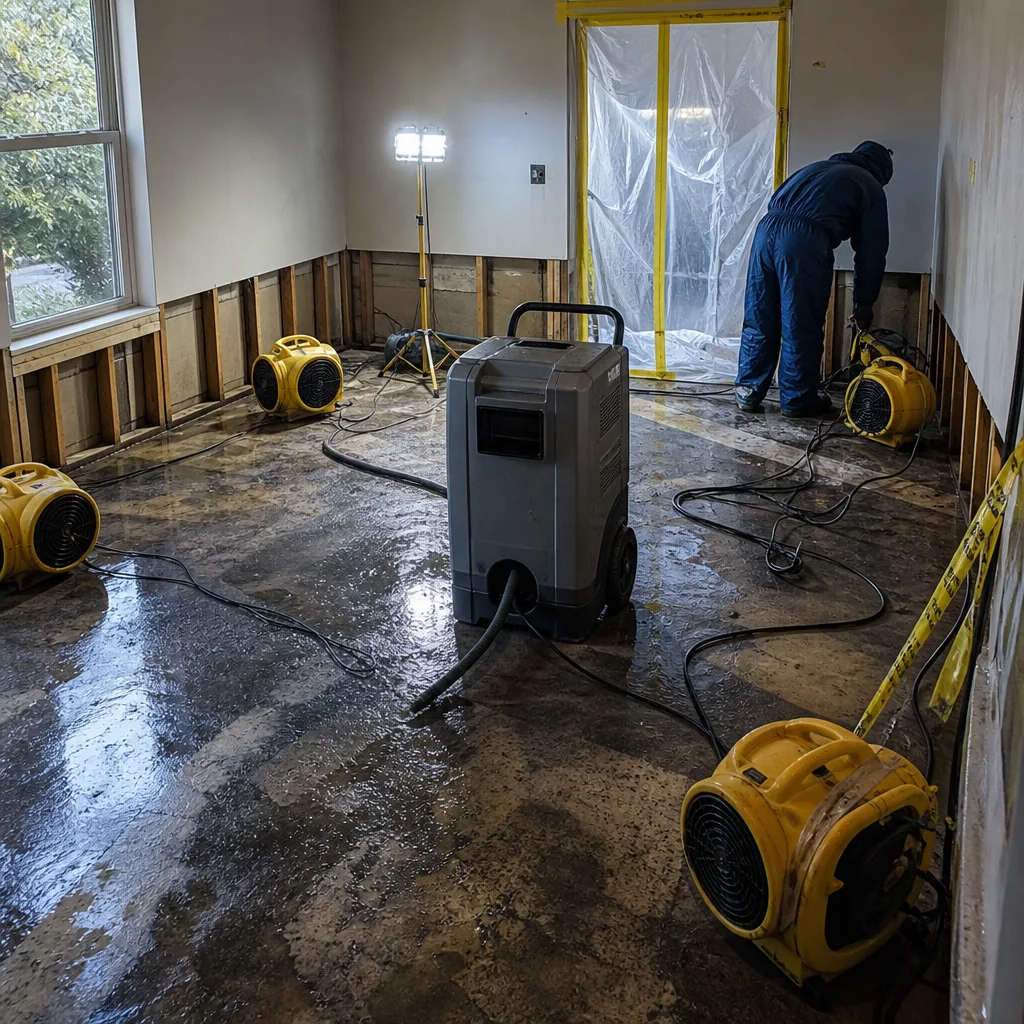
Polyethylene barriers create negative-pressure work zones. HEPA air scrubbers (Phoenix and Dri-Eaz units) capture airborne spores before they migrate to unaffected areas. We document containment setup with photos for your insurer.
3. Moisture Extraction & Cavity Drying
Standing water is extracted; Injectidry and B-Air systems dry wall cavities and concrete substrates that surface equipment cannot reach. Daily moisture logs track progress against drying goals.
4. Removal of Contaminated Materials
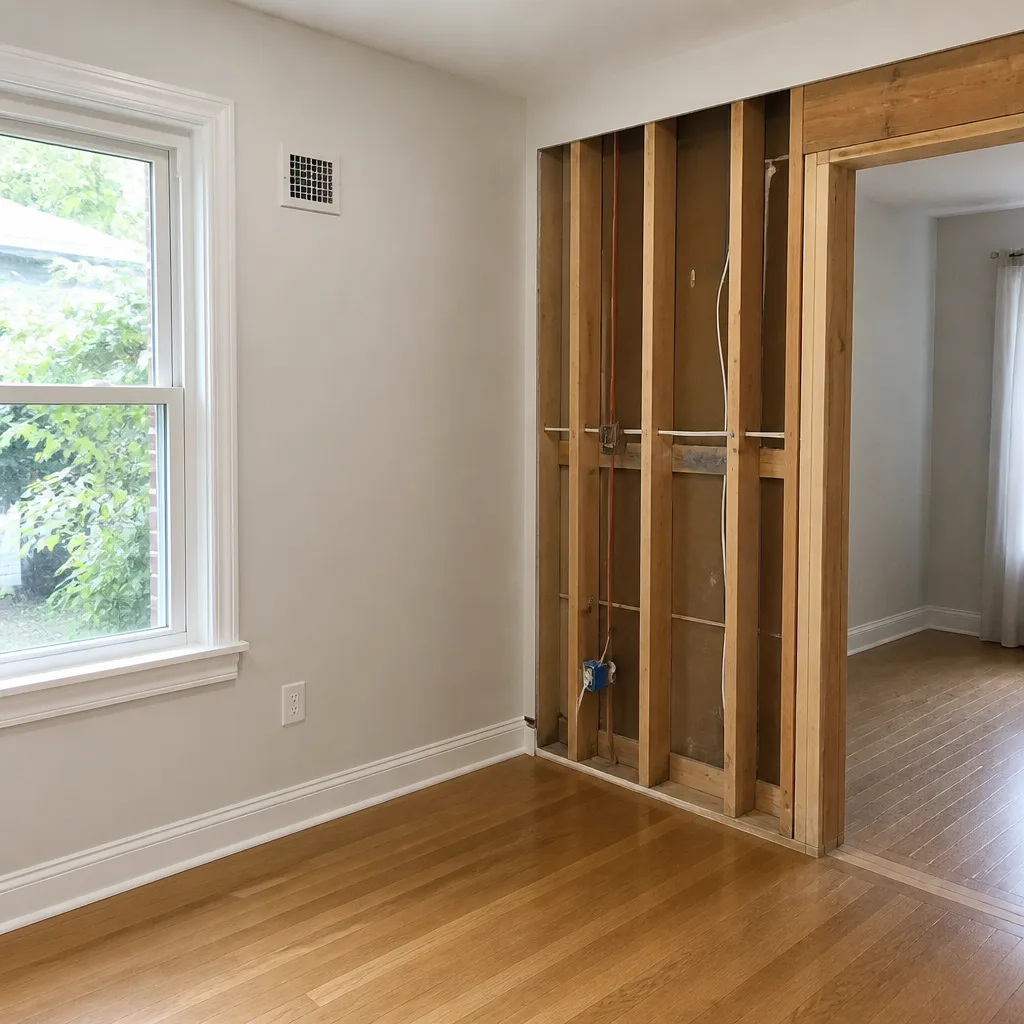
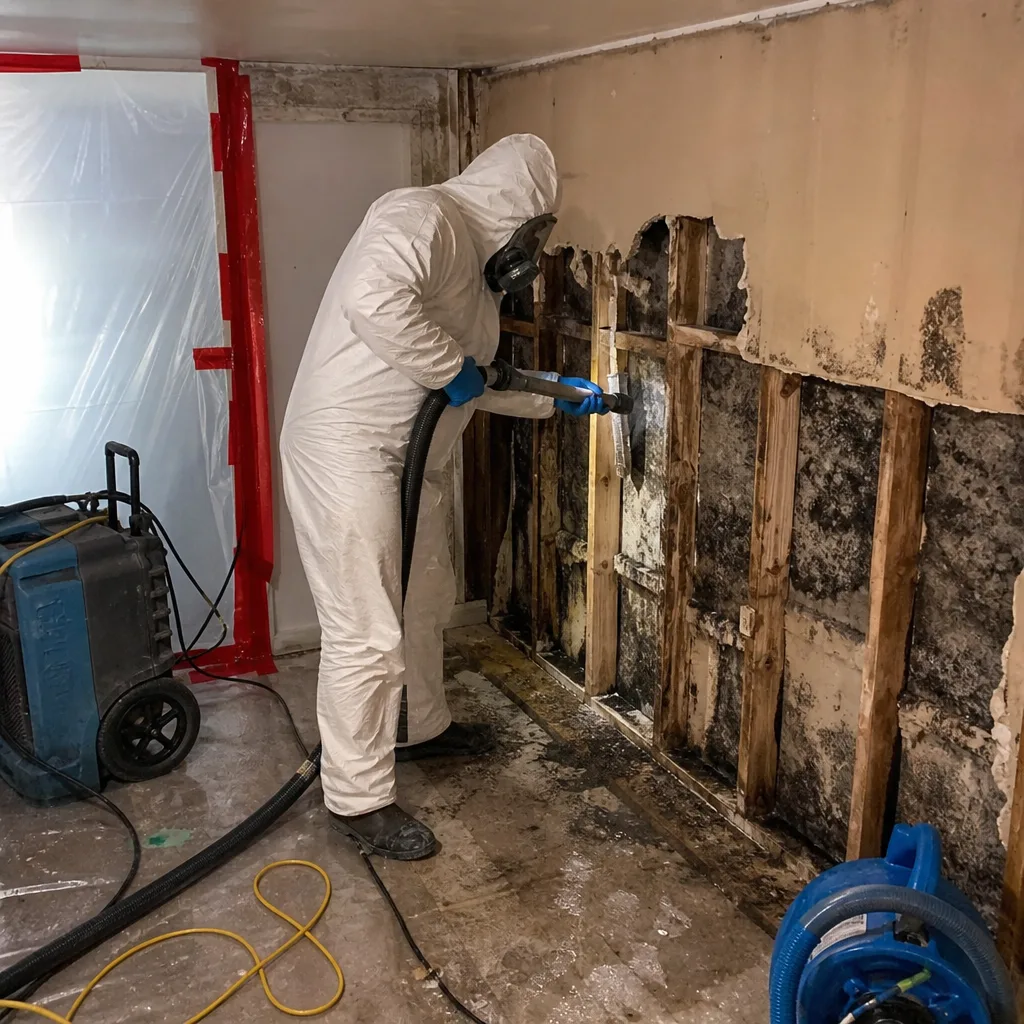
Category 3 water means drywall, insulation, and porous flooring that absorbed tidal floodwater are removed, not sanitized in place. We itemize every square foot for your adjuster.
5. Antimicrobial Treatment & Air Quality Restoration
EPA-registered antimicrobial agents treat remaining structural materials. Post-remediation air sampling verifies spore counts at or below outdoor baseline levels before clearance.
6. Repairs, Reconstruction & Documentation
Our crew rebuilds to pre-loss condition with materials approved by Miami Beach Historic Preservation Board where applicable. You receive a photo record of every visit, drying logs, and the 365-Day Done Right Promise signed under The Haven Standard.
Need Emergency Mold Remediation in Miami Beach Now?
Crews minutes away, answering live 24 hours a day. The sooner we start, the less it costs.
Working With Your Insurance Company
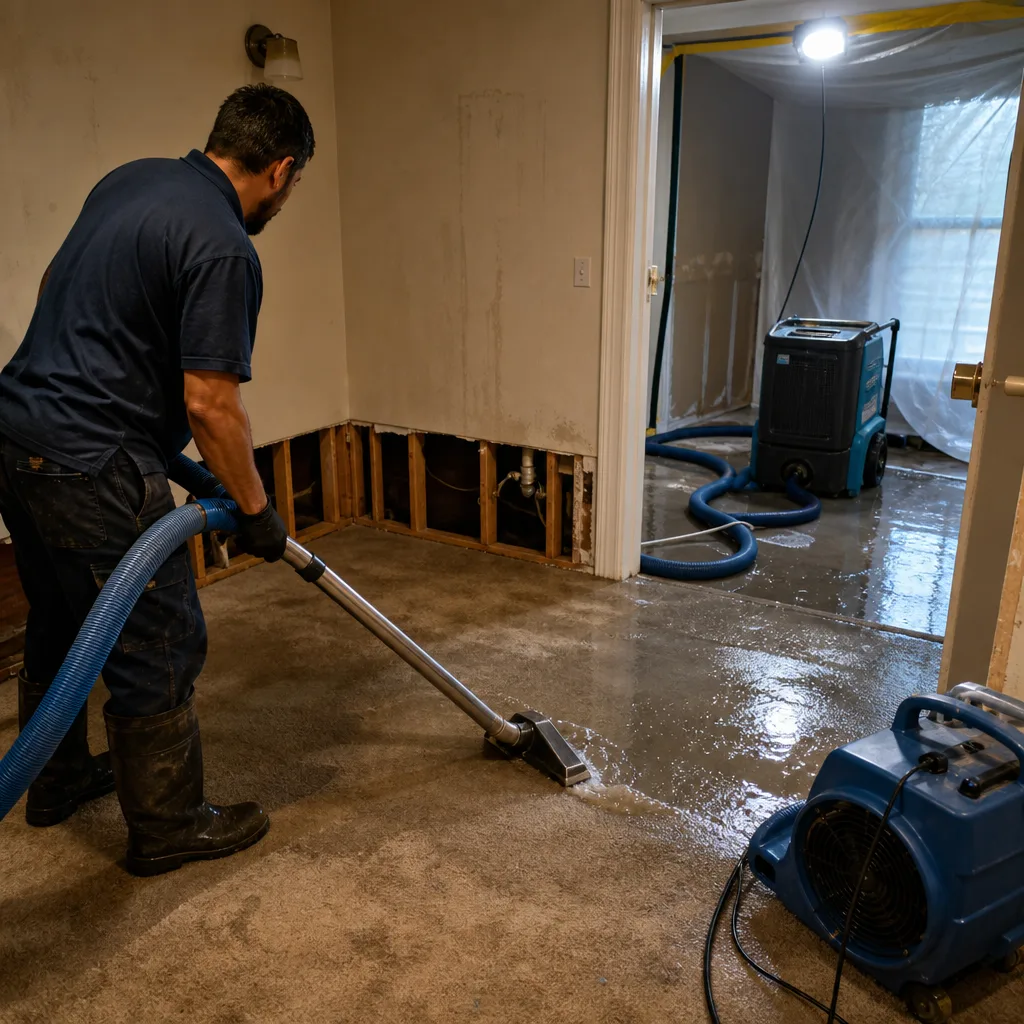
We built our documentation protocol around what adjusters actually need to pay a claim without dispute. From the first hour on-site, we photograph every room, record moisture readings with make, model, and calibration date of instruments, and produce daily drying logs that satisfy IICRC, RIA, and IFA standards. Our estimates use industry-standard pricing databases; we coordinate directly with your carrier’s adjuster, not through you as intermediary. If you’ve received a competitor’s written estimate, we provide a Free Second Opinion at no charge - Haven Standard, Clause 7.
What We Provide Your Insurer
- Thorough documentation of the loss
- Photos of all damage, room by room
- Moisture readings and drying logs
- A detailed, line-item scope of work
- Direct coordination with your carrier
Built for Miami Beach’s Loss Calendar
Miami Beach’s mold calendar runs on tides, not just hurricane season. October through May brings king-tide flooding - “sunny day” events that push Biscayne Bay water into ground-floor units, parking garages, and mechanical rooms with no storm warning. Property managers along Collins Avenue and Indian Creek often stage informal “flood kits” with blowers, but those tools rarely reach below-grade electrical rooms or elevator shaft cavities where moisture lingers for weeks.
June through September adds tropical rainfall and AC strain: near-100% humidity outside, 72-degree conditioned air inside, and condensation on cool concrete surfaces that haven’t dried since the last tide. The city’s pump infrastructure, while extensive, can backflow during compound events, pushing already-compromised stormwater into buildings a second time. Then hurricane season delivers the catastrophic surge that everyone expects - but by then, many structures have already hosted two or three colonization cycles from routine tidal intrusion.
Mold Remediation Across Miami Beach’s Neighborhoods
In South Beach’s historic district, from Ocean Drive west to Alton Road, 1920s-1940s Art Deco buildings with flat roofs and unreinforced concrete block require remediation plans that account for the Historic Preservation Board’s materials and documentation rules. We’ve seen projects stall for weeks when contractors submit scopes using unapproved replacement materials - weeks during which mold colonies continue expanding behind plaster. We factor Board approval timelines into every historic-district scope.
Mid-Beach and North Beach corridors along Collins Avenue present a different profile: mid-century modern towers with original structural concrete suffering chloride-induced rebar corrosion. Spalling concrete looks cosmetic but creates permanent moisture reservoirs. Our crews assess rebar exposure with cover meters before finalizing remediation scope; skipping this step means mold returns within months.
Bayside streets from West Avenue to Indian Creek Drive - including ground-floor and garage units in buildings with direct bay exposure - flood so regularly from king tides that experienced local contractors know to check elevator shafts and below-grade electrical rooms as standard practice. The surface water recedes in hours. The cavity moisture persists for weeks.
Flamingo Park and the Sunset Harbour area add their own variable: older residential stock with aging cast-iron plumbing that fails slowly enough to saturate wall cavities before anyone notices a drip. By the time discoloration appears on drywall, colonies are established behind the finish surface.
Specialized Mold Remediation Services We Offer in Miami Beach
Mold Inspection & Testing
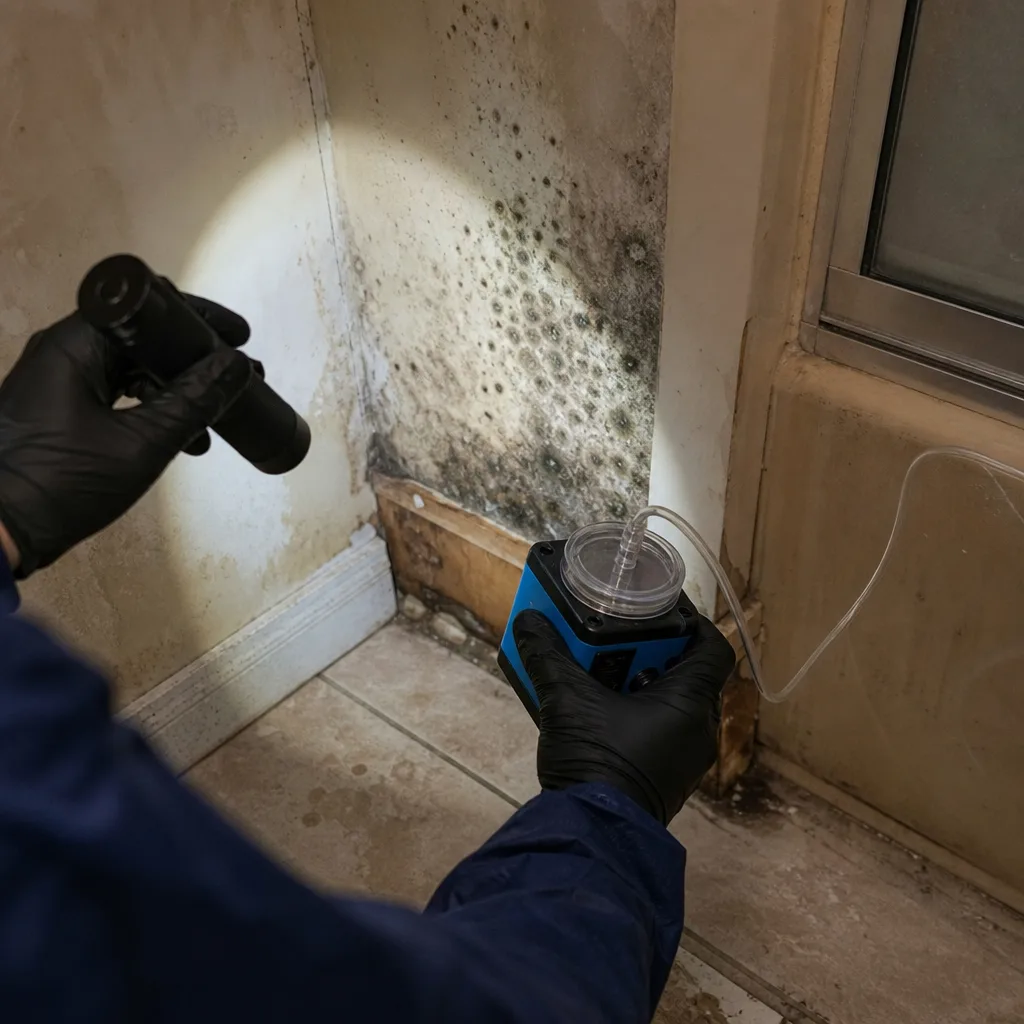
We start with moisture mapping and thermal imaging, then collect air and surface samples for third-party lab analysis. In Miami Beach, we always inspect behind elevator shafts and below-grade electrical rooms in king-tide-affected buildings - the secondary colonies that surface checks miss. A written inspection report with findings and recommended scope is delivered within 24 hours.
Mold Removal
Containment, negative air pressure, HEPA filtration, and controlled demolition of contaminated materials following IICRC S520 standards. For Miami Beach’s Category 3 tidal events, removal scope includes all porous materials the water touched, with photo documentation for insurance.
Black Mold Remediation
Stachybotrys and other toxigenic species require enhanced containment and PPE protocols. We identify the moisture source first - in Miami Beach, that’s often chloride-corroded concrete or king-tide cavity saturation - then remediate the mold without creating cross-contamination.
Air Quality Restoration
Post-remediation air sampling verifies spore counts at or below outdoor baseline. We use Phoenix HEPA air scrubbers during work and for final polish, documenting particle counts with calibrated meters. This service is critical in Miami Beach’s tightly sealed high-rise units where HVAC recirculation spreads contaminants floor to floor.
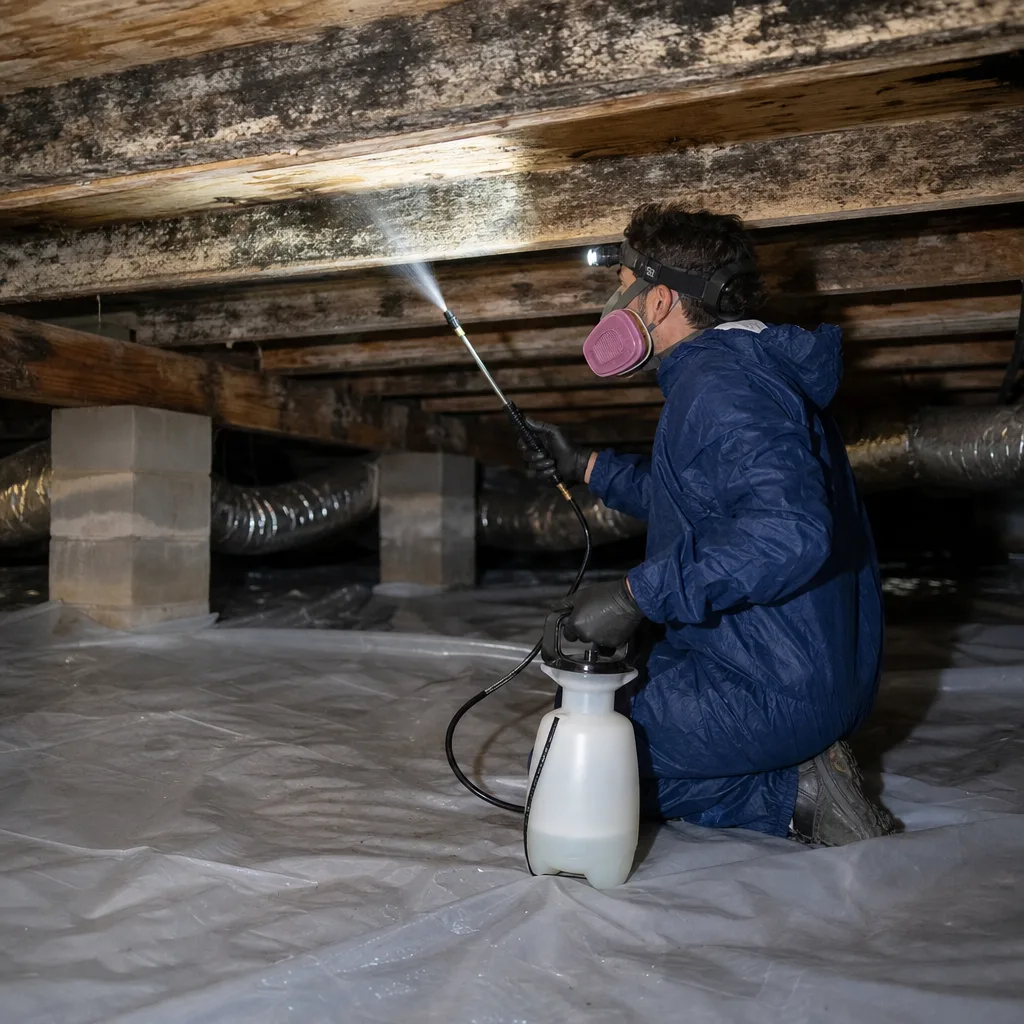
Crawl Space Treatment
Miami Beach’s limited crawl space inventory is concentrated in older single-family and small multifamily stock near Flamingo Park. We install vapor barriers, dehumidification, and sealed crawl space systems where grade-level moisture intrusion is chronic.
Moisture & Humidity Control
Long-term humidity management using Dri-Eaz and XPOWER dehumidification systems sized to Miami Beach’s specific vapor pressure loads. We specify equipment by pint-per-day capacity and document performance with 30-day moisture logs.

What happens when you call
- 1
A real person answersNo phone trees - you reach a local pro.
- 2
You get an upfront price rangeHonest numbers before anyone is dispatched.
- 3
A background-checked tech heads outLicensed & insured, dispatched right away.
- 4
You approve before work beginsNothing starts until you say go.
Mold Remediation Costs in Miami Beach, FL
A contained mold remediation in Miami Beach - one room or a defined area under 150 square feet - typically runs $2,800-$4,500. Whole-unit remediation in a ground-floor apartment or condo with king-tide damage behind walls ranges $6,500-$12,000. Structural remediation involving concrete substrate drying, rebar corrosion assessment, and Historic Preservation Board documentation in South Beach historic properties can reach $15,000-$25,000.
What moves the price: square footage of affected area, whether materials are salvageable or must be removed (Category 3 water means removal), accessibility of cavity moisture behind elevators and electrical rooms, and whether Historic Preservation Board approval extends the timeline. Most mold remediation in Miami Beach is insurance-covered when tied to a documented water loss; we provide the photo record and drying logs that support your claim. Call (786) 250-0820 for a free inspection and written scope - estimates are free, and the price we write is the price you pay, Haven Standard, Clause 1.
We Also Serve Cities Near Miami Beach
Our Mold Remediation in Miami Beach crews also respond to mold losses in Miami, Key Biscayne, Coral Gables, and Hialeah. Each market has distinct building stock and moisture drivers; we adjust our inspection protocol and equipment specification accordingly.
Serving Miami Beach, FL - Our Local Coverage Area
We’re based in the Miami Beach area and know this community well. Use the map below to see our service coverage - if you’re nearby, we can almost certainly help.
Miami Beach Mold Remediation Questions, Answered
How fast can mold grow after a king-tide flood in a Miami Beach ground-floor unit?
Mold can colonize wet drywall within 24-48 hours in Miami Beach ground-floor units, faster than most inland Florida markets due to near-100% ambient humidity and year-round AC operation that creates condensation on cool surfaces. King-tide flooding is often dismissed as minor because no storm passed, but the moisture load is identical. We recommend inspection within 24 hours of any tidal intrusion, especially along Collins Avenue and Indian Creek Drive where cavity moisture persists. Call (786) 250-0820 for same-day assessment - estimates are free.
Why do Miami Beach mold jobs sometimes need Historic Preservation Board approval?
Exterior and common-area work in the South Beach historic district falls under Miami Beach Historic Preservation Board oversight, which requires approved materials and documentation that can extend project timelines by weeks. Mold remediation plans that ignore this requirement stall while colonies keep growing. We factor Board approval into every historic-district scope and specify compliant materials from the initial written estimate. Call (786) 250-0820 to review your property’s requirements.
What makes mold remediation different in Miami Beach compared to mainland Miami?
Miami Beach’s barrier-island geography creates a near-continuous moisture cycle: king-tide flooding, Atlantic salt air, and chloride-induced concrete deterioration that mainland Miami does not experience at the same intensity. Restoration contractors here must check elevator shafts and below-grade electrical rooms as standard practice, because surface-dry buildings still harbor cavity moisture that feeds mold for weeks. Our Mold Remediation protocol was developed specifically for this environment. Call (786) 250-0820 to discuss your property’s risk profile.
Do you use drying logs and moisture readings to document Miami Beach mold remediation?
Yes - daily moisture logs with psychrometric data, thermal imaging capture, and calibrated hygrometer readings are standard on every job, not optional upsells. This documentation is what converts restoration invoices into payable insurance claims. You receive the complete photo record and drying log package at project closeout. Call (786) 250-0820 to request a sample documentation package.
How does salt air and chloride corrosion affect mold remediation in Miami Beach?
Decades of Atlantic salt-air exposure drives chloride ions into structural concrete, causing rebar corrosion and spalling that creates permanent moisture reservoirs. Spalling is often mistaken for cosmetic damage, but the damp substrate behind it keeps feeding mold after surface remediation is complete. We assess rebar cover and concrete integrity with specialized meters before finalizing scope, then specify substrate drying and repair as part of the remediation plan. Call (786) 250-0820 for inspection.
Will my insurance cover mold remediation in Miami Beach?
Most mold remediation tied to a documented water loss - king-tide flooding, plumbing failure, storm intrusion - is covered under standard homeowners and commercial policies, though coverage limits and deductibles vary. We provide the photo documentation, moisture readings, drying logs, and line-item scope that adjusters require to approve claims. We also coordinate directly with your carrier and offer direct billing. Call (786) 250-0820 and we can review your policy’s specific provisions.
How long does mold remediation take in Miami Beach?
Contained residential jobs typically require 3-5 days of active remediation plus 48-72 hours of clearance testing. Whole-unit or structural projects involving concrete substrate drying and Historic Preservation Board documentation in South Beach can extend to 2-3 weeks. Timeline is determined by moisture readings, not calendar estimates - we document daily progress and do not request clearance samples until drying goals are met. Call (786) 250-0820 for a timeline specific to your loss.
Can my family stay in the home during mold remediation?
For contained, single-area remediation with proper containment and negative air pressure, occupants often remain in unaffected portions of the residence. For whole-unit projects, toxigenic species, or when HVAC systems must be sealed, temporary relocation is recommended. We specify occupancy status in the written scope before work begins - no surprises, Haven Standard, Clause 1. Call (786) 250-0820 to discuss your situation.
We got a call from a bayside building on Indian Creek Drive after a king tide pushed water through the ground-floor electrical room; moisture mapping showed wet drywall and saturated baseboards. Using Dri-Eaz dehumidification and air movers, we set up containment, performed water extraction, and hit the affected cavities with antimicrobial treatment. The property manager’s “flood kit” had staged blowers, but the below-grade electrical room stayed damp for weeks until we added Injectidry to dry the wall cavities and checked behind the elevator shaft for secondary mold colonies.
Ready to protect your Miami Beach property? Call DryMark Restoration Miami at (786) 250-0820 for 24/7 live answer, free inspection, and a written price before any work begins.
Written by Alicia Brennan, Owner at Back to Dry Restoration, serving Miami Beach since 2011 under The Haven Standard.
Mold Remediation in Nearby Areas